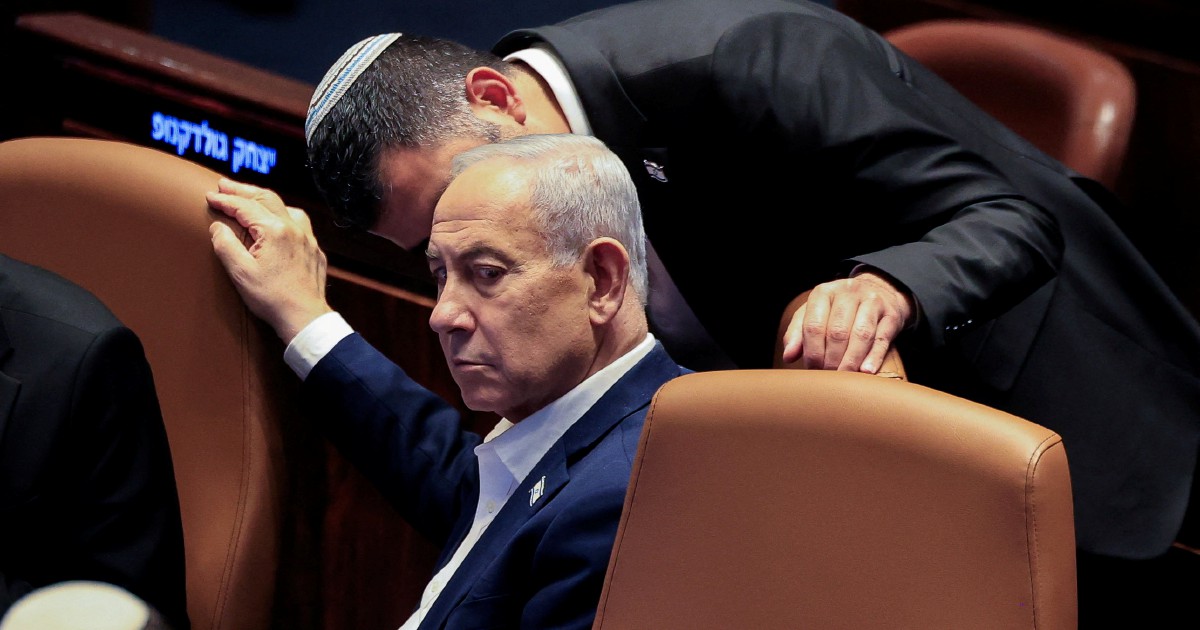
Benjamin Netanyahu's office has issued a sharp rebuke following controversial statements by New York Mayor Zohran Mamdani suggesting he might contemplate detaining the Israeli Prime Minister during the forthcoming United Nations General Assembly gathering in the city.
The Israeli leader's administration responded on Sunday with a pointed condemnation of the remarks, which touched on sensitive diplomatic and legal territory. Mamdani's comments, made in reference to Netanyahu's visit to New York for the UN summit, implied consideration of arrest proceedings against the Israeli head of government—a prospect that triggered immediate and forceful pushback from Tel Aviv.
The statement from Netanyahu's office underscores deepening tensions between Israel and certain political figures in the United States, particularly within municipalities with large and vocal Palestinian solidarity movements. New York City, with its diverse demographic composition and history of pro-Palestinian activism, has emerged as a focal point for such confrontations, with Mamdani's remarks reflecting broader political divisions within American society regarding the Israeli-Palestinian conflict.
Mamdani's suggestion that arrest might be considered appears rooted in arguments concerning international law and potential accountability mechanisms. However, the legal foundation for such action remains contested, as sitting heads of government typically enjoy immunity from arrest in their capacity as state representatives, particularly within the context of diplomatic visits sanctioned by the host nation's federal government. The United States, as the permanent host of the United Nations headquarters, maintains long-standing protocols protecting visiting dignitaries from prosecution.
The controversy highlights the increasingly complex position that Israel occupies within American political discourse. While official U.S. government policy has traditionally upheld strong support for Israeli security and sovereignty, municipal-level politics and civil society movements have increasingly articulated critiques of Israeli military operations and government policies. This divergence between federal and local political positions creates friction at diplomatic junctures such as UN summits.
For Malaysian observers and regional policymakers, these developments are instructive regarding the globalization of the Palestinian question and its intersection with municipal politics in Western democracies. Southeast Asian nations, which maintain diverse diplomatic relationships across the Middle East and have significant Palestinian diaspora communities, must navigate these international tensions carefully. The incident demonstrates how domestic political movements in Western capitals can generate diplomatic incidents with international repercussions.
The Netanyahu administration's sharp response signals its intention to resist what it perceives as delegitimizing rhetoric and potential legal harassment. The Israeli government has consistently framed such initiatives as forms of political persecution designed to undermine its international standing and constrain its leadership's freedom of movement. This perspective, while disputed by critics who emphasize accountability for alleged violations of international humanitarian law, shapes how Tel Aviv responds to such threats.
Mamdani's role as mayor of America's largest city amplifies the significance of his remarks beyond the symbolic realm. His position provides a platform that carries weight in international discourse, even though municipal executives cannot unilaterally override federal immunity protections granted to UN-recognized heads of state. Nevertheless, the statement reflects genuine sentiment within significant segments of New York's electorate and broader American society concerned about Palestinian welfare and skeptical of Israeli military conduct.
The timing of these remarks, emerging ahead of the UN General Assembly session, appears deliberate. The annual gathering provides a crucial venue for diplomatic engagement and public positioning. For Netanyahu, whose government faces international scrutiny over its policies and military operations, such declarations represent obstacles to routine diplomatic functioning. The controversy illustrates how global forums increasingly become contested spaces where domestic politics spill across borders.
Regional implications warrant consideration as well. Southeast Asian governments, many of which maintain cautious balancing acts between different international constituencies, observe how democratic nations grapple with accountability mechanisms and diplomatic privilege. These precedents, whether realized or merely threatened, carry lessons for how international law and state sovereignty interact within an increasingly polarized global landscape.
The incident also underscores evolving attitudes toward international law among certain constituencies within the West. Arguments about prosecutorial responsibility, humanitarian standards, and state accountability have gained traction within civil society and progressive political movements. However, the practical enforcement of such principles remains constrained by the architecture of international relations and the protections afforded to state representatives.
Moving forward, the Netanyahu administration will likely maintain heightened vigilance regarding security arrangements for the UN summit and potentially adjust diplomatic protocols to minimize exposure to such threats. Meanwhile, Mamdani's comments will likely continue circulating within international media and activist networks, reinforcing broader narratives about accountability and justice that resonate with constituencies worldwide, particularly in the Global South, where questions about double standards in international law enforcement remain contested and deeply felt.

