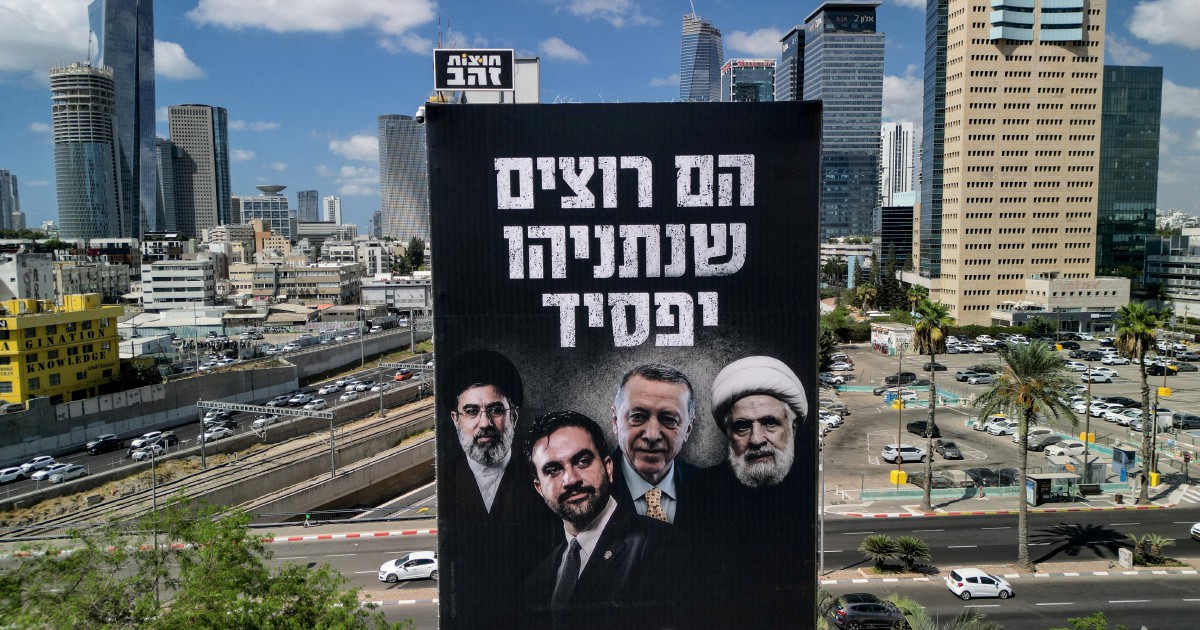
Benjamin Netanyahu's Likud party concluded internal voting on Monday to select candidates for the October 27 general election, with the right-wing bloc facing an unexpectedly competitive battle at the ballot box. The selection of candidates through party membership reflects growing uncertainty about the party's electoral prospects, a marked departure from the political dominance Likud has maintained across much of Netanyahu's decade-long tenure as Prime Minister.
The candidate selection process carries significant implications for Israeli politics, particularly given the weakened position Netanyahu now occupies within his own party and the broader political landscape. Internal party dynamics have shifted considerably, with various factions competing for prominent positions on the ballot. The stakes of these selections are unusually high, as they will shape the composition of the Likud contingent in the incoming parliament and potentially influence coalition negotiations that will determine the next government's ideological direction.
Israel's political scene has undergone substantial realignment since the last major elections. The emergence of competing right-wing and centrist alternatives has fractured what was once a more consolidated conservative vote, creating space for challengers to establish themselves as viable alternatives to Likud's establishment politics. This fragmentation has forced Netanyahu to recalibrate his electoral strategy and shore up support within his core party membership.
The significance of Likud's candidate selections extends beyond internal party mechanics. These individuals will serve as the public face of Netanyahu's political movement throughout the campaign, articulating party positions on critical issues including security policy, Palestinian affairs, settlement expansion, and judicial reform. The composition of the candidate list therefore signals which policy directions and which political figures within Likud will carry influence in a potential future government.
Nestanyahu's personal political trajectory has become increasingly precarious. Domestic challenges have accumulated, ranging from criticism over military strategy to questions about governance and accountability. The perception that the Prime Minister operates from a weakened negotiating position has emboldened internal party rivals and created openings for external challengers. This dynamic makes the selection of candidates who can effectively defend Likud's record and articulate its vision particularly crucial.
The broader Israeli electorate appears more volatile than in previous election cycles. Voter sentiment has become less predictable, with polling data suggesting significant numbers of swing voters who have not yet committed to any particular party. This fluidity creates both opportunities and vulnerabilities for Likud, as traditional supporters cannot be assumed to remain loyal without persuasive campaigning, whilst potential defectors to other parties represent lost vote share that must be recovered elsewhere.
Regionally, the outcome of Israel's October election will reverberate across the Middle East and influence diplomatic calculations throughout the wider region. Countries in Southeast Asia that maintain economic and political relationships with Israel will monitor the election results closely, particularly given the potential for shifts in foreign policy orientation depending on which faction gains ascendancy within the incoming government. The composition of the Likud candidate list offers early signals about what policy priorities the party intends to emphasise during its campaign.
The candidate selection process also reflects generational questions within Israeli conservatism. Likud must balance retaining experienced figures who represent party continuity with elevating younger politicians who can project forward momentum and appeal to voters seeking change. This tension has played out repeatedly during the selection process, with competing visions for the party's future influencing which candidates achieved prominent positioning on the ballot.
International observers have noted that Israeli political contests have become increasingly polarised and fractious in recent years. Likud's internal divisions mirror broader societal tensions, with candidates representing different positions on controversial issues such as judicial reform and religious influence on state governance. The final candidate list therefore embodies compromises and contested choices that illuminate deep fissures within the party.
The October election will ultimately test whether Netanyahu can reverse his political fortunes and maintain Likud's position as the dominant force in Israeli politics, or whether the party's weakened position signals a broader realignment in which power shifts to rival groupings. The candidates selected this week will bear significant responsibility for translating the party's campaign message and connecting with voters across Israel's diverse electoral landscape, making these selections far more consequential than routine administrative exercises.

