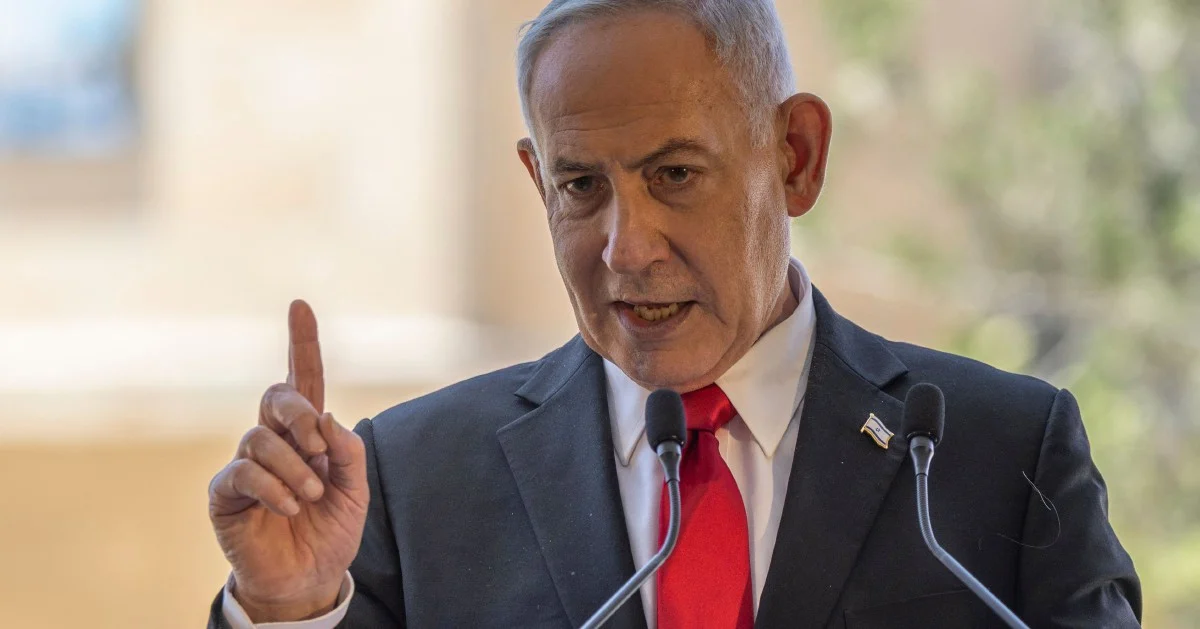
As Israel's parliament prepares to dissolve within days, Prime Minister Benjamin Netanyahu's administration is making a determined push to enact a slate of divisive bills that have drawn sharp condemnation from opposition parties. The legislative sprint, occurring just four months ahead of national elections, reflects the government's urgency to cement policy positions before losing its current parliamentary majority and facing the uncertainty of electoral results.
The timing of this legislative drive is not coincidental. Once the Knesset dissolves, the parliament will effectively pause most ordinary business until a new government is formed following elections. For Netanyahu's coalition, this window represents a final opportunity to advance an agenda that might prove difficult or impossible to implement under a different administration. The compressed timeline creates a high-stakes environment in which the government is deploying all available procedural tools to move bills through multiple parliamentary readings with minimal delay.
Opposition lawmakers have characterized the initiative as a concerning circumvention of democratic deliberation. They argue that rushing controversial measures through parliament without adequate debate undermines legislative scrutiny and public consultation. Critics contend that the government is exploiting its current parliamentary strength to impose policies that may lack broader public support, a charge that resonates with concerns about executive overreach during transition periods in other democracies as well.
For Malaysian observers, this dynamic offers instructive parallels regarding parliamentary procedure and coalition governance. The Israeli experience demonstrates how governments facing electoral uncertainty may accelerate legislative agendas, a pattern that extends beyond Israel's particular political context. In Westminster-influenced systems, the relationship between executive action and parliamentary oversight becomes especially fraught during periods when governments sense their majorities slipping away.
The specific bills under consideration have not been detailed in available reporting, but the scope of the government's ambitions appears substantial. This suggests that Netanyahu's coalition views the current moment as pivotal for establishing precedents and legislative frameworks that could shape Israeli policy for years regardless of who next holds office. The breadth of the initiative indicates strategic planning rather than merely routine legislative business.
The opposition's fierce resistance signals that these measures touch on fundamental issues rather than technical adjustments. In Israeli politics, such controversies often centre on security arrangements, judicial independence, settlement policy, or constitutional questions. Given the government's demonstrated willingness to move quickly despite opposition protests, the coming days will likely see intense parliamentary maneuvering, procedural challenges, and attempts by both sides to influence the legislative trajectory.
The four-month timeline to elections introduces additional complexity. Outgoing governments traditionally exercise restraint regarding major policy changes in the months preceding electoral campaigns, allowing incoming administrations flexibility. Netanyahu's government's apparent disregard for such conventions—if the reports accurately reflect its intentions—may signal confidence that voters will return it to power, or alternatively, a determination to leave lasting institutional changes that transcend electoral outcomes.
From a regional perspective, Israeli legislative activity during this period warrants monitoring. Major policy shifts, particularly those affecting security arrangements or relations with Palestinian areas, carry implications for broader Middle Eastern stability. Southeast Asian countries with diplomatic and economic interests in the region maintain careful attention to Israeli governmental decisions and political transitions.
The parliamentary dissolution itself represents a significant development. In systems where the executive can determine the timing of elections, such dissolutions frequently occur when governments judge the political environment favourable. That Netanyahu's coalition is moving to dissolve parliament suggests calculations about electoral timing and conditions, with the legislative push serving as a final opportunity to advance preferred policies before potentially facing a different political configuration.
The coming days will clarify whether the government successfully moves its legislative agenda forward or whether parliamentary procedures and opposition obstruction slow the process. The outcome will demonstrate whether current parliamentary rules adequately constrain executive power during transition periods, a question with relevance extending well beyond Israel's borders to other democracies grappling with similar tensions between executive prerogatives and legislative oversight.
Moreover, the international dimension cannot be overlooked. How other governments respond to Israeli legislation passed during this period may influence their diplomatic relations and policy positions. The rushed legislative approach carries potential consequences for Israel's standing in international forums and its bilateral relationships, considerations that typically factor into decisions about the timing and content of major policy initiatives.
Ultimately, Netanyahu's pre-election legislative drive represents a test of institutional resilience in managing the transition between governments. Whether parliament's procedural frameworks prove adequate to ensure adequate deliberation, and whether voters subsequently endorse or reject the government's actions, will shape both Israel's immediate political trajectory and broader questions about how democracies handle executive ambition during periods of electoral uncertainty.

