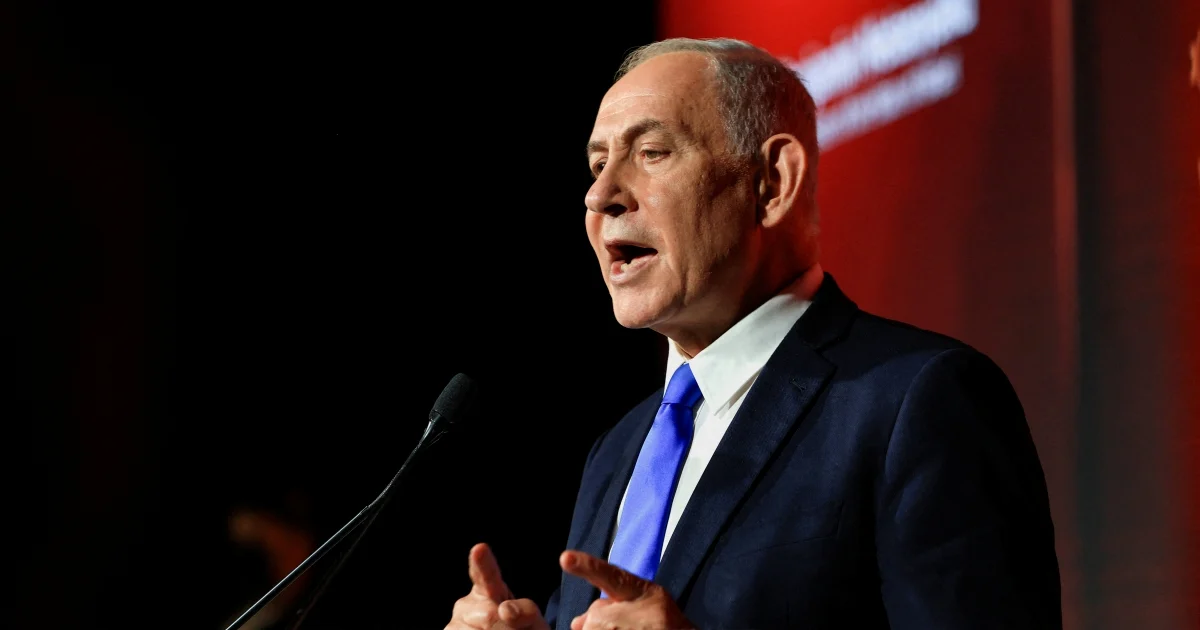
Prime Minister Benjamin Netanyahu reasserted Israel's commitment to an extended military footprint in southern Lebanon, signalling that withdrawal timelines remain fluid and dependent on conditions on the ground rather than any predetermined schedule. Speaking on Sunday, Netanyahu characterised the deployment as necessary to ensure Israeli security interests, a position that carries significant implications for regional stability and the broader Middle East security architecture at a time of heightened tensions.
The statement comes as Israel navigates a complex security landscape spanning multiple fronts. By emphasizing indefinite deployment rather than discussing exit strategies, Netanyahu appears to be consolidating Israeli military presence in the buffer zone that has long been a focal point of regional power dynamics. This approach reflects a security doctrine that prioritises protecting northern Israeli communities from potential threats originating from across the border.
For Malaysia and Southeast Asia, Netanyahu's pronouncement underscores the persistent volatility in the Middle East that continues to shape global geopolitics and economic stability. Regional conflicts in the Levant historically create ripple effects on shipping routes, energy prices, and diplomatic alignments that eventually impact Southeast Asian economies and strategic interests. The presence of extended military operations signals continued instability rather than movement towards resolution, potentially complicating regional economic growth and energy security for developing nations in the region.
Simultaneously, Netanyahu reiterated Israel's unwavering opposition to Iran's nuclear ambitions, restating a core tenet of Israeli foreign policy that has driven Middle Eastern politics for decades. This dual commitment—to military operations abroad and nuclear containment of a regional adversary—reveals how Israeli strategic thinking encompasses both immediate security threats and longer-term existential concerns. The nuclear dimension adds a layer of urgency and complexity to already fraught regional tensions.
The emphasis on preventing Iran's nuclear development reflects broader anxieties within Israeli leadership about the balance of power in the Middle East. Israeli policymakers view nuclear proliferation by Iran as a transformative threat that would fundamentally alter regional dynamics and potentially embolden adversaries throughout the area. This perspective has consistently driven Israeli military doctrine and diplomatic initiatives across multiple administrations.
The Lebanese dimension of Netanyahu's comments presents particular complications for regional peace efforts. Southern Lebanon has historically served as a contested space where various actors maintain influence, including Hezbollah, which Israel designates as a terrorist organization. Israeli military operations in this zone inevitably involve complex interactions with local populations, Lebanese governmental structures, and international observers monitoring compliance with existing agreements. The commitment to indefinite presence suggests Israeli leadership sees no near-term resolution to security concerns in this area.
From an international relations perspective, Netanyahu's statements also reflect the constraints and opportunities facing Israeli leadership at the moment. Maintaining military presence requires sustained domestic political support, military logistics, and international acceptance. The implicit rejection of artificial timelines suggests Israeli confidence in both domestic backing for extended operations and sufficient international tolerance for such deployments, though regional actors and the international community continue to debate the legality and sustainability of these positions.
The interconnection between the Lebanon deployment and Iran's nuclear programme within Netanyahu's rhetoric illustrates how Israeli security strategy operates across multiple registers simultaneously. Rather than compartmentalizing distinct security challenges, Israeli leadership increasingly frames them as part of an integrated threat environment requiring comprehensive responses. This holistic approach influences everything from military planning to diplomatic negotiations to domestic political messaging.
For Southeast Asian observers and policymakers, these developments carry implications for broader questions about regional security, the role of external powers in regional affairs, and the sustainability of military solutions to political conflicts. Malaysia and other ASEAN nations maintain varied relationships with Iran and Israel, making Middle Eastern developments relevant to their strategic calculations and foreign policy positioning. Extended military operations in any region create opportunities for miscalculation and escalation that can have unpredictable consequences.
The absence of exit criteria or timeline from Netanyahu's statement also suggests that Israeli strategic thinking prioritizes security objectives over diplomatic resolution in the near term. While military operations may achieve specific tactical goals, the lack of defined endpoints raises questions about how situations eventually transition from military management to political settlement. This pattern has characterized Israeli security policy in various contexts and reflects broader challenges in converting military advantages into lasting political solutions.
Looking forward, Netanyahu's pronouncements will likely shape international discussions about Middle Eastern stability, regional arms dynamics, and the prospects for diplomatic engagement. Other regional actors will interpret these statements as signals about Israeli intentions and commitments, potentially influencing their own strategic calculations and responses. The interconnected nature of Middle Eastern security challenges means that developments in Lebanon inevitably intersect with broader questions about Iran, Syria, and the overall regional balance of power that concerns governments throughout Asia and beyond.
%22%2F%3E%3C%2Fpattern%3E%3C%2Fdefs%3E%3Crect%20width%3D%22100%25%22%20height%3D%22100%25%22%20fill%3D%22url(%23ph5ljdug)%22%2F%3E%3Crect%20width%3D%22100%25%22%20height%3D%22100%25%22%20fill%3D%22url(%23ph5ljdup)%22%2F%3E%3Ctext%20x%3D%2250%25%22%20y%3D%2250%25%22%20text-anchor%3D%22middle%22%20dominant-baseline%3D%22central%22%20fill%3D%22rgba(255%2C255%2C255%2C0.95)%22%20font-family%3D%22Georgia%2C%20'Times%20New%20Roman'%2C%20serif%22%20font-weight%3D%22700%22%20font-size%3D%22151%22%20letter-spacing%3D%22-0.02em%22%3EMalaysian%3C%2Ftext%3E%3C%2Fsvg%3E)