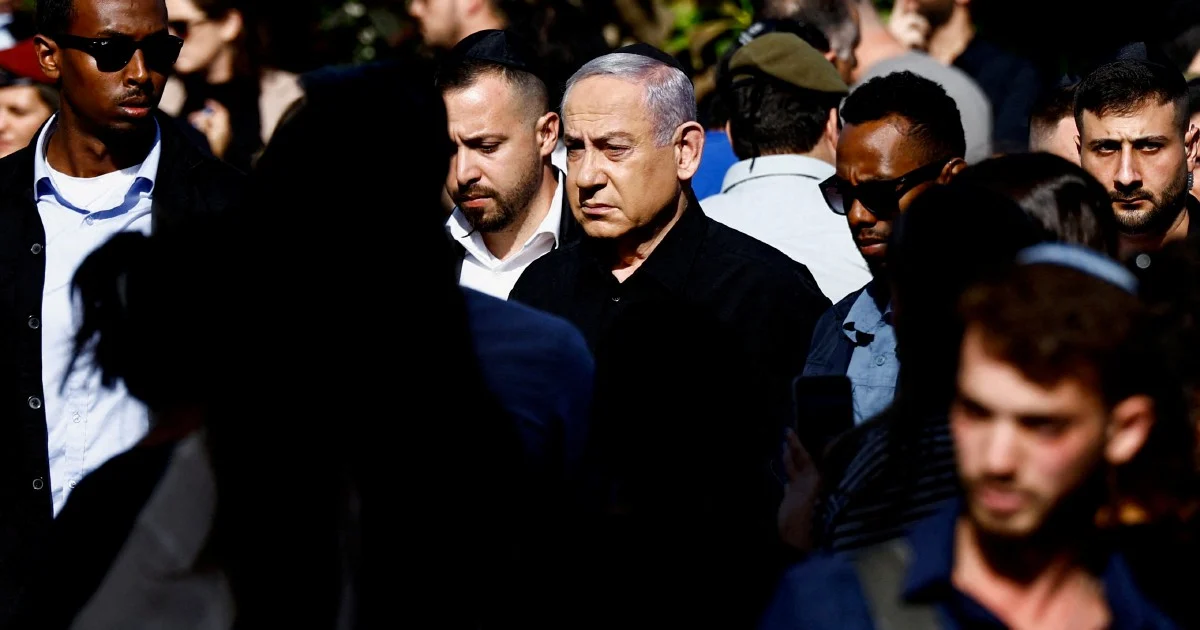
Israeli Prime Minister Benjamin Netanyahu has completed his testimony in his ongoing corruption trials, according to a spokeswoman from the country's justice ministry, bringing a significant milestone to legal proceedings that have shadowed his political tenure for years. The conclusion of his courtroom appearance comes at a particularly complex moment in Israel's foreign policy, as the nation navigates concerns about evolving diplomatic relations between Washington and Tehran that Israeli officials and commentators have characterised as potentially damaging to the country's regional interests and security architecture.
The timing of Netanyahu's testimony completion underscores the mounting pressures facing the Israeli leader on multiple fronts. Beyond the domestic legal challenges related to corruption allegations, Netanyahu is simultaneously managing concerns about international agreements he views as unfavourable to Israeli strategic objectives. This convergence of legal and geopolitical challenges reflects the intensity of Netanyahu's current political environment, where his ability to govern is being tested both in courtrooms and through his handling of sensitive national security matters.
The corruption trials have represented an unprecedented legal challenge for an Israeli prime minister. Netanyahu faces multiple indictments on charges including bribery, fraud, and breach of trust stemming from investigations that began years before his entry into court. The trials have extended across numerous sessions, with testimony from dozens of witnesses and the presentation of extensive documentary evidence. His own testimony, finally concluded, constituted a critical juncture in proceedings that legal analysts have described as potentially consequential for both Netanyahu's political future and Israeli constitutional precedent regarding the immunity or accountability of sitting leaders.
The judicial process has been complicated by Netanyahu's continued tenure as prime minister throughout the trials. Unlike many democracies where leaders facing serious criminal charges step aside, Netanyahu has insisted on remaining in office while defending himself in court. This arrangement has created ongoing tension between his duties as head of government and his legal obligations as a defendant, a dynamic that has concerned constitutional scholars and observers of Israeli democracy.
Meanwhile, Netanyahu's stated concerns about United States-Iran relations reflect longstanding Israeli unease about any diplomatic engagement between Washington and Tehran that does not result in what Israel considers adequately stringent restrictions on Iran's nuclear programme and regional military capabilities. Israeli officials have repeatedly expressed the view that softening of American positions toward Iran, or any deal structure that reduces pressure on the Islamic Republic, creates strategic vulnerabilities that Israel must address through its own deterrent posture and defence capabilities.
The region has experienced intensifying tensions over Iranian nuclear activities and military expansionism, with Israel viewing these as existential threats. Any perceived shift in American policy toward Iran is therefore watched closely in Jerusalem, where security analysts scrutinise the implications for Israel's ability to maintain military superiority and prevent what Israeli officials describe as dangerous Iranian regional hegemony. Netanyahu's government has made clear its preference for continued international pressure on Iran rather than negotiated settlements that it believes are inadequate.
For Malaysia and Southeast Asian nations, these developments carry indirect but meaningful implications. Regional stability depends significantly on great power equilibrium and the maintenance of functional international norms. Instability in the Middle East, whether arising from Israeli-Iranian tensions or from broader erosion of international agreements on weapons proliferation, can affect energy markets, shipping security through critical waterways, and broader geopolitical dynamics that influence regional security and economic prosperity.
The conclusion of Netanyahu's testimony is unlikely to bring swift resolution to the trials themselves. The judicial process typically requires additional proceedings including closing arguments from both prosecution and defence, followed by judicial deliberation. Observers expect months or potentially years before verdicts are rendered. This extended timeline means the legal cloud surrounding Netanyahu will persist through ongoing political cycles and policy decisions.
Netanyahu's political coalition, which has enabled his continued governance despite the trials, has demonstrated resilience through various challenges and reshuffles. However, the combination of legal vulnerabilities and policy disagreements with international partners, particularly over Iran strategy, creates a complex environment in which Netanyahu must exercise political authority while his credibility and freedom of action remain contested.
The conclusion of his testimony does, however, represent a procedural milestone that may shift dynamics slightly. With his direct examination completed, the focus now moves toward other witnesses and the accumulation of evidence that will ultimately form the basis for judicial judgment. For Netanyahu, this phase transition may offer some respite from the intensive demands of courtroom testimony, allowing greater focus on executive responsibilities, though legal matters will undoubtedly continue to occupy significant governmental bandwidth and attention.

