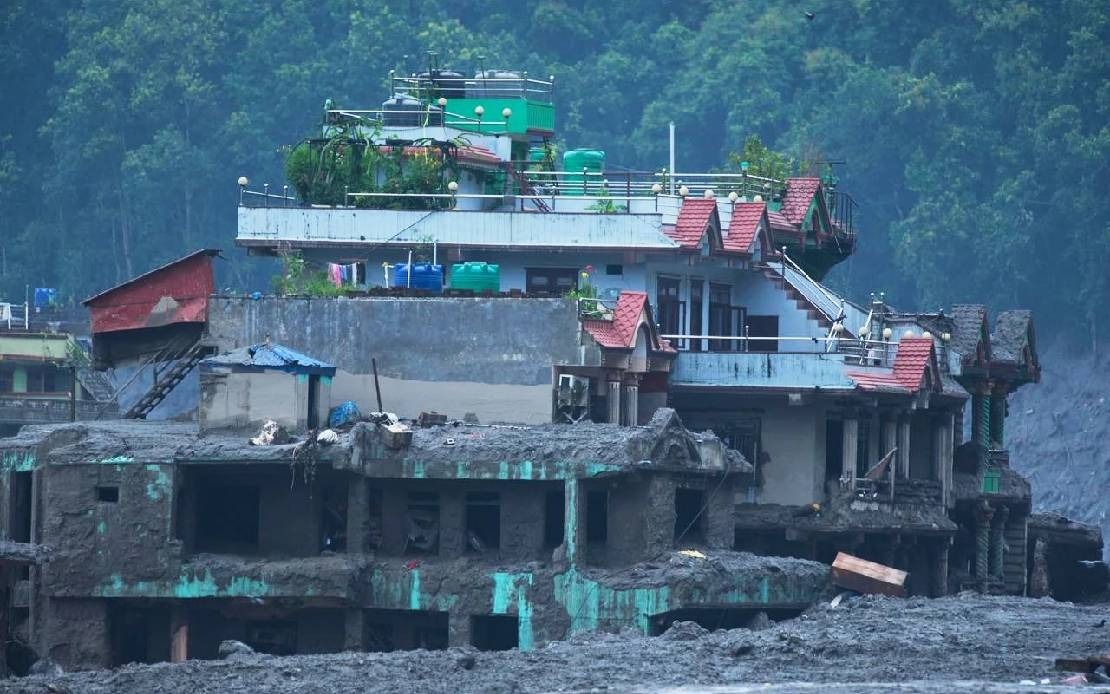
Nepal's worst natural disaster in years has forced the impoverished Himalayan nation to turn to the international community for emergency support as rescue and recovery operations face mounting obstacles. The country of 30 million people is requesting approximately US$4 billion to US$5 billion to rebuild infrastructure devastated by a massive flood triggered by a glacier collapse on Wednesday, according to Finance Minister Swarnim Wagle. The calamity, which also claimed seven lives across the border in China's Tibet region, underscores the vulnerability of mountain communities to climate-related hazards and the massive financial burden such disasters impose on developing economies already stretched thin by competing development needs.
The catastrophic event unfolded as a colossal torrent of rock, ice, mud and debris surged through mountain river systems, obliterating buildings, bridges and critical power infrastructure in its wake. At least 626 people have been confirmed dead in Nepal, though the true toll may be substantially higher given the scale of destruction and terrain challenges. Nearly 3,000 people remain unaccounted for—approximately 2,426 in Nepal and at least 554 in Tibet's Gyirong County—creating an ongoing humanitarian crisis that extends across international boundaries. The missing include at least 540 foreign nationals, predominantly Hindu pilgrims from India who were undertaking religious journeys when the disaster struck, drawing global attention to the tragedy.
Rescue operations encountered fresh setbacks over the weekend when persistent rain and dense fog forced authorities to temporarily suspend active search efforts. Narendra Pariyar, the senior district administrator for the severely impacted Rasuwa region, explained that deteriorating weather conditions made mountain rescue operations prohibitively dangerous. Authorities have instead redirected resources toward arranging ground transportation to evacuate those already rescued to the capital city, Kathmandu, where survivors can receive medical treatment and assistance with family reunification. The logistical pivot reflects the practical realities of disaster response in remote mountain zones where infrastructure damage compounds rescue complexity.
Beyond immediate life-saving operations, Nepal faces a monumental challenge in managing the deceased and addressing public health hazards. Bodies recovered three days after the initial deluge have suffered significant decomposition, presenting identification difficulties and raising concerns among health officials about potential disease outbreaks. Authorities have announced plans to conduct DNA sampling and conduct burials in designated open spaces once legal procedures are completed, prioritizing epidemic prevention over traditional identification timelines. At Maharajgunj Medical Campus in Kathmandu, families have gathered to search for missing relatives, reviewing photographs of recovered bodies displayed on gates and walls. Of 49 bodies transported to the facility, officials have successfully identified only seven, illustrating the scale of identification challenges ahead.
Natural barriers created by the disaster itself have complicated recovery efforts further. A substantial lake formed along the Nepal-China border as debris dammed river channels upstream of the flood zone. On Friday, authorities temporarily halted rescue operations when this reservoir threatened to breach its natural boundaries and overflow into Nepal's Lhende Khola and Trishuli rivers, potentially triggering secondary flooding disasters. Chinese satellite imagery and state media reports suggest the water has been slowly seeping through the debris blockage, gradually reducing the water volume. However, officials have warned that flood risks will persist until both known upstream reservoirs completely drain, necessitating continued vigilance and coordinated monitoring across the international border.
Recognizing Nepal's limitations in addressing specialized technical requirements, Foreign Minister Shisir Khanal has articulated a focused request for international assistance. Rather than broad rescue support, Nepal specifically requires help extracting people trapped in collapsed tunnels, restoring severed transportation and communication networks where bridges have been destroyed, conducting forensic body identification, performing DNA analysis for unidentified remains, and establishing facilities for extended body storage. These targeted requests reflect honest self-assessment about where Nepal's existing institutional capacity falls short. The nation has already submitted formal appeals to international partners and specialized organizations capable of addressing these technical demands with equipment and expertise unavailable domestically.
India has responded to Nepal's plea with substantial material and human resources. New Delhi has already dispatched three aircraft delivering approximately 60 tonnes of relief supplies, including blankets, medicines, food staples and water purification tablets essential for preventing waterborne disease outbreaks in affected communities. Beyond immediate humanitarian aid, India has pledged to send a specialized tunnel rescue team equipped for extracting people from collapsed underground structures and a medical contingent to address health emergencies and disease prevention. The Indian disaster response force stands ready for deployment, while prefabricated bridge systems and technical teams capable of rapidly restoring connectivity across destroyed river crossings have been offered. These commitments position India as Nepal's primary bilateral partner in the immediate recovery phase.
China has issued general statements calling for emergency international assistance and cooperative rescue efforts but has not yet publicly detailed specific aid commitments. Beijing is simultaneously managing its own rescue operations in Tibet, where authorities are racing to locate more than 500 missing persons in the disaster zone. The cross-border nature of the disaster has created unique coordination challenges, requiring communication between Nepali and Chinese officials to prevent duplication of efforts and ensure comprehensive coverage of affected populations. The absence of detailed Chinese aid announcements may reflect ongoing internal assessments of damage within Tibetan regions and resource allocation decisions regarding competing reconstruction priorities.
Nepal's estimated reconstruction bill of US$4 billion to US$5 billion represents an enormous sum relative to the nation's gross domestic product and annual government revenues. Finance Minister Wagle cautiously noted that this figure constitutes preliminary assessment only, with comprehensive damage surveys still ongoing. The final reconstruction cost could exceed initial estimates substantially once assessments reach remote mountain communities where communication infrastructure has been destroyed and access remains difficult. This financial burden will likely require sustained international support through development loans, grants and technical cooperation over years rather than months, stretching Nepal's fiscal capacity and forcing difficult prioritization choices among competing needs.
The glacier-triggered flood carries profound implications for climate vulnerability across the Himalayan region and Southeast Asia. Warming temperatures and accelerating glacier retreat have increased the frequency of catastrophic outburst events, suggesting that similar disasters may recur with troubling regularity. The tragedy illuminates how climate change transforms physical hazards into humanitarian crises, particularly affecting impoverished nations with limited adaptive capacity and inadequate disaster management infrastructure. For Malaysia and other Southeast Asian economies, Nepal's experience underscores the importance of investing in early warning systems, disaster preparedness protocols and cross-border coordination mechanisms to mitigate impacts from climate-related natural hazards affecting mountainous terrain and river systems shared across international boundaries.

