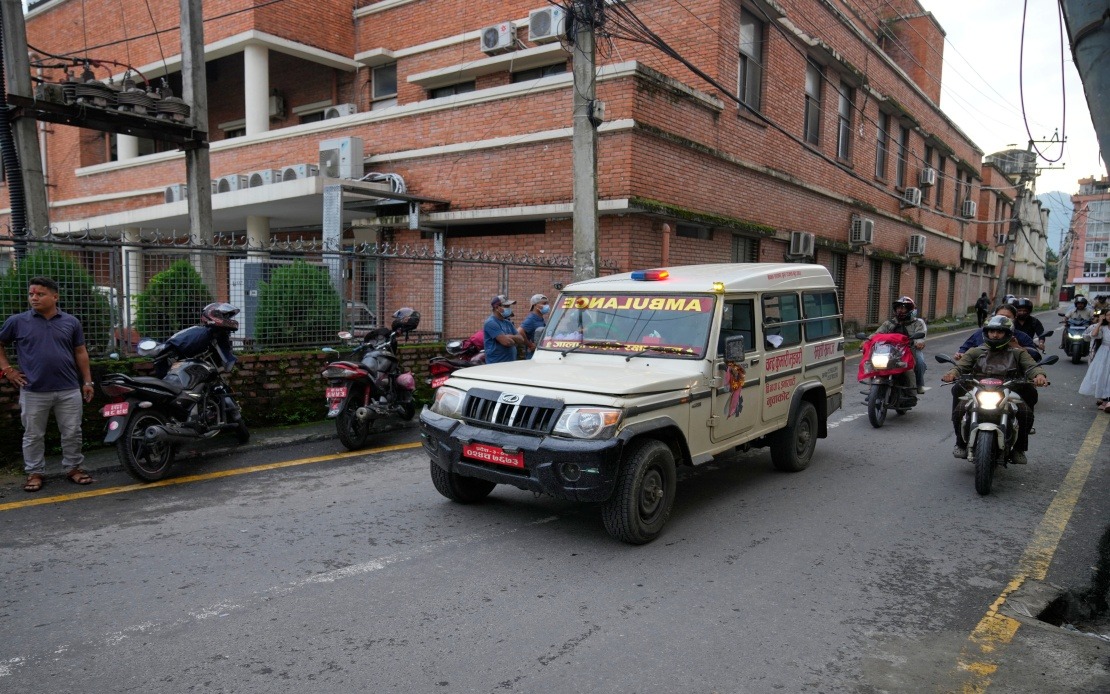
Nepalese authorities have successfully extracted 121 foreign nationals from the disaster zone following devastating floods triggered by the collapse of a Himalayan glacier, marking a significant achievement in rescue operations that have struggled against difficult terrain and overwhelming scale. The evacuations, which were largely completed by late Friday evening local time, represent coordinated efforts by multiple agencies working across the flooded regions of the Bhote Koshi and Trishuli river valleys. However, the rescue breakthrough is shadowed by the reality that hundreds of people remain unaccounted for, and the confirmed death toll has now reached approximately 550 individuals across both Nepal and China.
The composition of rescued foreigners reveals the international scope of the disaster and its impact on tourism and cross-border activities throughout the Himalayan region. Among those brought to safety were 85 Indians, 16 Chinese nationals, nine South Koreans, and smaller contingents from the United States, Russia, and Italy, alongside individual evacuees holding passports from Belgium, Bulgaria, Portugal, Spain, and Switzerland. This diversity underscores how the disaster has rippled across multiple nations and disrupted numerous travel, pilgrimage, and work-related activities that depend on stable conditions in Nepal and the Tibet Autonomous Region of China.
The incident originated from the sudden failure of a glacial mass high in the Himalayas, which unleashed torrents of water and debris down river valleys that channel meltwater from the range toward populated lowlands. The Bhote Koshi and Trishuli rivers, which normally serve important functions for hydroelectric generation and irrigation, became uncontrollable conduits of destruction. The timing of this catastrophic event highlights growing concerns about glacial stability in the face of climate change, a phenomenon that presents long-term risks to the millions of people throughout South and Southeast Asia who depend on Himalayan water sources.
Nepalese administrative capacity has been severely tested by the scale of the humanitarian crisis. Hospital facilities in major centres such as Chitwan and Pokhara have become overwhelmed, leaving authorities struggling with the grim task of identifying deceased victims and securing appropriate storage facilities for recovered bodies. These logistical failures underscore how sudden mega-disasters can rapidly exhaust even the most basic infrastructure in developing nations, creating secondary humanitarian concerns that compound the initial tragedy.
Indian nationals represent a substantial portion of those affected, reflecting both tourism patterns and the significant Indian workforce engaged in regional hydroelectric projects. The Indian Ministry of External Affairs reported that approximately 320 Indians have been reported missing, though this figure carries some ambiguity because it encompasses Indian passport holders as well as individuals of Indian origin carrying passports from other nations. Among confirmed casualties and evacuations, 63 Indian workers employed on the Trishuli hydropower project were verified as safe, while 21 rescued Indians have already been transported back across the border. An additional 100 individuals described as holding Indian origin but foreign passports were unaccounted for, with suggestions that many may have been engaged in religious pilgrimages to Kailash Mansarovar in the Xizang region of China at the time of the disaster.
China's involvement in the emergency response reflects the transnational nature of the crisis, as the disaster affected both sides of the Nepal-China border and impacted nationals of the People's Republic. Approximately 400 Indian nationals in Chinese territory were reported safe, indicating that some individuals managed to remain out of harm's way or reach secure zones successfully. The cross-border implications of the disaster have necessitated coordination between Kathmandu and Beijing on rescue operations, body recovery, and identification procedures.
Regional solidarity has emerged as neighbouring countries mobilize assistance to support Nepal's overwhelmed emergency services. India has demonstrated rapid response capacity by dispatching two humanitarian aid consignments totalling 47.5 tonnes, with additional airlifts planned to continue the flow of relief materials into the country. Pakistan's Prime Minister Shehbaz Sharif telephoned his Nepalese counterpart Balendra Shah to express solidarity and announce that Islamabad would also be sending emergency relief supplies, demonstrating how such transnational tragedies can temporarily transcend South Asian geopolitical tensions.
Nepal's political leadership has initiated institutional responses to the crisis. Prime Minister Shah convened an emergency Cabinet meeting on Friday to assess the aftermath and coordinate the governmental response. A noteworthy gesture of solidarity saw Shah and his ministerial colleagues pledge one month's salary to the Prime Minister's Natural Disaster Relief Fund, a measure designed to signal governmental commitment to reconstruction efforts and mobilize additional resources for affected communities.
Searching for survivors and recovering deceased persons remains an ongoing challenge as rescue teams systematically work through downstream areas where flash floods deposited debris and victims. The combination of difficult mountainous terrain, ongoing weather conditions, and the sheer scale of displacement has transformed what began as a rescue operation into a protracted recovery mission. For Malaysia and other Southeast Asian nations, the disaster serves as a sobering reminder of the region's vulnerability to climate-related hazards, particularly those originating in the Himalayan system that supplies crucial water resources and supports millions of livelihoods across the broader Asian continent.

