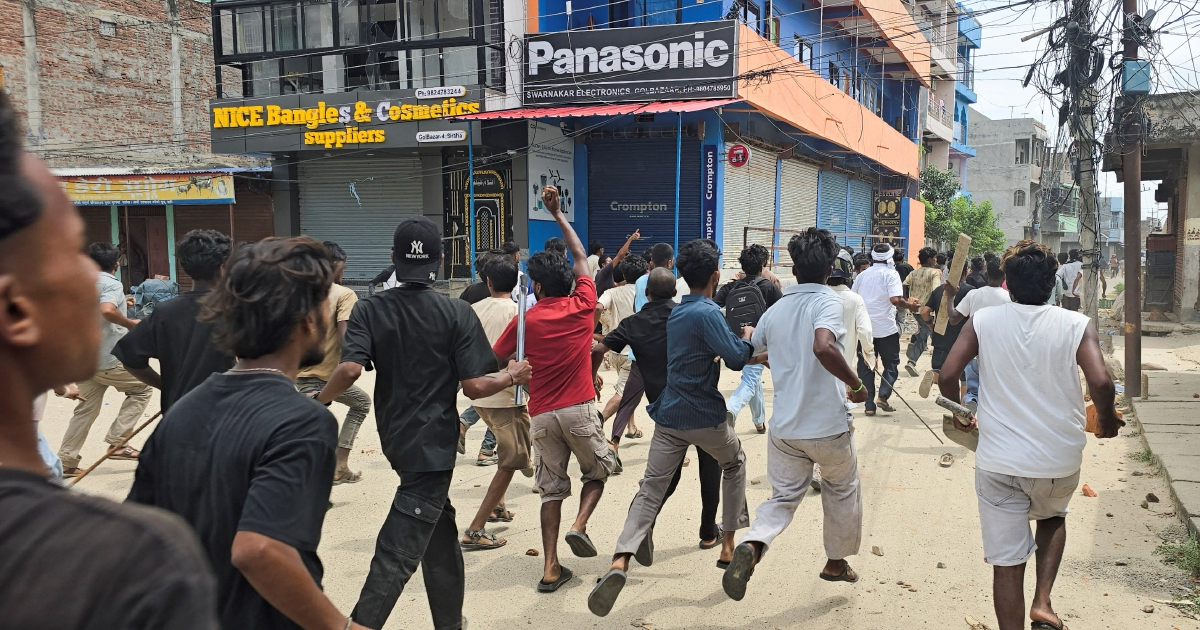
Nepal's Prime Minister Balendra Shah moved swiftly on Thursday to appeal for restraint and peaceful resolution following a breakdown in communal harmony that erupted into violence across the country's southern territories. The clashes, which involved confrontations between members of Hindu and Muslim communities, have already claimed the lives of three people, raising fresh concerns about the potential for religious tensions to spiral into wider unrest across the South Asian nation.
The timing of the Prime Minister's intervention underscores the urgency with which Nepal's leadership is attempting to prevent further escalation. Religious tensions in South Asian countries, including Nepal, have the capacity to metastasize quickly if left unaddressed, drawing in broader segments of the population and threatening national stability. Shah's immediate call for composure signals an attempt to arrest momentum before additional violence can take root in communities already inflamed by the initial incidents.
Nepal, officially the Federal Democratic Republic of Nepal, has made considerable strides in recent years toward strengthening its democratic institutions and fostering social cohesion following decades of civil conflict. However, the country remains vulnerable to communal fractures, particularly in regions where different religious and ethnic communities maintain significant populations. The southern plains, known locally as the Terai region, have historically been flash points for such tensions given their demographic diversity and economic complexities.
The deaths represent a stark reminder of how rapidly incidents can turn fatal when collective anger combines with easy access to weapons and weak law enforcement capacity in dispersed rural areas. Each fatality carries the potential to deepen grievances among families, clans, and broader community networks, creating cycles of retribution that security forces find increasingly difficult to contain. This pattern has played out repeatedly across South Asia, where communal violence has sometimes metastasized into prolonged civil unrest.
For Malaysia and Southeast Asian observers, Nepal's current predicament offers instructive parallels and contrasts. Like Malaysia, Nepal is a religiously and ethnically diverse nation attempting to forge unity amid difference. Yet Nepal lacks Malaysia's institutional mechanisms for managing communal relations, such as the constitutional guarantees embedded in Article 153 and the nuanced constitutional settlement that has generally prevented large-scale religious violence. Understanding how Nepal's government manages this crisis—whether through credible dialogue, visible even-handedness, or decisive security action—provides relevant case studies for regional policymakers concerned with maintaining social harmony.
The Prime Minister's appeal likely encompasses multiple audiences simultaneously. It speaks directly to community leaders on both sides, urging them to exercise restraint and discourage their constituents from pursuing violent responses. It simultaneously addresses security forces, implicitly directing them to restore order while avoiding excessive force that might inflame passions further. Internationally, such statements signal that Nepal's political leadership retains capacity to respond constructively to domestic crises, a consideration that affects foreign investment, diplomatic confidence, and regional stability assessments.
The underlying causes of the Hindu-Muslim confrontation remain somewhat unclear from initial reports, though such flashpoints typically originate from trivial incidents—disputes over land boundaries, insults to religious figures, or competition for local resources—that acquire inflammatory symbolism within communities primed for conflict by prior grievances or inflammatory rhetoric. These trigger points often involve misunderstandings or exaggerations that circulate rapidly through social media and local networks, reaching populations before accurate information can diffuse.
Nepal's response to this crisis will likely establish precedents for future communal incidents. A response that appears measured and fair-handed can restore confidence among both communities that their government will protect them without bias. Conversely, responses perceived as favoring one community risk entrenching suspicion and resentment, making future tensions even more volatile. The security establishment's behavior during the coming days—whether officers maintain discipline and proportionality—will powerfully shape how communities experience government authority during this sensitive period.
The incident also highlights persistent vulnerabilities in early warning and conflict prevention systems across South Asian nations. Modern communication technology has simultaneously created opportunities for rapid information sharing and mechanisms for rapid escalation of tensions. Nepal, like its neighbors, continues developing sophisticated approaches to identifying emerging tensions before they explode into violence, though resource constraints and institutional limitations frequently hinder such efforts.
Regional organizations and international observers typically monitor such developments closely, recognizing that instability in one South Asian nation carries spillover implications for others. Cross-border migration, shared water resources, and interconnected security architectures mean that internal conflicts rarely remain entirely contained. Nepal's ability to manage this crisis also influences broader regional stability calculus and confidence among governments throughout the region.
The path forward likely requires intensive engagement from multiple stakeholders. Community leaders, religious authorities, and civil society organizations must work alongside government to rebuild trust and establish shared principles for coexistence. Transparent investigations into the deaths and equitable justice processes will prove essential to demonstrating that government institutions operate fairly. Security force professionalism and community confidence in law enforcement mechanisms become critical variables in whether violence diminishes or perpetuates.

