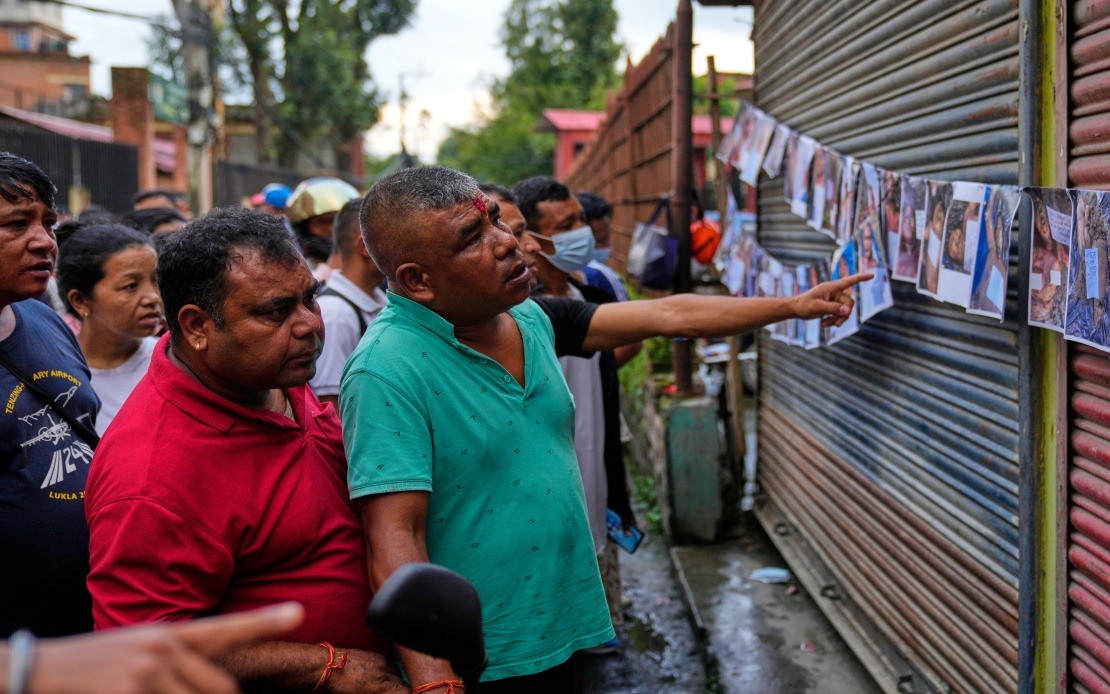
The humanitarian crisis unfolding in Nepal's mountain regions has escalated dramatically as search and rescue personnel work against time to locate survivors from a calamitous flooding event that struck the Himalayan nation on Wednesday. By Friday afternoon, the confirmed death toll had surpassed 500 people, with the number expected to rise further as recovery teams reach previously inaccessible areas downstream of the initial disaster zone. For Malaysia and other nations with citizens caught in the catastrophe, the focus has intensified on verifying the whereabouts and safety status of their nationals, a logistical challenge compounded by damaged infrastructure and communication disruptions across the affected region.
Malaysia's Foreign Ministry has been actively coordinating efforts to account for its citizens in the disaster zone. As of Friday at 2.22 pm, two of the 57 Malaysians initially reported as untraceable had been successfully located, reducing the confirmed missing count to 55 people. However, the Deputy Secretary-General for Bilateral Affairs at the Foreign Ministry, Datuk Syed Mohamad Hasrin Tengku Hussin, cautioned that these figures remain provisional pending further verification through Nepalese authorities and relevant international agencies. The verification process has proven laborious due to the scale of the disaster and the challenges in communicating across disrupted networks in the affected mountainous terrain.
Nepal's Department of Tourism released a comprehensive list on Thursday evening detailing 537 foreign nationals reported as missing across more than 30 countries following the Rasuwa district flooding. Malaysian citizens comprised a significant portion of this international cohort, with 51 Malaysians appearing on the initial missing persons register. The Department of Tourism, operating under Nepal's Ministry of Culture, Tourism, and Civil Aviation, compiled the list with personal details including names, ages, nationalities, and the tourism operators responsible for organizing their expeditions. This systematic documentation represents a critical resource for governments attempting to piece together the whereabouts of their nationals and coordinating response efforts.
The geological catalyst for the disaster was a sudden collapse of a Himalayan glacier that unleashed unprecedented volumes of water through the Bhote Koshi and Trishuli river systems. The wall of water that swept through on Wednesday morning moved with such velocity and force that it obliterated roads, bridges, and buildings across the Rasuwa district in Nepal's northern border region. The floodwaters continued downstream through the Trishuli River network, carrying debris, vehicles, and structures across vast distances, effectively isolating several communities that now face severe logistical barriers to receiving aid. The destruction of critical infrastructure has compounded the humanitarian challenge, limiting rescue teams' mobility and hampering medical evacuations.
The magnitude of the unfolding tragedy is evident not only in the confirmed casualty figures but in the growing downstream discoveries of remains as recovery teams fan out across affected districts. The Kathmandu Post reported that bodies and human remains are being recovered in locations far removed from the initial impact zone in Rasuwa, indicating the destructive reach of the deluge. Authorities have encountered significant obstacles in the grim work of identifying victims, with morgue facilities in several districts approaching capacity limits. This shortage of adequate storage facilities reflects the unprecedented scale of the disaster and presents authorities with escalating logistical and humanitarian challenges.
Rescue operations have yielded modest progress given the circumstances. Nepalese tourism authorities confirmed that 121 foreign nationals had been rescued from the flood-devastated region as of the latest official reports. Notably, no Malaysian citizens have yet been identified among those successfully extracted, raising heightened concern for the status of the 55 Malaysians still unaccounted for. The absence of Malaysian survivors among the rescued population suggests that evacuation and rescue operations have not yet reached all affected areas where Malaysian nationals may be located, or alternatively, that the Malaysians were positioned in more severely impacted zones.
Malaysia's diplomatic and humanitarian response has moved into an active phase, with the government exploring multiple avenues of assistance for the stricken nation. Prime Minister Datuk Seri Anwar Ibrahim has indicated that Malaysian support could encompass direct financial transfers to relief efforts or the deployment of trained rescue personnel. The National Security Council has maintained close communication with the Nepalese government to calibrate the form and scale of assistance most urgently required. The possible mobilization of Malaysia's Special Search and Rescue Team (SMART) remains under consideration as authorities assess whether specialized rescue expertise would prove beneficial given Nepal's existing international coordination efforts.
The Malaysian Foreign Ministry continues persistent efforts to establish contact with and verify the status of citizens in the affected regions. The challenge of confirming individual circumstances across a mountainous terrain with damaged communication infrastructure has meant that the accounting process remains necessarily gradual. Consular officials are coordinating with Nepalese authorities, tourism operators, and local organizations to piece together information about missing Malaysians. This multi-layered approach reflects the complexity of managing citizen welfare during a large-scale natural disaster in a foreign jurisdiction where normal administrative systems have been severely disrupted.
For Malaysia and the broader Southeast Asian region, the Nepal disaster underscores the inherent risks associated with tourism and travel to high-altitude mountainous regions, particularly during seasons when geological hazards may be more pronounced. The incident has prompted reflection on tourism safety protocols and the extent to which adventure tourism operators adequately prepare clients for extreme environmental contingencies. The large number of Malaysian nationals affected speaks to the popularity of Nepal as a destination for trekking expeditions and mountain tourism among Malaysian travelers. Going forward, stakeholders in the tourism industry will likely reassess risk management frameworks and emergency response procedures for operations in geologically sensitive areas.
The humanitarian dimensions of this disaster extend beyond immediate casualty figures to encompass the psychological trauma, displacement, and long-term reconstruction challenges facing affected communities. The international response, coordinated through diplomatic channels and multilateral frameworks, will be crucial in determining how quickly Nepal can stabilize the situation and commence recovery operations. For Malaysia specifically, the priority remains ensuring the safety and repatriation of its citizens while simultaneously contributing to broader regional humanitarian assistance efforts. The coming days will be critical in determining the final accounting of missing persons and shaping the contours of Malaysia's bilateral assistance to a neighboring nation grappling with catastrophic loss.

