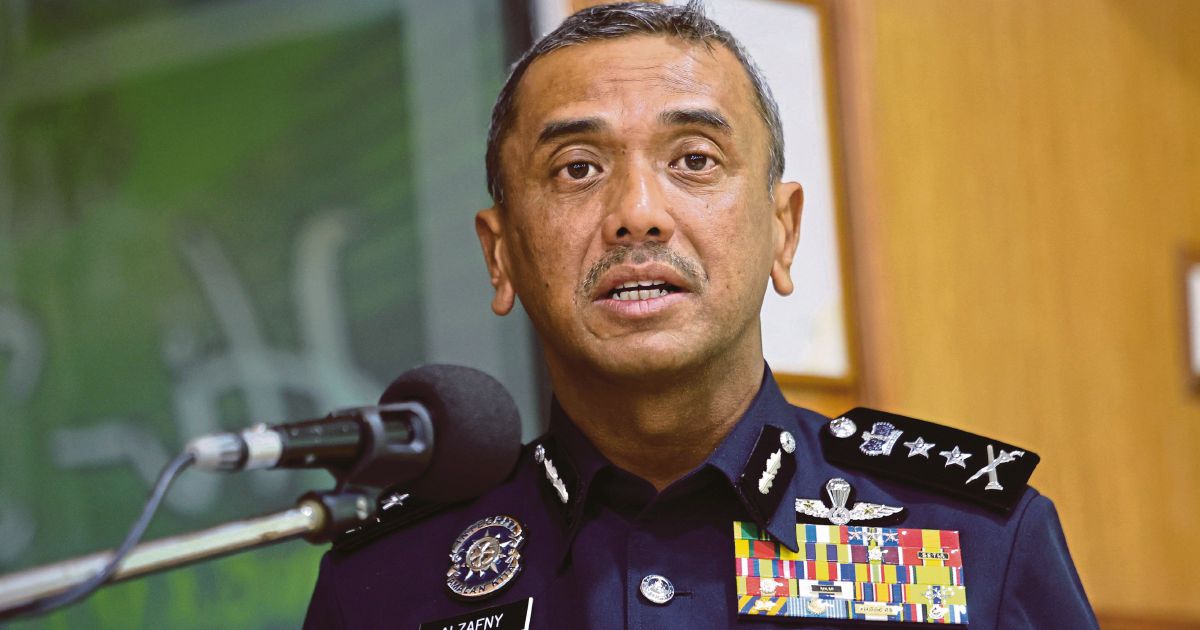
Law enforcement authorities in Negri Sembilan have issued formal guidance to political organisations competing in the upcoming state election, emphasising the critical importance of maintaining decorum and avoiding potentially divisive topics throughout the campaign season. The directive, communicated in Port Dickson, underscores the police's determination to ensure a peaceful and orderly electoral process while maintaining social harmony across the state.
The restrictions centre on what Malaysian officials commonly categorise as the "3R" framework: religion, royalty and race. These topics have historically proven contentious in Malaysia's political landscape, capable of inflaming communal tensions and derailing constructive political discourse. By preemptively cautioning candidates and campaign organisers, authorities aim to establish clear parameters for acceptable campaign conduct and reduce the likelihood of inflammatory rhetoric that could destabilise interethnic and interfaith relations.
The police's emphasis on avoiding religious discourse reflects Malaysia's delicate constitutional balance. Islam holds a constitutionally enshrined special position, while the Federal Constitution simultaneously guarantees religious freedom to minority communities. Election campaigns, characterised by intense competition and the desire to mobilise voter support, can create pressure for politicians to leverage religious identity and sentiment. The police warning essentially instructs candidates to resist this temptation and focus instead on policy platforms and governance records.
The restriction on royal-related commentary serves equally important constitutional and political functions. Malaysia's monarchy, whether at federal or state level, occupies a constitutionally protected and culturally revered position. The sultans of Negri Sembilan, as in other states, command deep respect rooted in both constitutional arrangements and historical tradition. Campaign discussions that question, criticise or inappropriately invoke royal prerogatives risk violating the Sedition Act and other relevant legislation, while simultaneously undermining the institution's standing. Authorities recognise that electoral periods, with their heated partisan competition, require proactive guidance to prevent well-intentioned but legally problematic statements.
The caution regarding racial matters addresses one of Malaysia's most enduring political sensitivities. The country's multiethnic composition—with Malay-Muslims, Chinese, Indians and indigenous communities constituting substantial populations—requires careful navigation of identity-based political appeals. While legitimate policy debates exist around affirmative action, economic participation, and communal representation, election campaigns can generate rhetoric that emphasises ethnic divisions rather than shared national interests. The police guidance implicitly directs politicians to articulate their positions in ways that acknowledge legitimate communal concerns without weaponising ethnic difference or promoting stereotypes.
Negri Sembilan, like many Malaysian states, has historically seen competition between Barisan Nasional and Pakatan Harapan, though the 2024 political landscape has grown more complex with the emergence of other coalitions and independent candidates. Regardless of partisan affiliation, all contesting parties receive the same police instruction, reflecting a commitment to enforcing electoral regulations evenhandedly. This uniformity is essential for maintaining public confidence that the electoral process remains impartial and that authorities protect all participants and communities equally.
The timing of such warnings is conventionally established in the electoral calendar, typically issued at briefing sessions held shortly after nomination or early in the campaign period. These sessions serve multiple purposes: they inform candidates of their legal obligations, outline the consequences of breaching campaign conduct regulations, and provide opportunities for candidates to clarify what constitutes prohibited conduct versus permissible political discourse. Experienced campaign managers and legal advisors typically attend these sessions to ensure their candidates understand the parameters.
Enforcement mechanisms accompany such warnings. Candidates or parties that breach these guidelines risk formal complaints being lodged with the Elections Commission, investigations by police, potential charges under relevant legislation such as the Sedition Act or laws against incitement, and reputational damage that could undermine their electoral prospects. In serious cases, individuals may face court proceedings and criminal penalties. This escalating spectrum of consequences provides powerful incentive for compliance.
For Malaysian voters, particularly in Negri Sembilan, these police guidelines represent a framework designed to ensure that electoral competition focuses on substantive governance issues rather than divisive identity politics. Voters can thus engage more meaningfully with candidates' policy platforms, records of service, and vision for state development. The restrictions also signal to all communities that their religious beliefs, ethnic identity, and respect for royal institutions enjoy legal and official protection regardless of election outcomes.
The broader context reflects Malaysia's ongoing navigation of liberal democratic principles with constitutional arrangements that protect minority rights and religious freedom while simultaneously safeguarding Islam's special position and the monarchy's role. Elections inherently generate partisan heat and competition for voter support, yet the constitutional and social order requires that such competition remain within bounds that preserve communal peace and institutional respect. Police warnings operationalise this principle in practical electoral contexts.
For Southeast Asian observers, Malaysia's approach to managing sensitive topics during elections illustrates the distinctive governance challenges facing multiethnic, multireligious democracies. While critics argue that restrictions on certain political discourse may limit freedom of expression, authorities contend that such parameters protect vulnerable minorities, prevent communal violence, and preserve the democratic system itself. The Negri Sembilan campaign will likely demonstrate how effectively such guidelines can be implemented and whether all political actors respect the established boundaries.
As campaigning unfolds across the state, local observers and election monitors will watch whether parties and candidates adhere to police guidance. Compliance would affirm confidence in Malaysia's electoral maturity and respect for constitutional norms across the political spectrum. Any breaches would trigger investigation and potential enforcement action, demonstrating that such warnings carry genuine consequences. The outcome will partly determine whether future elections maintain similarly stable campaign environments and whether Malaysia successfully balances democratic competition with social cohesion.

