The Negeri Semibilan branch of Parti Keadilan Rakyat has formally presented its slate of prospective candidates to the party's central leadership ahead of the state election scheduled for August 1. The submission marks a critical step in the Pakatan Harapan coalition's preparation for the electoral contest, as the three-party alliance moves toward finalising its candidate line-up across the state's 36 assembly seats.
Datak Seri Aminuddin Harun, who serves as both Negeri Semibilan PKR chairman and Menteri Besar, confirmed that the party submitted multiple names per constituency to ensure a rigorous selection process. The approach reflects a deliberate effort to maintain candidate quality whilst accommodating diversity within the party ranks. The submission includes between three and five nominees for each of the 16 seats PKR will contest, drawing from a pool that encompasses seasoned political figures, female candidates, and younger representatives seeking their first electoral platform.
The candidate distribution within the 36-seat Negeri Semibilan assembly reveals the power-sharing arrangement negotiated among Pakatan Harapan's three constituent parties. PKR's allocation of 16 seats represents the coalition's largest contingent in the state, reflecting the party's position as the dominant PH partner in Negeri Semibilan. The Democratic Action Party has secured 11 seats whilst Amanah will field candidates across the remaining nine constituencies. This arrangement balances each party's organisational strength against the broader coalition strategy of maintaining unity and preventing three-cornered contests that could fragment opposition votes.
Aminuddin indicated that the Democratic Action Party and Amanah have similarly forwarded their candidate recommendations to their respective central leadership bodies. The coordination requirement between the three parties introduces an additional layer of complexity, as each organisation must reconcile its internal selections with coalition interests. The Menteri Besar signalled his confidence in the process, noting that party officials have begun exploring suitable dates for a joint public announcement of all Pakatan Harapan candidates across the state.
For Malaysian voters accustomed to sequential state elections, the Negeri Semibilan contest represents an important gauge of coalition cohesion and public sentiment towards the federal ruling administration. The August 1 polling date falls within a period of considerable political activity across the peninsula, with state-level contests increasingly serving as bellwethers for national political trajectories. The scale of Pakatan Harapan's candidate pool—with multiple contenders per seat—demonstrates the party's confidence in fielding competitive candidates whilst allowing flexibility for last-minute adjustments based on ground realities and strategic considerations.
The electoral calendar for Negeri Semibilan provides parties with a compressed timeline for campaign preparation. Nomination day is set for July 18, affording candidates less than three weeks from the candidate announcement to finalise their registration documents and commence formal campaigning. Early voting has been scheduled for July 28, ensuring that those unable to visit polling stations on election day can cast their votes. This compressed schedule heightens the importance of timely candidate announcements, allowing candidates adequate time to establish presence in their constituencies and mobilise grassroots support networks.
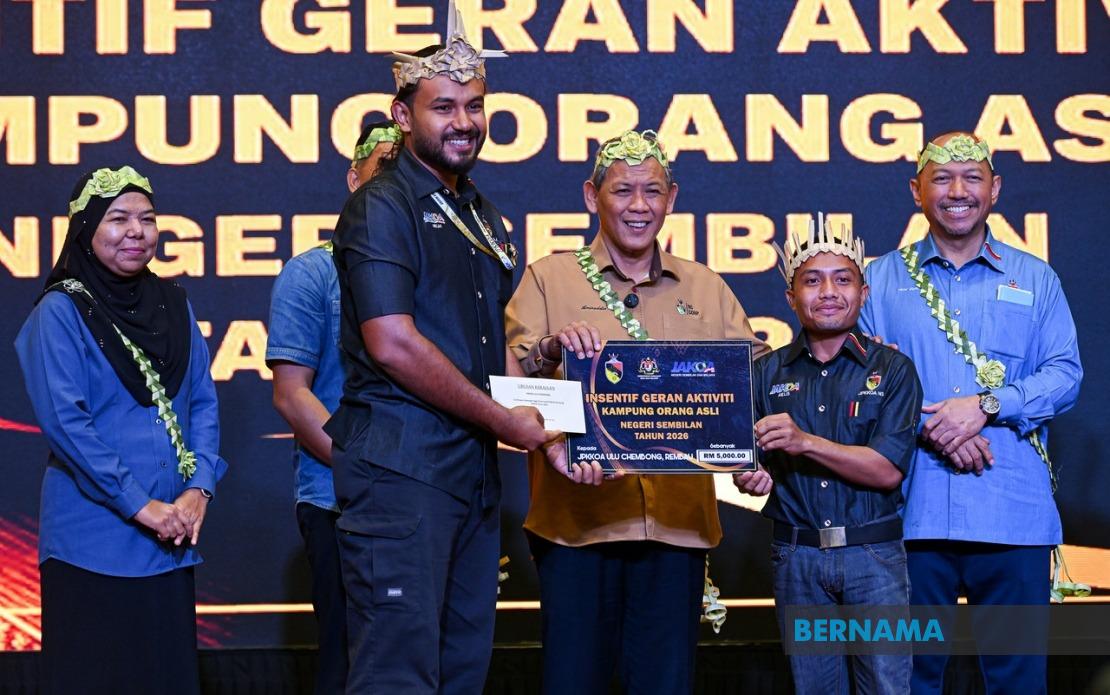
The Orang Asli community engagement that Aminuddin highlighted whilst making the candidate submission announcement underscores the broader campaign strategy encompassing marginalised constituencies. The RM415,000 allocation for village activity programmes signals investment in communities that have historically faced governance challenges. Such gestures, when coupled with substantive candidate engagement during the campaign period, can prove decisive in constituencies where voting margins tend to be narrow and community-based mobilisation carries significant weight.
Pakatan Harapan's approach in Negeri Semibilan reflects lessons learned from previous electoral contests across Malaysia. The inclusion of female candidates and younger aspirants addresses demographic demands for representation whilst broadening the coalition's appeal beyond traditional voter bases. The emphasis on experienced contenders alongside newcomers ensures that critical constituencies benefit from candidates capable of navigating incumbent advantages whilst fresh voices inject campaign dynamism.
The forthcoming Negeri Semibilan election will test PKR's organisational capacity in a state where the party commands significant legislative presence but faces entrenched opposition parties and internal factionalism that periodically threatens coalition unity. The quality of candidates ultimately fielded will determine whether Pakatan Harapan can consolidate support or faces erosion amongst voters concerned about governance effectiveness and administrative competence. With nomination day approaching, the intensity of internal party deliberations will peak as central leadership bodies finalise selections and communicate decisions to state-level party structures tasked with campaign execution.

