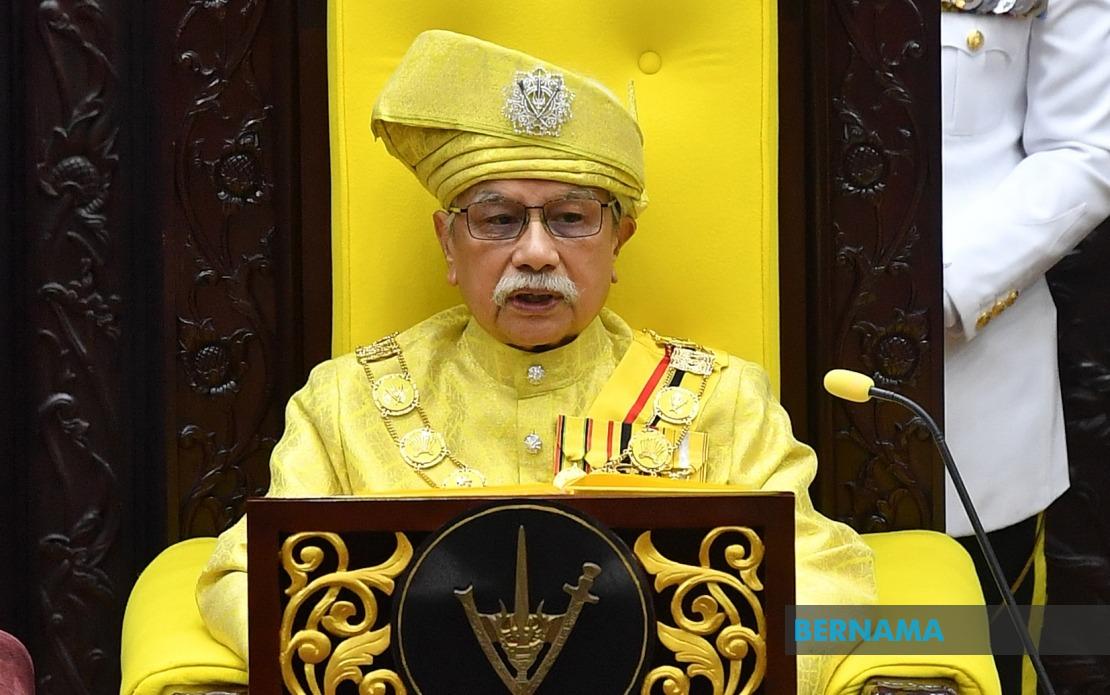
The Yang Dipertuan Besar of Negeri Sembilan, Tuanku Muhriz Tuanku Munawir, has given his approval for a royal audience ceremony scheduled for this Saturday at Istana Besar Seri Menanti to formally recognise the installation of the new Undang of Luak Rembau. The announcement was conveyed through Tunku Besar Seri Menanti, Tunku Ali Redhauddin Tuanku Muhriz, who informed the Datuk-Datuk Adat of Rembau of the ruler's consent during a meeting at the palace.
Hassan Ab Hamid, aged 67, has been selected as the 22nd Undang of Rembau following the completion of traditional customary procedures recognised under the Adat Perpatih system. The selection was undertaken by the Kerapatan Buapak Delapan ceremony for the Biduanda Nan Dua Carak customary clan, with the formal announcement made by Datuk Juan Datuk Zulkipli Shamsudin, who chairs the ceremony proceedings.
The upcoming royal audience, formally titled Istiadat Menghadap Menjunjung Duli Bagi Menyempurnakan Kejadian Undang Luak Rembau, represents a crucial constitutional recognition of the newly selected leader within Negeri Sembilan's unique governance structure. Tunku Ali Redhauddin conveyed his father's blessing for the ceremony and requested that adat leaders coordinate logistical and ceremonial arrangements with the Orang Empat Istana, the traditional advisory body responsible for palace protocols.
A significant aspect of this succession is the clarification regarding the ruler's constitutional role within the Adat Perpatih framework, which has governed customary affairs in Negeri Sembilan for centuries. Datuk Zulkipli emphasised that the selection of an Undang occurs entirely through community-driven customary processes rather than through royal appointment or individual discretion by the Yang Dipertuan Besar. This distinction is particularly important for understanding how Negeri Sembilan's governance differs from other Malaysian states, where traditional chiefs are typically appointed by the state ruler.
Under the Adat Perpatih system, the role of the ruler centres on receiving formal representation from the luak—a territorial division with its own customary governance structures—and providing royal recognition and consent when required by established customs. The ruler does not initiate, nominate, or unilaterally determine who shall hold the position of Undang. This structural arrangement reflects a delicate constitutional balance between royal authority and customary sovereignty, a distinction that Datuk Zulkipli felt warranted explicit clarification to counter potential misunderstandings about the nature of Negeri Sembilan's administrative traditions.
The appointment comes following the death of the previous Undang, Datuk Lela Maharaja Datuk Muhamad Sharip Othman, who passed away on May 15, 2024, at the age of 83. The vacant position necessitated the activation of customary selection procedures, which, while rooted in centuries of tradition, must ultimately receive formal royal acknowledgement to achieve constitutional completeness within the state's framework.
For Malaysian readers accustomed to more centralised appointment systems, the Adat Perpatih approach offers an instructive model of how customary autonomy can coexist within a monarchical constitutional structure. The process validates community-based selection while preserving the ceremonial and symbolic authority of the ruler, creating a partnership between tradition and formal governance. This balance has proven resilient enough to survive Malaysia's transition to independence and the subsequent development of its federal system.
The Rembau luak, one of Negeri Sembilan's territorial divisions, maintains distinct customary practices that have been preserved alongside modern state administration. The selection of Hassan Ab Hamid through Adat Perpatih procedures indicates that these customary mechanisms remain functionally active and respected within the state's governance hierarchy, despite the broader modernisation of Malaysia's administrative structures.
The Saturday ceremony will represent not merely a ceremonial formality but a constitutional affirmation that the customary selections made by Rembau's community possess legitimacy within the state's legal and administrative framework. This formal recognition ensures that Hassan Ab Hamid's authority to represent and govern luak matters derives from both customary legitimacy and state constitutional acknowledgement, providing the dual foundation necessary for effective traditional leadership in a modern constitutional state.
The scheduled audience also underscores Negeri Sembilan's commitment to preserving its distinctive adat traditions at a time when many Malaysian states have significantly reduced the autonomy of customary governance. By maintaining these ceremonial and substantive roles, Negeri Sembilan continues to demonstrate that constitutional monarchy and customary sovereignty need not operate in conflict but rather can reinforce one another through mutually respectful institutional arrangements.

