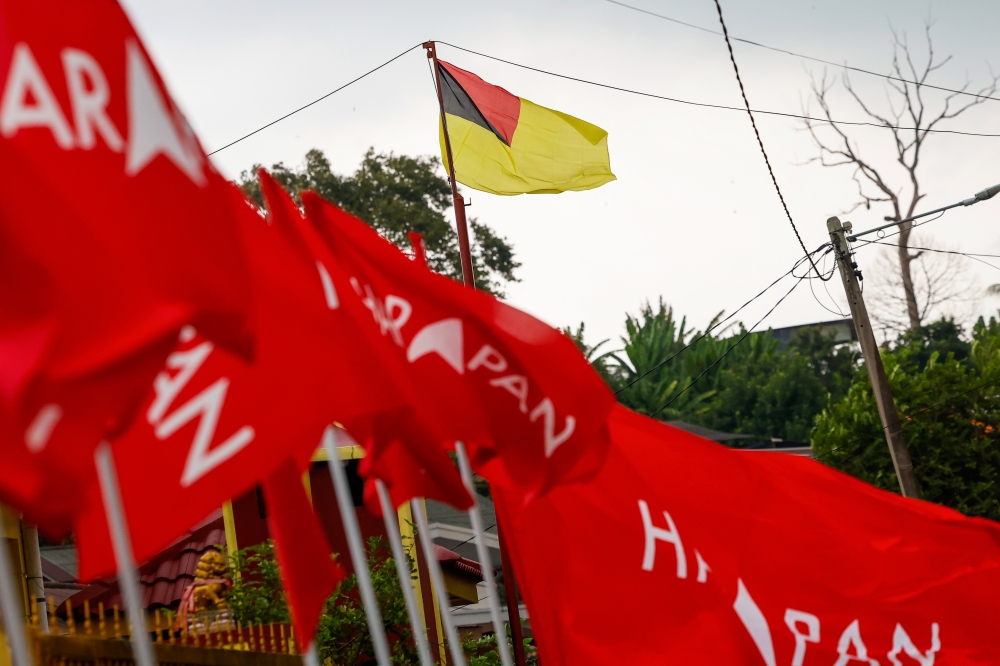
The Royal Malaysia Police contingent in Negeri Sembilan has initiated two separate investigation papers targeting individuals responsible for damaging property in connection with election-related activities, underscoring growing concern over campaign-season misconduct in the state. The move reflects broader efforts by law enforcement to maintain order and protect public and private assets during periods of heightened political activity, when enthusiasm for candidates and parties sometimes spills over into destructive or disruptive behaviour on the ground.
Police responses to election-linked vandalism have become more structured in recent years, with authorities treating such incidents as distinct offences rather than mere campaign collateral. In Negeri Sembilan, where diverse political constituencies have generated intense competition in recent electoral cycles, the decision to open formal investigation papers signals that police view these particular cases as meeting thresholds for formal prosecution. The two-case approach suggests that investigators have identified separate individuals or groups acting with different motives or methods, necessitating parallel inquiries rather than a single consolidated probe.
Property damage during election periods typically encompasses tearing down rival party posters, vandalising campaign banners, defacing billboards, or destroying election-related structures erected by candidates. While such activity might historically have been dismissed as ordinary campaign friction, Malaysian authorities increasingly recognise that such conduct undermines public order and erodes the principle that election campaigns should remain peaceful and lawful. By formalising investigations, police send a message that political enthusiasm does not exempt individuals from legal consequences for damage to property, whether it belongs to candidates, parties, or neutral third parties caught in the crossfire.
Negeri Sembilan's geographic and demographic characteristics make it particularly susceptible to spirited electoral competition. Straddling peninsular Malaysia's central region, the state encompasses both urban areas and rural constituencies where political allegiances run deep and community involvement in campaigns remains high. This environment, whilst generating robust democratic participation, can occasionally produce instances where individual supporters take unilateral action without formal party endorsement, complicating efforts to attribute responsibility or establish clear command chains within political organisations.
The opening of investigation papers represents a procedural step distinct from arrest or formal charges. Police typically deploy this mechanism when they have identified a specific incident, gathered initial evidence, and determined that the matter warrants formal documentation and further inquiry. The two-case structure may indicate that investigators are pursuing leads that have led them to distinguish between the incidents, whether by location, nature of damage, or suspected perpetrators. Such differentiation allows police to pursue each thread independently whilst maintaining the flexibility to discover linkages later if evidence suggests coordinated activity.
From a broader Malaysian perspective, the Negeri Sembilan action reflects national policing trends around election integrity. The Election Commission coordinates with police forces nationwide to ensure that campaign periods remain compliant with electoral laws, which prohibit certain forms of electioneering whilst protecting the rights of candidates and supporters to campaign peacefully. Property damage falls clearly outside permissible conduct, yet remains a persistent challenge during intensely contested elections when local activists may exceed boundaries established by party leadership or law.
For candidates and campaign teams in Negeri Sembilan, the police action carries implicit warnings about accountability for activities undertaken in their name or benefit. Whilst political parties cannot be held responsible for every act committed by individual supporters, investigations into vandalism sometimes uncover evidence suggesting party involvement or tacit encouragement. The formal inquiry pathway therefore incentivises parties to maintain discipline within their campaign machinery and to distance themselves clearly from destructive activities, lest they face pressure or reputational damage through association.
The enforcement environment also matters for ordinary citizens and property owners whose assets become caught in election-season crossfire. Small business owners displaying banners or signs from preferred candidates, residents decorating homes with campaign materials, and building owners renting billboard space to candidates all face potential loss if their property becomes targets for vandalism. Police investigations provide recourse and symbolic reassurance that such damage will not be tolerated as merely incidental to democratic competition.
Investigators in Negeri Sembilan will likely examine surveillance footage from relevant locations, interview witnesses and victims, and cross-reference complaint logs with patrol records to establish timelines and reconstruct how damage occurred. Digital evidence, including social media posts and messaging applications, increasingly plays a role in such investigations, potentially linking individuals to incidents or revealing prior coordination. The technical sophistication of modern investigations means that even informal or spontaneous vandalism often leaves digital traces that police can follow.
As these two investigation papers progress, their outcomes will signal Negeri Sembilan's commitment to maintaining electoral standards and protecting property rights during campaigns. Whether they result in charges, convictions, or conditional warnings, they contribute to evolving norms around acceptable campaign behaviour. For Malaysian voters and candidates elsewhere, the Negeri Sembilan cases offer a reminder that campaign season enthusiasm must remain within legal boundaries, and that police forces increasingly possess both the motivation and capability to hold individuals accountable for election-linked misconduct.

