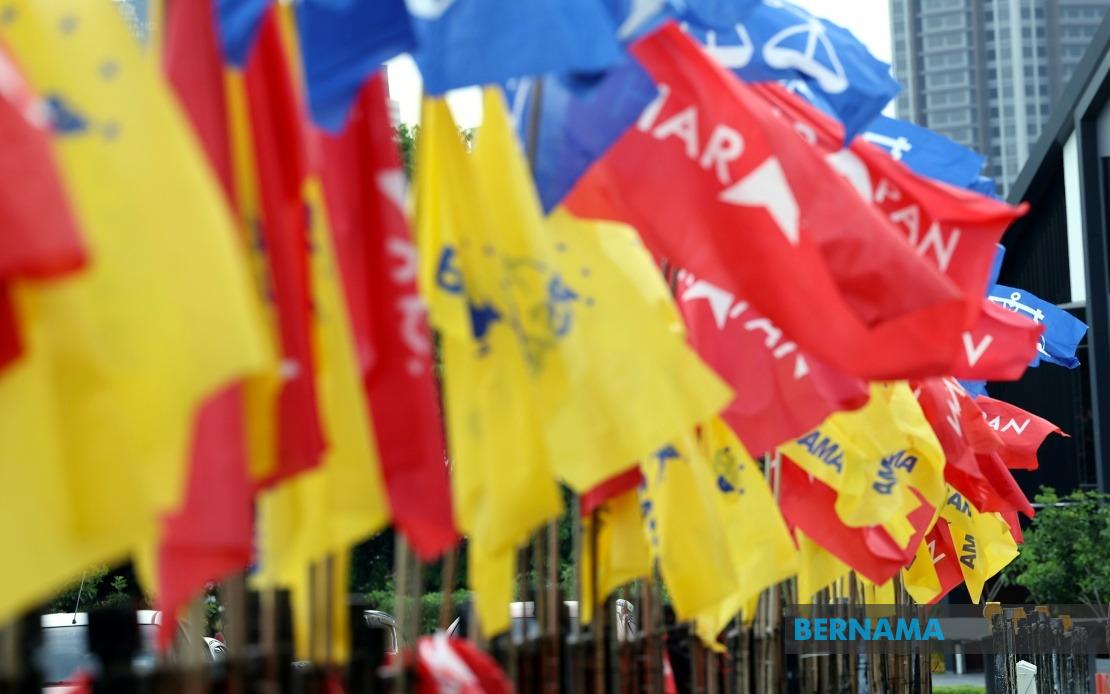
The Negeri Sembilan police force has approved 19 permit applications for political ceramah and campaign activities in the lead-up to the state election scheduled for August 1. The approvals came after organisers met all legal requirements set by authorities, according to Datuk Alzafny Ahmad, the state police chief. The permits represent a steady flow of grassroots political activity as the state's competing coalitions mobilise support across constituencies ahead of the ballot.
Police approval marks a critical checkpoint in campaign logistics. Beyond simply authorising gatherings, Alzafny emphasised that every political programme and event will remain under surveillance throughout the election period to verify compliance with electoral law and ensure public safety remains undisturbed. This layered approach reflects the state police's strategy of permitting democratic participation while maintaining order through active oversight rather than restrictive gate-keeping.
Security conditions across Negeri Sembilan have remained stable since the state assembly's dissolution on June 5, with Alzafny noting that overall law and order throughout the 16th Negeri Sembilan State Election remains solid and controllable. The relatively benign security picture stands in contrast to previous electoral cycles in other states, where campaign violence and public disturbances have occasionally marred the democratic process. The state has recorded only one police report linked to election activities, suggesting a disciplined political environment so far.
Enforcement activity has been minimal, with no investigation papers opened relating to election offences at this stage. This suggests that political parties and campaign organisers have largely adhered to established rules governing election conduct. However, police have signalled that this measured approach will shift immediately if violations occur. Alzafny warned that any breaches of electoral law will attract swift and consistent enforcement, applied with fairness and institutional integrity regardless of which party or candidate is involved.
The state police are actively preparing for potential challenges ahead. Enhanced preparedness measures, expanded monitoring capacity, and strict enforcement protocols remain in place through election day. This multi-front readiness reflects lessons learned from managing previous electoral exercises, where maintaining order during intense political campaigns requires anticipatory resource planning rather than reactive crisis management. The decision to sustain vigilance despite current calm sends a clear deterrent signal to potential troublemakers.
Negeri Sembilan represents a significant electoral battleground for Malaysia's political landscape. The 36-seat State Legislative Assembly holds considerable importance for coalition calculations at the national level, as control of state governments influences federal political dynamics. The August 1 polling date, with early voting already scheduled for July 28, means the campaign period is compressing into an intense final fortnight. The high stakes surrounding state control create additional pressure on police to prevent any security incidents that could undermine electoral credibility.
The approval of campaign permits illuminates the delicate balance Malaysian electoral authorities must strike between enabling democratic expression and preventing disorder. By setting clear requirements and maintaining transparent approval processes, police demonstrate a commitment to democratic norms while retaining enforcement levers to prevent abuse. This framework allows multiple parties to campaign vigorously without creating conditions for intimidation or violence that could suppress voter participation or skew electoral outcomes.
Public cooperation remains essential to police plans. Alzafny appealed to residents to respect the law, honour democratic processes, and assist police personnel deployed across constituencies. This messaging reframes police and voters as partners in protecting electoral integrity rather than adversaries. Citizens who observe law-breaking during campaigns are encouraged to report incidents promptly, enabling swift investigation and deterrence. Community engagement in election security has proven effective in preventing sporadic incidents from escalating into broader public order crises.
The election commission's timeline structures the remaining campaign intensity. With early voting on July 28 and polling on August 1, campaign activities will likely peak in the final week. Police resource deployment will concentrate during this high-pressure period when candidates mount final persuasion efforts and campaign emotions run highest. Weather conditions, crowd management, and traffic flow around polling locations will demand coordinated attention from multiple agencies beyond police command.
For Malaysian electoral observers, the Negeri Sembilan exercise provides an important test case of how election management functions during a politically charged period. A peaceful, well-administered state election bolsters institutional credibility and public confidence in democratic processes. Conversely, security lapses or allegations of unfair enforcement could fuel broader questions about electoral integrity. The state police's emphasis on balanced, firm enforcement reflects awareness that their conduct during this campaign period carries implications extending beyond Negeri Sembilan to national perceptions of Malaysian democracy.
The approval of 19 permits represents only one snapshot in an ongoing campaign cycle. Additional permit applications may arrive before voting day, requiring continued police processing and approval. Each approved event represents an opportunity for democratic participation, while each requires monitoring to prevent abuse. This iterative cycle of permission and oversight will define the election period's rhythm, with police calibrating their enforcement posture according to evolving circumstances and incident patterns.

