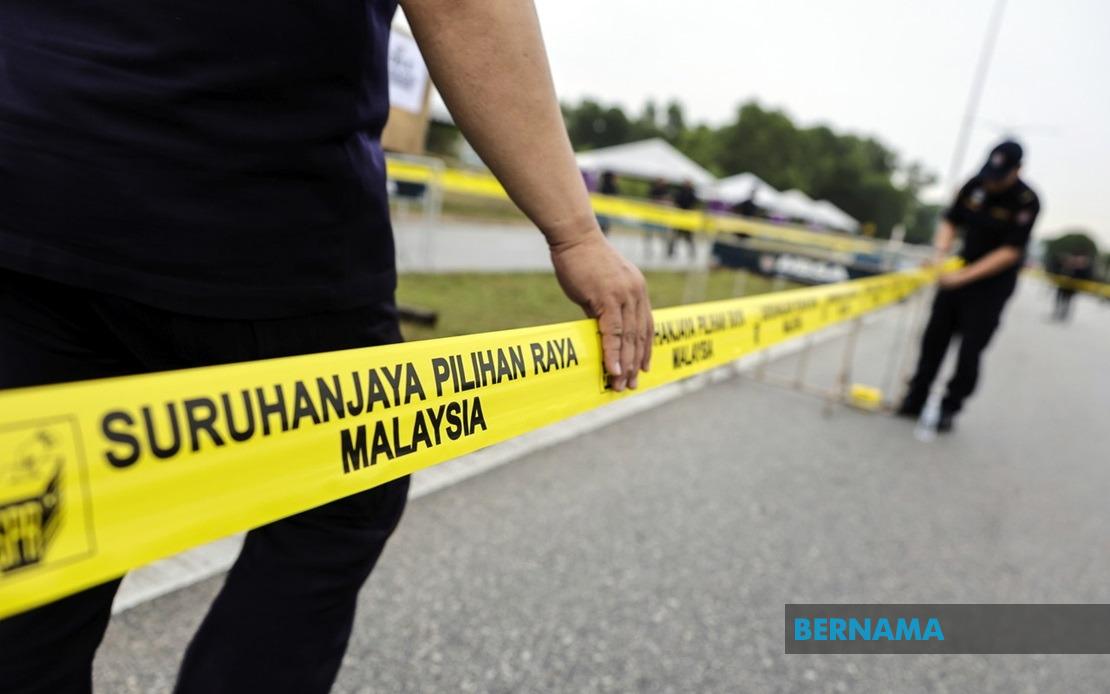
Negeri Sembilan voters are gearing up for a significant political moment as the 16th state election enters its nomination phase tomorrow, with weather conditions generally cooperating for the critical day ahead. According to the Malaysian Meteorological Department, most areas of the state will experience pleasant morning conditions that should facilitate smooth conduct of nominations across all eight designated centres operating between 9 and 10 am. However, meteorologists warn that the afternoon hours will see thunderstorm activity develop across numerous districts, a pattern that could affect campaign activities and public movement later in the day.
Director-general Dr Mohd Hisham Mohd Anip outlined a geographic split in tomorrow's weather patterns, with Jelebu, Jempol, Kuala Pilah, Rembau and Tampin expected to remain largely dry throughout the morning hours. In contrast, the Port Dickson and Seremban districts, which include the state capital and coastal region, should prepare for rainfall during the same period. This variation reflects the typical meteorological dynamics affecting Negeri Sembilan's diverse topography and elevation patterns. The temperature envelope across the state will remain consistent with the season, with overnight lows between 23 and 24 degrees Celsius and daytime highs reaching 32 to 33 degrees Celsius, conditions that candidates and election staff should factor into their planning.
The afternoon forecast carries particular significance for campaign momentum and voter engagement. MetMalaysia expects thunderstorms to materialise across the majority of districts after midday, introducing logistical considerations for both election officials and political operatives. Critically, the department characterises this precipitation as transient in nature, emphasising that contrary to more alarming scenarios, the rainfall will consist of brief, passing showers rather than sustained heavy downpours. This distinction matters substantially for the practical conduct of the nomination process and subsequent campaign activities scheduled for the evening and following days.
The nomination centres will operate under what appears to be manageable weather circumstances during the critical morning window when candidates formally lodge their nominations and returning officers verify credentials. The eight centres dispersed across the state should experience minimal weather-related disruption during these hours, allowing the returning officers to proceed with announcing confirmed candidates without significant delay. Election officials and candidates alike are encouraged by MetMalaysia to stay informed through the department's website and official channels, ensuring real-time awareness of any developments that might necessitate operational adjustments.
Negeri Sembilan's election represents a complex three-way political contest with substantial geographic and organisational dimensions. Pakatan Harapan has committed to contesting the full slate of 36 state seats, with PKR fielding the largest contingent at 16 candidates, DAP contributing 11, and Amanah rounding out the coalition with nine nominations. This strategy reflects the coalition's confidence in traditional strongholds and competitive districts across the state. Barisan Nasional has opted for a more selective approach, contesting 25 seats through its component parties, with UMNO's 16 candidates representing the backbone of the coalition's challenge, supplemented by seven MCA nominees and two from MIC.
Perikatan Nasional's participation adds further complexity to the contest, with the bloc fielding 11 candidates distributed across several parties. PAS provides the largest PN contingent with five candidates, while Parti Wawasan Negara contributes four, with Gerakan and the Malaysian Indian People's Party each fielding single candidates. This configuration demonstrates PN's attempt to maintain a coalition presence in Negeri Sembilan despite resource constraints compared to the established BN and PH mechanisms. The diversity of candidates and parties reflects broader patterns in Malaysian electoral competition, where traditional binary competition has evolved into more fluid multi-sided contests.
Beyond the three major coalitions, independent and smaller party participation underscores the competitive nature of this election. Parti Orang Asli Malaysia, Parti Sosialis Malaysia, and Parti Barisan Jemaah Islamiah Se-Malaysia each plan to field single candidates, providing voters with ideological and representational alternatives outside conventional coalition frameworks. Parti Pribumi Bersatu Malaysia, notably absent from any coalition structure, is expected to announce its candidacy list later today, potentially altering the competitive calculus in selected constituencies. These decisions reflect individual party strategies regarding viability, resource allocation, and political positioning within Negeri Sembilan's specific context.
The electoral landscape encompasses 889,490 registered voters, a substantial electorate that will ultimately determine the composition of the 36-member State Legislative Assembly. This voter roll comprises 867,151 ordinary voters conducting standard balloting on August 1, complemented by 22,339 military and police personnel eligible for early voting on July 28. The involvement of security force members in early voting procedures reflects constitutional provisions balancing franchise rights with operational requirements of uniformed services. The dissolution of the previous assembly on June 5 initiated the electoral timeline that culminates in the nomination process tomorrow and the election campaign spanning the subsequent weeks.
For Malaysian political observers and regional analysts, the Negeri Sembilan contest offers insights into coalition dynamics, voter preferences in a traditionally mixed-preference state, and the competitive positioning of various political formations heading into the broader electoral cycle. The state's political history demonstrates capacity for significant swings between coalitions, making predictions hazardous. Weather cooperation tomorrow should ensure procedural smoothness, though the afternoon thunderstorms serve as a reminder of the unpredictability that characterises Malaysian electoral politics during the monsoon-influenced season.

