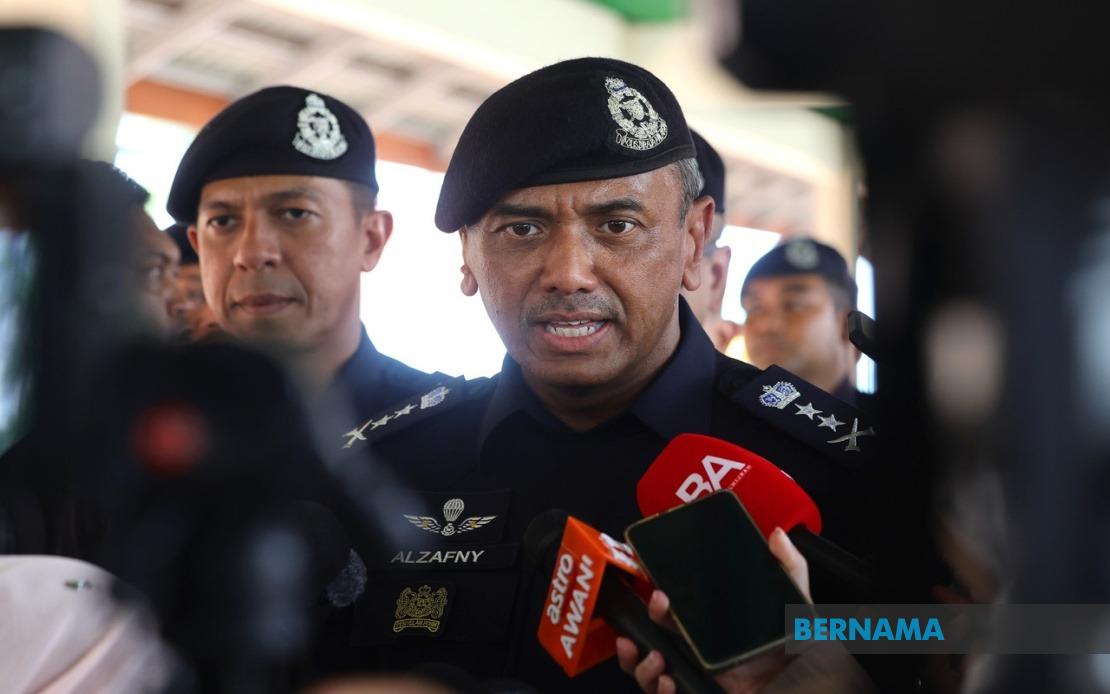
The nomination process for Negeri Sembilan's 16th state election unfolded without disruption across eight centres on July 18, according to state police authorities who monitored the proceedings from morning through midday. Port Dickson became the focal point for security operations as thousands of party supporters converged on voting locations to formally register their candidates for the August 1 polling day.
State police chief Datuk Alzafny Ahmad confirmed that all contesting parties and their supporters demonstrated discipline and responsiveness to police directions, maintaining an orderly environment throughout the day's activities. The controlled atmosphere reflected weeks of preparation by law enforcement to anticipate potential flashpoints during what has historically been a critical juncture in electoral cycles, when campaign momentum begins in earnest and partisan energy runs highest.
Turnout figures revealed significant variation across nomination centres, with participation ranging from 1,000 to 2,500 supporters depending on location. Jempol emerged as the most active constituency, drawing approximately 2,500 supporters from various political factions, while Kuala Pilah attracted the smallest gathering at around 1,000 participants. These disparities likely reflected both the population distribution across Negeri Sembilan's districts and the strength of competing party organisations in each area.
The scale of the police operation underscored the authorities' commitment to ensuring electoral integrity. A total of 2,373 police officers and personnel were positioned strategically across all eight nomination centres to manage security concerns and regulate vehicle traffic during the concentrated period when supporters assembled. This substantial deployment enabled authorities to prevent bottlenecks, deter potential disorder, and respond swiftly to any irregularities, though none materialised during the day.
Alzafny used the platform afforded by his post-nomination briefing to articulate formal guidance for candidates preparing to campaign. He pointedly cautioned all contesting parties against allowing their campaign rhetoric to venture into the territory of the 3Rs—religion, royalty, and race—issues that carry particular sensitivity in Malaysia's plural society and possess proven capacity to ignite communal tensions if handled carelessly or exploited deliberately. This warning reflected police understanding that electoral competition, while healthy, risks degradation when contestants resort to inflammatory language that mobilises identarian grievances.
The police chief further advised candidates to exercise restraint in their public statements, encouraging them instead to distinguish their campaigns through substantive articulation of party strengths and policy platforms. By recommending this positive approach over negative campaigning, Alzafny signalled that the force would monitor for speeches containing provocation, incitement, or defamatory content calculated to generate racial animosity or public anxiety. Such messaging appears designed to establish clear expectations before campaigning accelerates.
Compliance with campaign regulations extended beyond rhetorical boundaries to encompass everyday conduct. Alzafny reminded candidates and their supporters of practical rules governing their movements, including the mandatory wearing of safety helmets when travelling by motorcycle through villages and residential neighbourhoods. While ostensibly a straightforward safety requirement, such reminders function also as gentle assertions of police authority and signals that violations—even minor ones—may attract attention during the heightened scrutiny of an election period.
The police have established a formal coordination structure with the Election Commission to maintain oversight throughout the campaign phase. Multiple monitoring teams have been deployed specifically to ensure candidates and supporters adhere to all applicable regulations and directives. This collaborative framework institutionalises the principle that electoral administration in Malaysia operates as a partnership between the security apparatus and the independent commission formally responsible for electoral conduct, though coordination raises questions about boundaries between law enforcement and neutral election administration.
The electoral calendar has been firmly established, with early voting scheduled for July 28 and the main polling day set for August 1. This relatively compressed timeline means candidates have barely two weeks to conduct comprehensive campaigning, a constraint that may advantage incumbent parties with established machinery while potentially disadvantaging newcomers or smaller organisations lacking the infrastructure for rapid mobilisation. The abbreviated window also intensifies pressure on all participants to maximise their effort during this critical fortnight.
For Malaysian political observers, the smooth nomination process suggests that procedural aspects of electoral administration function competently, at least in the initial phases. However, the police chief's felt necessity to caution candidates against sensitive topics and inflammatory language hints at underlying concerns about campaign conduct. The warnings may prove prescient if they reflect intelligence about potential hot-button issues or if they encourage candidates to police their own rhetoric proactively. The real test of electoral quality will emerge not during the orderly nomination day but during the substantive campaign period ahead, when genuine competition unfolds and the limits of permissible speech face practical testing.

