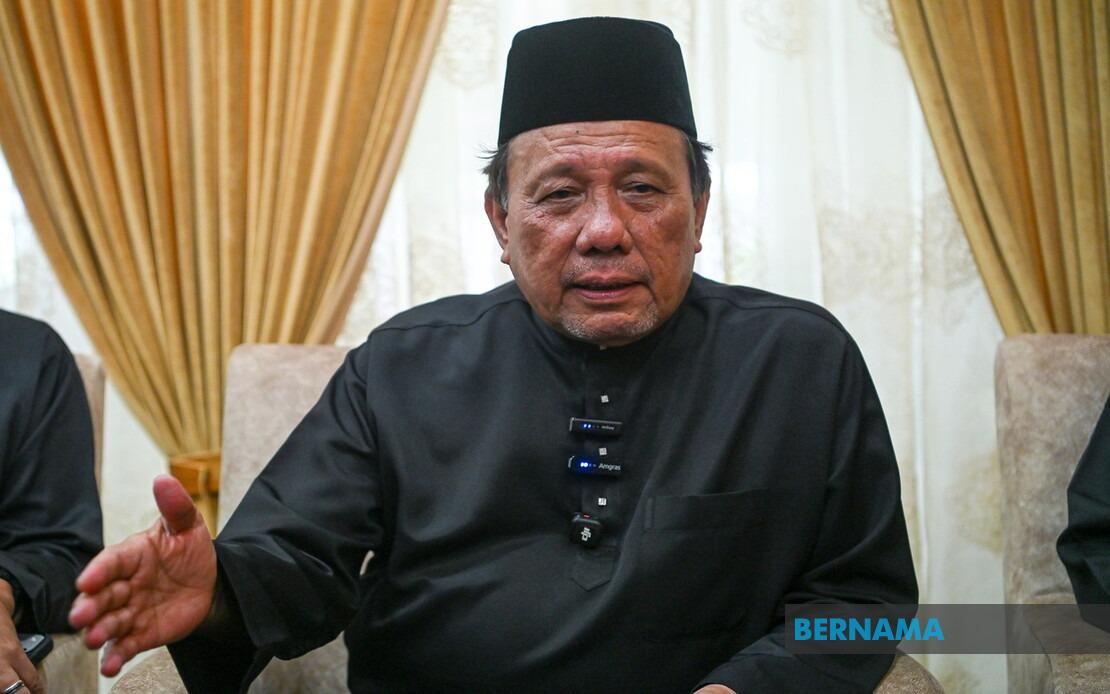
Datuk Ismail Lasim, the current Menteri Besar of Negeri Sembilan, has taken over the chairmanship of Negeri Sembilan Football Club (NSFC), marking a significant leadership transition within the state's premier football institution. The appointment, which became effective immediately, follows the departure of Datuk Seri Aminuddin Harun and signals a renewed commitment to elevating the club's competitive standing and institutional development.
Tunku Besar Tampin Tunku Syed Razman Tunku Syed Idrus Al-Qadri, president of the Negeri Sembilan Football Association (PBNS), announced the decision and highlighted Ismail's extensive background within the state's footballing ecosystem. The PBNS leadership emphasized that Ismail's return to a prominent position within the football club represented a natural progression, given his longstanding involvement with the organization and demonstrated understanding of the sport's role within the state.
Ismail's football credentials span multiple decades, having served as the state team manager during the 1990s and early 2000s—a period that coincided with significant developments in Malaysian club football. His earlier involvement provided him with comprehensive insights into team management, player development strategies, and the operational complexities inherent in running a competitive football organization. Beyond his managerial experience, Ismail also held the position of PBNS vice-president in 2010, indicating his continued engagement with governance structures within state football administration.
The transition represents an attempt to inject fresh momentum into NSFC at a time when Malaysian football clubs face mounting pressures to professionalize operations and compete effectively in increasingly competitive domestic and regional competitions. By appointing a political figure with genuine football experience rather than a purely administrative outsider, the association appears to be signaling that it values institutional knowledge and continuity alongside new leadership direction.
According to Tunku Syed Razman's statement, Ismail's appointment carries broader strategic implications for the club's development framework. As chairman, he is positioned to guide NSFC's long-term strategic direction while simultaneously strengthening collaborative relationships between the football club, the state football association, the Negeri Sembilan state government, and various commercial and community stakeholders. This multi-stakeholder approach reflects contemporary thinking about how modern football clubs must operate as integrated entities within their broader business and social environments.
The PBNS has articulated a comprehensive vision for the club under Ismail's leadership, focusing on the establishment of a sustainable and professionally managed organization capable of competing at competitive levels. Central to this vision are initiatives targeting player development infrastructure, which will require investment in coaching, training facilities, and youth academy systems. Such structural improvements have become essential in Malaysian football, where clubs frequently struggle to match the technical preparation standards of regional competitors.
Club structure modernization also features prominently in the development agenda. Malaysian football clubs have historically operated with relatively informal administrative systems compared to their counterparts in Thailand, Vietnam, and Singapore. Establishing more professional governance frameworks, clearer reporting lines, and transparent decision-making processes represents a critical step toward creating institutions capable of sustained competitive performance and financial stability.
Commercial development initiatives constitute another pillar of the strategic plan. Malaysian football clubs have traditionally struggled to generate revenue streams beyond government subsidies and sponsorship arrangements. Building commercially viable operations requires developing fan engagement strategies, exploring merchandising opportunities, improving stadium infrastructure and match-day experiences, and cultivating corporate partnerships that extend beyond traditional patronage relationships. These elements become increasingly important as government funding becomes more constrained.
The emphasis on community and supporter relations reflects an understanding that football clubs function as cultural institutions within their states, extending their significance far beyond sporting competition. Negeri Sembilan football supporters represent a loyal constituency whose engagement with the club influences local sporting culture and state identity. Strengthening these connections through improved communication, supporter involvement in club decision-making, and community outreach programs can enhance fan loyalty and potentially increase attendance at matches.
Ismail's appointment also carries political dimensions worth considering. As Menteri Besar taking on a high-profile role within a major state institution, Ismail's involvement with NSFC could enhance his public profile and demonstrate state government commitment to developing sports infrastructure. However, such appointments also require careful management of potential conflicts of interest, ensuring that footballing decisions remain sufficiently insulated from political pressures and that the club operates according to sporting merit rather than political convenience.
The timing of this leadership change reflects broader trends within Malaysian football, where state governments have increasingly elevated the importance of football development as part of wider sporting policy agendas. Several states have appointed prominent political figures to leadership positions within their football clubs, recognizing that sports development requires sustained government support and coordination. Negeri Sembilan's decision to place the Menteri Besar at the helm of its flagship football club signals the state government's determination to prioritize football development.
Moving forward, the success of Ismail's tenure will likely depend on his ability to balance his political responsibilities with the demands of running a football club effectively. The next several seasons will provide clear indicators of whether the strategic priorities articulated by PBNS leadership translate into concrete improvements in player recruitment, coaching standards, youth development outcomes, and ultimately competitive performance on the pitch. Malaysian football observers will be watching closely to assess whether this appointment represents a genuine turning point for NSFC or simply a symbolic gesture.

