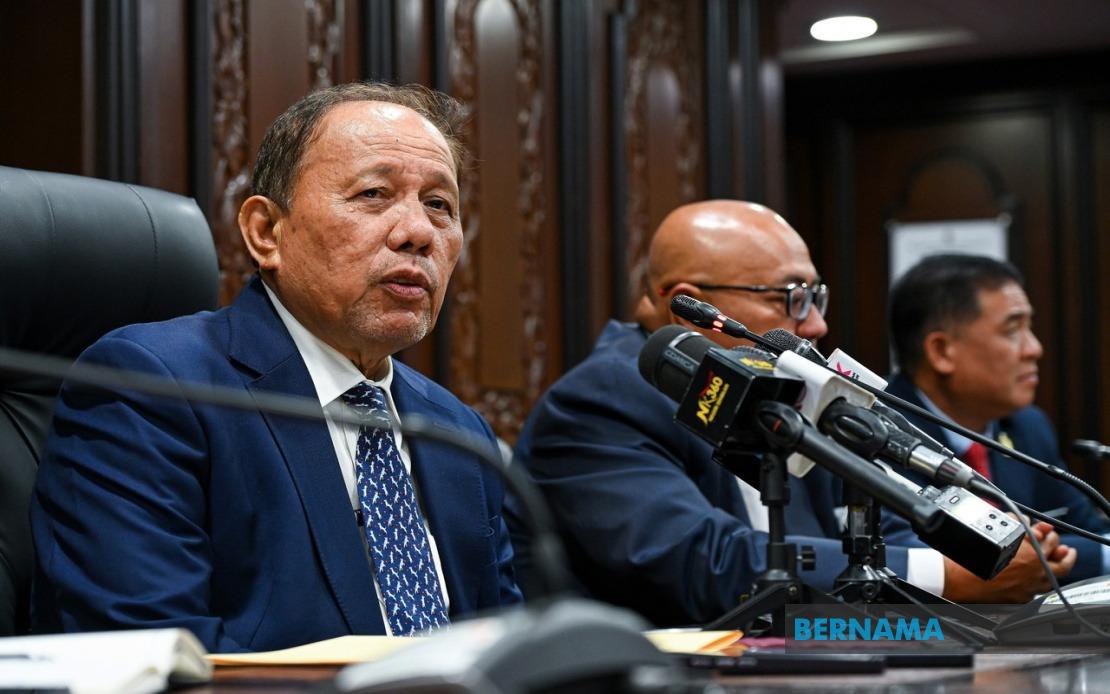
Negeri Sembilan residents will see no increase in their residential assessment tax bills for the next five years, the state's new Menteri Besar Datuk Ismail Lasim announced during his first executive council meeting on August 10. The decision, made during the State Executive Council gathering in Seremban, represents a significant cost-of-living measure aimed at providing relief to homeowners across the state during a period of rising household expenses.
The tax freeze applies to residential properties across all local authorities in Negeri Sembilan. Though local government bodies had been preparing studies on potential rate increases that were scheduled to take effect as early as January or July, the state government has prioritised relief over revenue expansion. Ismail clarified that assessment tax collection will continue, but the rates themselves will remain static throughout the five-year period, ensuring predictability for household budgeting.
This commitment squares with Barisan Nasional's manifesto pledges made during the recent 16th Negeri Sembilan State Election. The announcement underscores the incoming administration's focus on reducing the financial pressures facing ordinary Malaysians, particularly in a climate where property owners already contend with rising maintenance costs, utilities, and other essential services. For many middle-income families in the state, assessment tax represents a significant recurring expense, making the freeze a tangible political outcome.
The context matters significantly for understanding the move's broader implications. Assessment taxes fund critical local government services including waste management, street maintenance, security, and community development. By forgoing rate increases, the state government is essentially banking on improved efficiency, reduced operational costs, or acceptance of slower service expansion rather than revenue growth. This approach carries medium-term fiscal trade-offs that local authorities and state planners will need to navigate carefully.
Menteri Besar Ismail emphasised that the decision reflects his administration's commitment to easing the public's financial burden during economically challenging times. The statement came as part of his broader address outlining the government's operational direction, signalling that cost-of-living concerns will remain central to policy-making. The move may also serve as a political differentiation point in a state where fiscal management and service quality remain contested issues among voters.
The state government has scheduled its First Special Session of the 16th State Legislative Assembly for August 18, when formal constitutional proceedings will take place. During this sitting, all state assemblymen will take their oaths, while the assembly will appoint both a Speaker and Deputy Speaker. The Speaker position will be filled by someone outside the assembly's membership, while the Deputy Speaker must be a current state assemblyman. Ismail indicated that candidates have been identified for both roles, with an announcement on the Deputy Speaker expected within the following week.
The August 18 sitting will also table an additional state budget, intended to address pressing financial requirements that have emerged during the transition to the new administration. This supplementary budget reflects the new government's early assessment of resource needs and operational priorities. Such budgetary matters typically include allocation for essential services, development projects, and administrative expenses that couldn't wait until the regular budget cycle.
Ismail used the opportunity to set clear expectations for his executive council members, stressing that portfolio holders must demonstrate unwavering dedication, integrity, professionalism, and commitment in their respective roles. His message emphasised unified administration, with each Exco member providing decisive leadership within their domain while ensuring departmental and agency alignment with broader state government objectives. This emphasis on team cohesion and individual accountability suggests the Menteri Besar intends to maintain tight control over government operations and delivery.
The structural emphasis on departmental alignment and coordinated governance reflects a recognition that state government effectiveness depends on integrated policy implementation across multiple portfolios. In Malaysia's federal system, state governments must coordinate horizontally with local authorities and vertically with federal agencies, making internal coherence essential for translating policy intentions into tangible outcomes. Ismail's message signals that his administration will prioritise streamlined implementation and reduced bureaucratic friction.
For Malaysian readers, particularly those in Negeri Sembilan, the assessment tax freeze addresses a recurring household expense that directly affects disposable income. The five-year horizon provides genuine planning certainty for homeowners, though the sustainability of such a commitment depends on the state government's ability to manage expenses and potentially increase revenues through other mechanisms. The announcement also reflects how newly elected administrations often use initial decisions to build political goodwill and establish governing priorities.
The broader regional significance lies in how states tackle cost-of-living pressures through fiscal policy. As property ownership costs climb across Malaysia, residential assessment taxes have become an increasingly visible household burden. Negeri Sembilan's approach—freezing rates rather than raising them—contrasts with other states' approaches and may influence public expectations elsewhere. Whether other states follow suit, or whether Negeri Sembilan faces future pressure to reverse the freeze, will provide important indicators of how sustainable such commitments prove under budgetary pressure.

