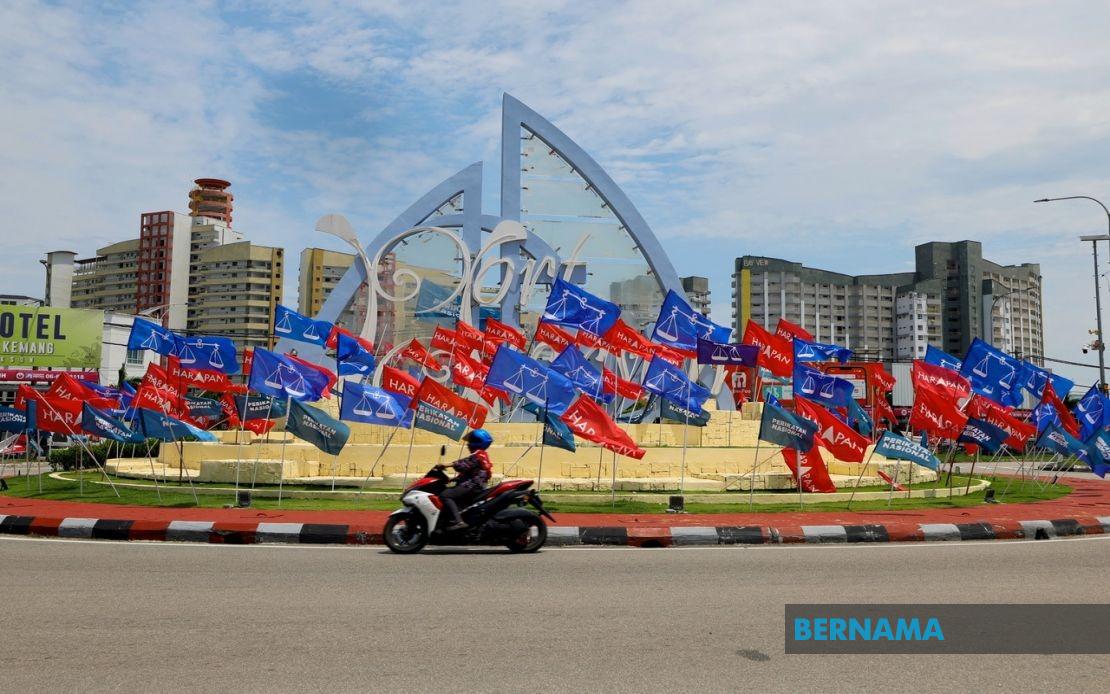
Negeri Sembilan voters heading to the polls tomorrow can expect fair weather during morning hours, though the Malaysian Meteorological Department warns of a dramatic shift to heavy rain and thunderstorms by afternoon. The forecast represents a mixed blessing for poll day logistics, with clear conditions potentially aiding voter turnout in the opening hours before deteriorating conditions may affect participation later.
The 16th Negeri Sembilan state election will unfold across all seven districts of the state—Seremban, Jempol, Jelebu, Kuala Pilah, Tampin, Port Dickson and Rembau—under these weather conditions. Metropolitan and rural areas alike will experience mostly sunny skies from morning through noon, according to MetMalaysia's latest projections. However, meteorological officials anticipate that afternoon downpours and potential electrical storms will blanket the majority of the state, necessitating contingency planning for both election officials and voters who may be deterred by deteriorating conditions.
Election operations will proceed uninterrupted regardless of afternoon weather, with 401 polling stations opening simultaneously at 8 am and closing at 6 pm. These voting venues span schools, community halls and tertiary institutions across the state, providing distributed access for the electorate. Electoral authorities will have concluded operations by the time the heaviest precipitation is expected, though organizers will likely prepare for wet conditions during afternoon polling hours and potential voter flow challenges if storms arrive earlier than anticipated.
Approximately 867,151 ordinary voters are registered to participate in tomorrow's election, selecting representatives from among 103 candidates contesting the 36 available state seats. This substantial electorate reflects Negeri Sembilan's demographic span and represents a significant civil exercise for the state's political future. The registered voter base suggests moderately competitive turnout scenarios, with both clear morning conditions and afternoon storms potentially influencing participation patterns and overall voting distribution throughout the day.
Pakatan Harapan's decision to contest all 36 seats reflects the coalition's attempt to maximize territorial gains following recent political realignments in Malaysia. The ruling coalition's comprehensive contestation strategy contrasts with Barisan Nasional's participation in 25 seats, suggesting either strategic pullbacks or coordination arrangements in specific constituencies. Barisan Nasional's selective approach may indicate confidence in particular strongholds or recognition of competitive disadvantages in others, a calculation that party leadership has made ahead of polling day.
Bersatu's fielding of 24 candidates positions the party as a substantial competitor across most of the state, reflecting its transformation into an increasingly independent political force within Malaysian politics. The party's near-comprehensive presence signals ambitions to capture significant legislative representation, potentially fragmenting votes in multi-cornered contests. Perikatan Nasional's more modest fielding of 11 candidates suggests a targeted approach focusing on winnable constituencies, alongside four independent candidates seeking to represent their respective areas outside established coalition frameworks.
The presence of smaller parties and independent candidates—Barisan Jemaah Islamiah Semalaysia, Parti Orang Asli Malaysia and Parti Sosialis Malaysia each fielding single candidates—underscores the electoral landscape's complexity. These nominations reflect efforts by minority-focused organizations and ideologically distinctive parties to maintain political presence and articulate distinct platforms, even where electoral success may prove limited. Their participation enriches voter choice, though the resulting multi-candidate contests may fragment support and influence final seat distributions.
For Malaysian and Southeast Asian observers, the Negeri Sembilan election provides a significant data point regarding contemporary coalition politics and voter preferences post-2023 federal elections. State-level contests frequently signal shifting sentiment and emerging political realignments before federal polls, making tomorrow's results potentially indicative of broader national trends. The composition of winning candidates and vote shares will be closely analyzed for clues about electoral momentum, particularly regarding Pakatan Harapan's viability and Barisan Nasional's recovery trajectory.
Weather's potential impact on the election deserves particular attention given Malaysia's tropical climate patterns and voter psychology. Morning sunshine typically encourages earlier voting, distributing the electorate across the full operating window and reducing crowding at polling stations. Afternoon storms, conversely, may suppress late-day participation and compress voting into earlier hours, potentially creating bottlenecks and affecting overall turnout percentages. Electoral management authorities will monitor conditions closely and may activate weather contingency protocols should storms prove more severe than currently forecast.
The competitive field across all constituencies suggests closely contested outcomes in multiple seats, with coalition fragmentation potentially determining results in marginal races. Voters selecting among multiple candidates from various coalitions will weigh local constituency issues alongside state-level governance priorities. The electorate's ultimate choice will shape Negeri Sembilan's direction for the ensuing state legislative term and may provide important signals regarding coalition viability ahead of future federal elections scheduled within coming years.

