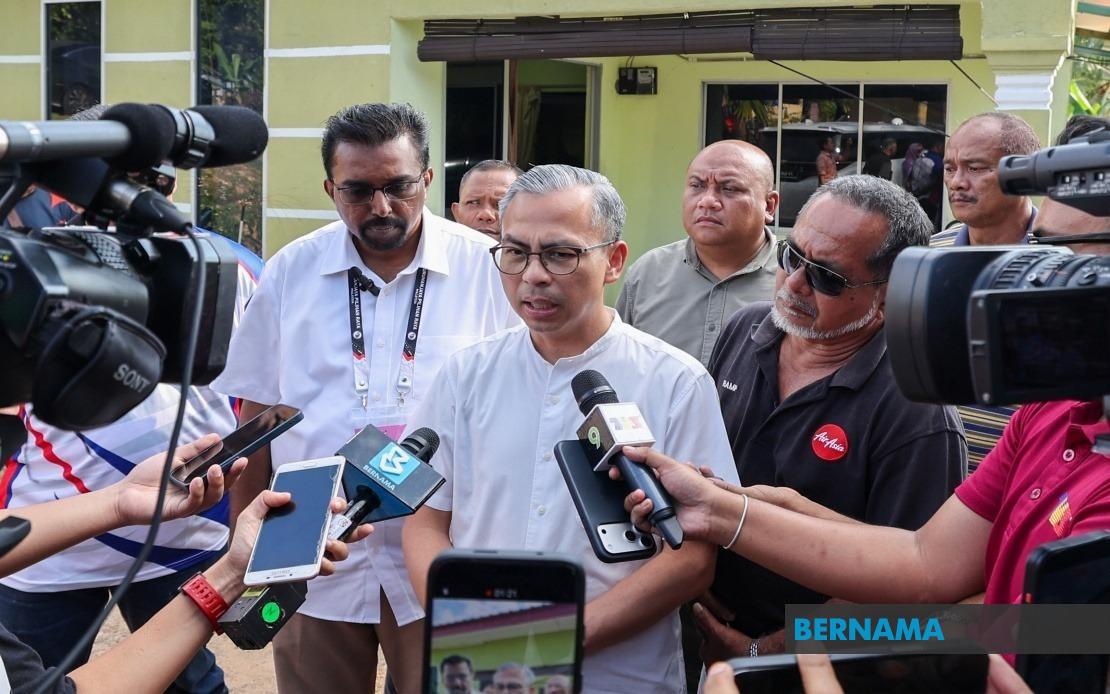
The Negeri Sembilan state election campaign has generated remarkably few complaints about social media conduct during its opening week, according to Communications Minister Datuk Seri Fahmi Fadzil, suggesting that efforts to monitor online political discourse are bearing fruit. Speaking in Jempol on July 23, Fahmi disclosed that the Malaysian Communications and Multimedia Commission has received merely 16 complaints since campaigning commenced, a figure that underscores relative compliance with election guidelines in the digital sphere during Malaysia's state-level contests.
Of these submissions to MCMC, fourteen centred on telecommunications connectivity problems rather than electoral misconduct, leaving just two complaints concerning the creation of fraudulent social media accounts. This breakdown reveals that the primary concerns exercising the commission's attention are technical infrastructure gaps rather than deliberate attempts to manipulate public opinion through false identities or disinformation campaigns, a distinction that carries important implications for how regulators should allocate resources during future electoral periods.
Fahmi nonetheless cautioned the electorate to remain vigilant and report suspected violations of election law or platform terms of service directly to social media operators, with escalation to MCMC reserved for instances where platforms decline to act appropriately. This guidance reflects the multi-layered approach Malaysian authorities have adopted toward digital governance, one that encourages corporate responsibility while maintaining governmental oversight capacity. The minister's emphasis on public participation in monitoring suggests recognition that grassroots reporting often proves more effective than top-down surveillance in identifying genuinely problematic content.
With campaigning at the six-day mark and approximately seven to eight days remaining before polling, Fahmi characterised the situation as orderly thus far. However, he sounded a note of concern regarding the final stretch of the campaign, when elections historically experience intensified online activity and heightened risk of false narratives proliferating unchecked. The final 72 to 96 hours typically witness dramatic increases in social media engagement, he warned, presenting a critical window during which the dissemination of misleading information could influence voting behaviour if left unchecked.
The minister's observations carry particular resonance for Malaysian stakeholders given the country's recent experience with misinformation during electoral contests and the documented challenges platforms face in moderating content during high-stakes political moments. The concentration of activity in the campaign's dying hours creates a compressed timeframe for fact-checking and corrective measures, potentially amplifying the impact of false claims despite their eventual debunking. This pattern underscores why many election monitoring experts argue for enhanced preparedness during these critical final days, when authentic oversight becomes most difficult but potentially most consequential.
Beyond social media governance, Fahmi addressed pressing connectivity deficiencies discovered during a visit to Felda Palong 1, where his inspection revealed that internet coverage gaps were predominantly situated along main access roads servicing the settlement rather than within residential clusters themselves. This distinction matters significantly for residents' ability to access online services, conduct business, and participate in the digital economy without artificial geographic barriers. The minister characterised poor connectivity as not merely an inconvenience but a genuine safety hazard during emergencies when reliable communication infrastructure proves essential for coordinating rescue operations and disseminating critical information.
Fahmi issued urgent instructions to MCMC to rectify these coverage shortfalls, framing universal internet access alongside roads as a foundational principle that modern Malaysia should guarantee. His statement reflects growing recognition among policymakers that digital infrastructure constitutes essential public goods rather than luxury services, particularly in rural and semi-rural areas where commercial incentives alone have proven insufficient to attract telecommunications investment. The declaration that "wherever there is a road, there should be internet access" articulates a standard that, if systematically implemented, would substantially expand digital inclusion across the country.
The telecommunications sector's progress in implementing network sharing arrangements remains underwhelming despite a memorandum of understanding signed last year, Fahmi observed, suggesting that contractual commitments alone cannot overcome structural barriers to infrastructure rollout. Companies have not accelerated deployment with sufficient urgency to address coverage gaps in populated regions, necessitating government intervention to establish timelines and accountability measures. This pattern reflects a broader tension in Malaysian infrastructure policy between relying on private sector efficiency and accepting that certain investments require direct governmental involvement or stronger regulatory pressure.
Multiple approaches to closing connectivity gaps have been identified and are under consideration. Construction of new telecommunications towers represents the conventional solution but typically entails lengthy planning, site acquisition, and permitting processes. Optimisation of existing infrastructure offers quicker gains through improved signal strength and coverage from currently underutilised assets. Telecommunications companies have also been directed to evaluate satellite services, including Starlink, as interim mechanisms for bridging connectivity deficits while terrestrial infrastructure development proceeds—an acknowledgment that emerging technologies may prove valuable in supplementing traditional approaches to rural telecommunications.
Fahmi additionally called upon telecommunications providers to strengthen customer complaint systems by incorporating artificial intelligence tools that allow subscribers to track the status of their submissions in real time. This modernisation of feedback mechanisms aims to increase transparency and responsiveness to subscriber grievances, addressing longstanding frustrations with opaque complaint processes where customers struggle to determine whether their concerns are being addressed. Digital feedback tracking also generates useful data about problem patterns that can inform infrastructure prioritisation decisions.
The Negeri Sembilan election will proceed to polling on August 1, with early voting scheduled for July 28, providing final opportunities for voters to participate before the campaign concludes. As campaigning enters its more intense phases, the monitoring standards Fahmi has outlined will be tested against the increased digital activity typical of election finales. The performance of oversight mechanisms and the quality of campaign conduct during this critical window will offer valuable lessons for future Malaysian elections at state and federal levels.

