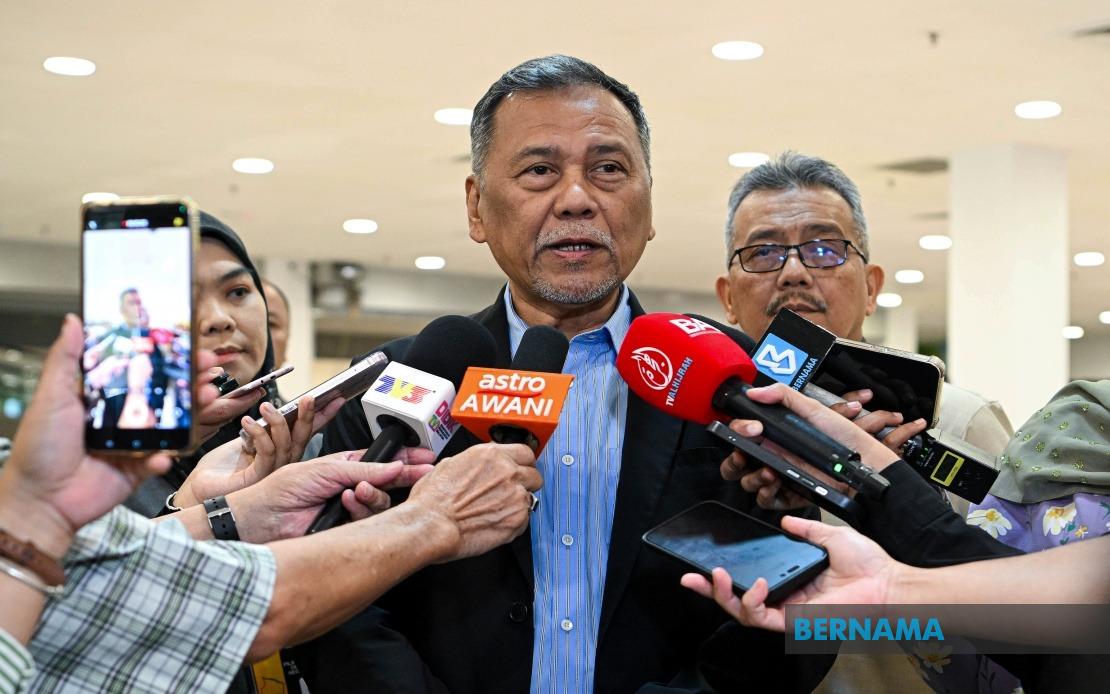
Tomorrow's nomination process for the Negeri Sembilan state election will test the readiness of the electoral machinery, with Election Commission chairman Datuk Seri Ramlan Harun confirming that preparations have reached an advanced stage. However, figures released in Seremban on July 17 reveal a cautious uptake among prospective candidates, with only 70 of those who purchased nomination forms having completed deposit payments so far. The deadline for these payments coincides with the close of nominations tomorrow, placing pressure on remaining contestants to finalise their commitments without delay.
The distribution of 464 nomination forms across the 36 state constituencies indicates reasonable early interest in the contest, yet the deposit submission rate suggests many candidates are still deliberating their candidacies or managing administrative arrangements. Ramlan's appeal for early payments reflects the logistical complexities involved in processing large numbers of candidates within compressed timeframes. The nomination period itself spans just one hour, beginning at 9 am and concluding at 10 am, demanding that all administrative bottlenecks be cleared well beforehand to prevent congestion or procedural delays.
The Election Commission has deployed a centralised nomination structure based on parliamentary constituencies rather than state constituencies, a departure from the approach taken during the recent Johor state election. This consolidation will see 761 EC officers stationed across eight nomination centres, each aligned with the state's eight parliamentary boundaries. The rationale centres on operational efficiency and adaptability to local conditions, allowing better coordination while accommodating the physical infrastructure available in each region. Seremban City Council's facilities have been designated as the headquarters for processing nominations across Lenggeng, Nilai, Lobak, Temiang, Sikamat and Ampangan constituencies, signalling the concentration of administrative functions in the state capital.
Full rehearsal sessions conducted across all nomination centres this morning underscore the Commission's commitment to flawless execution on polling procedures. These dry runs serve multiple purposes: they identify potential bottlenecks, familiarise officers with their assigned roles, and test communication protocols between nomination centres and returning officers. The announcement of eligible candidates will follow immediately after the nomination period closes, a compressed timeline that demands absolute precision from election staff to verify documentation, confirm deposit payments and assess candidate eligibility against statutory requirements.
The electoral roll updated as of June 4, 2026 has registered 889,490 eligible voters across Negeri Sembilan, comprising 867,151 ordinary voters alongside 16,884 military personnel and their spouses, and 5,455 police officers designated as early voters. This electorate size, while substantial, is considerably smaller than Johor's, which may explain the adaptation of the Commission's nomination methodology. Early voting is scheduled for July 28, allowing the security forces and their families to cast ballots three days before the general voting date of August 1, ensuring their participation despite operational deployments.
Security remains a paramount concern as the nomination and campaign periods commence. Ramlan has issued explicit reminders to political parties and their supporters regarding the prohibition of provocative conduct, emphasising that election harmony depends on collective adherence to behavioural norms. The arrival of multiple candidates and their campaign teams at nomination centres, combined with partisan supporters, creates potential flashpoints that require careful management. The Election Commission's emphasis on early arrival and orderly conduct reflects lessons learned from previous electoral contests where logistical strain bred unruly scenes.
Campaign discipline has also been highlighted as essential, with political parties reminded of their obligations to comply with electoral regulations throughout the election period. Common election offences—including unlicensed campaigning, defamation, bribery and intimidation—carry potential legal consequences that parties would be prudent to avoid. The concentration of nominations in a single hour tomorrow makes the adherence to procedural rules even more critical, as the returning officers' decisions on candidate eligibility cannot easily be revisited once the nomination period closes.
The dissolution of the Negeri Sembilan State Legislative Assembly on June 5, following the Yang Dipertuan Besar Tuanku Muhriz Tuanku Munawir's consent, initiated the electoral timeline that culminates in the August 1 polling day. This sequence provides a standard campaign period of roughly two weeks, sufficient for candidates to establish platforms and reach voters through established media channels and grassroots engagement. The compressed timeline contrasts with some previous Malaysian elections and places emphasis on digital communication and efficient resource deployment by contesting parties.
Political dynamics in Negeri Sembilan remain competitive following the 2023 state election, in which Pakatan Harapan secured 17 of 36 seats, Barisan Nasional won 14 seats, and Perikatan Nasional captured five seats. The composition of the incoming state assembly may depend heavily on swing constituencies and the performance of candidates from these coalitions in engaging voters during the campaign period. The availability of only 70 confirmed candidates so far suggests that nominations tomorrow may reveal clearer contours of which parties are fielding full or partial slates across the state.
For Malaysian voters and election observers, the Negeri Sembilan contest represents an early assessment of electoral sentiment in the peninsula's central region. The state has traditionally occupied a moderate position within Malaysian politics, and the outcome may signal broader trends affecting confidence in incumbent administrations or appetite for political change. The successful execution of tomorrow's nomination process will set the tone for whether the subsequent campaign period maintains the procedural integrity and competitive fairness that democratic elections demand.

