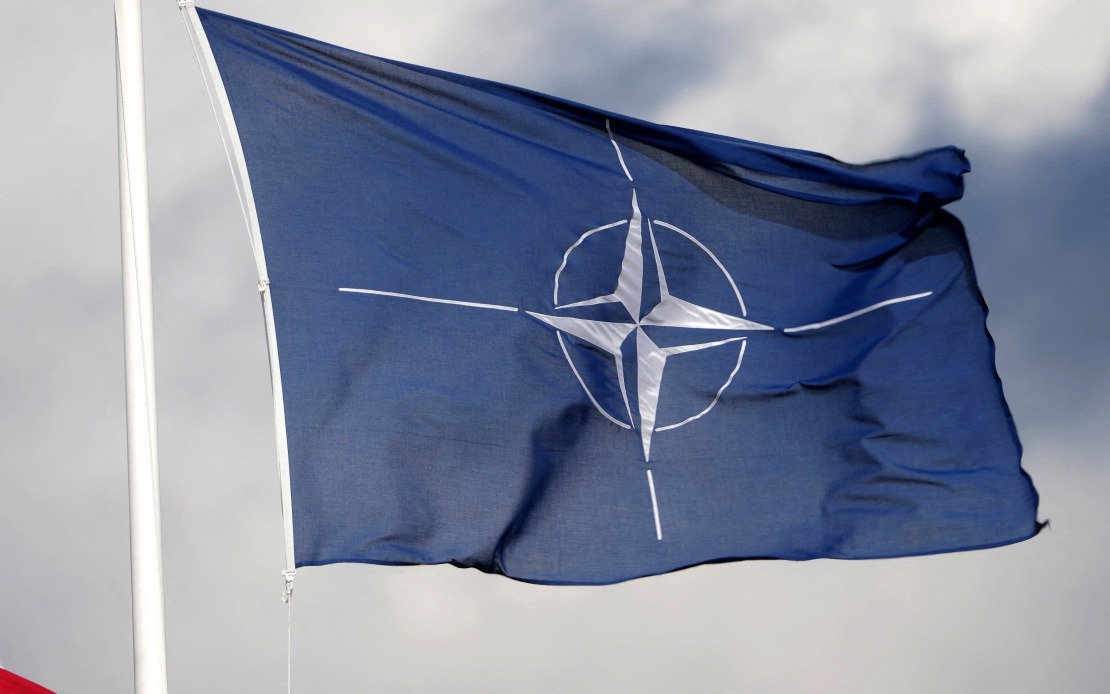
NATO's 32 member states are positioned to surpass US$1.8 trillion in collective defence spending by 2026, marking a substantial acceleration in military investment across the transatlantic alliance. This projection, based on figures released by NATO this week, reflects mounting security concerns and the alliance's commitment to strengthen deterrence in response to emerging geopolitical challenges. The anticipated expenditure represents an 11 per cent rise from the estimated US$1.63 trillion allocated in 2025, signalling intensified momentum in the defence spending trajectory across member nations.
The surge in military budgets stems directly from decisions taken at The Hague summit last year, where alliance leaders established ambitious targets for future defence investments. These commitments underscore NATO's determination to enhance collective security and operational readiness at a time when regional tensions and evolving security threats demand greater attention and resources. For Southeast Asian observers, NATO's spending expansion carries implications for global defence markets, technology partnerships, and the broader balance of military capabilities that shape international relations.
The United States continues to shoulder the lion's share of NATO's defence burden, with projections placing American spending at approximately US$1.03 trillion in 2026. This figure alone accounts for roughly 57 per cent of the entire alliance's military expenditure, demonstrating the extent to which transatlantic security relies on American military investment. While this concentration of spending power reflects America's dominant economic position and global military presence, it also raises questions about burden-sharing and the sustainability of current defence architecture within the alliance structure.
European members are demonstrating measurably increased commitment to defence self-reliance. Germany, NATO's largest European military spender, is projected to allocate approximately US$147 billion toward defence in 2026, positioning it firmly as the alliance's second-largest contributor. The United Kingdom follows with anticipated spending of US$110 billion, while France is expected to invest US$80 billion, Italy US$57 billion, and Poland US$53 billion. These figures reveal a significant shift in European defence priorities, particularly among Central European nations increasingly focused on bolstering military capabilities amid regional security dynamics.
Canada is estimated to contribute US$52 billion to NATO's collective defence efforts, while Türkiye's projected spending stands at US$48 billion. This distribution of military resources across the alliance reflects diverse strategic priorities and geographical positions within NATO's membership. Nations bordering Russia or facing other acute security challenges have accelerated their defence investments, while others have steadily increased commitments to meet alliance targets and demonstrate solidarity with collective security commitments.
Several NATO members are pushing beyond the established benchmarks. Five countries—Lithuania, Estonia, Latvia, Poland, and Greece—are projected to exceed 3.5 per cent of their gross domestic product in core defence spending during 2026, surpassing the threshold agreed upon by alliance leaders at The Hague summit. This achievement reflects these nations' acute security perceptions and determination to maintain robust defence capabilities, particularly among Baltic and Eastern European states that view enhanced military strength as essential to deterrence and national security.
The alliance-wide average for core defence spending is anticipated to reach 2.86 per cent of GDP by 2026, approaching the 3.5 per cent benchmark that alliance members have committed to achieving. This average masks significant variation across the membership, with some nations already at or exceeding targets while others remain below the threshold. The trajectory suggests that the majority of NATO members are increasingly aligned with the alliance's collective ambitions to strengthen deterrence capabilities and ensure credible security guarantees.
The Hague summit established an even more ambitious long-term framework, with NATO members pledging to invest five per cent of GDP in total defence and defence-related spending by 2035. This comprehensive target encompasses 3.5 per cent for core military defence and 1.5 per cent for broader security investments encompassing critical infrastructure protection, cyber resilience, civilian emergency preparedness, and defence innovation. This multifaceted approach recognises that contemporary security challenges extend beyond traditional military domains into technological, economic, and infrastructural spheres.
For Malaysia and other Southeast Asian nations, NATO's expanding defence budgets carry indirect but significant implications. Increased military spending in Europe may redirect defence procurement patterns, influence arms transfers to other regions, and shape international defence technology development. Additionally, NATO's emphasis on innovation and emerging security challenges provides benchmarks for regional defence strategies. The alliance's focus on resilience and critical infrastructure protection aligns with growing Southeast Asian concerns regarding cyber threats, supply chain vulnerabilities, and infrastructure security.
The defence spending surge also reflects NATO's assessment of persistent threats and strategic competition. Rather than representing temporary measures, these escalating budgets suggest the alliance views enhanced military investment as a sustained requirement. This outlook influences global defence markets, military procurement timelines, and the trajectory of military-industrial development across allied nations. For countries engaged in regional security partnerships or evaluating their own defence postures, NATO's collective rearmament signals the international community's commitment to addressing security challenges through substantial resource commitment.
The distributional pattern of spending across NATO members reveals evolving geopolitical realities. Eastern European nations' rapid defence acceleration reflects genuine security perceptions regarding their own borders. Western European nations' increased commitments demonstrate recognition that European security cannot rely indefinitely on American military dominance alone. This rebalancing within NATO reflects broader adjustments in international relations, where traditional security assumptions face revision in light of contemporary strategic challenges and power dynamics.
Looking forward, the pace of NATO defence spending growth will likely persist through 2026 and beyond, contingent on geopolitical developments and members' perception of external threats. The alliance's formal commitment to five per cent spending targets by 2035 provides clarity for defence planners and defence contractors anticipating sustained demand for military capabilities. This extended planning horizon enables systematic modernisation, technological advancement, and capacity building across the alliance membership. For regional observers in Southeast Asia, monitoring NATO's military modernisation trajectory offers insights into global defence trends and emerging technologies that may eventually influence regional security dynamics and defence procurement patterns.

