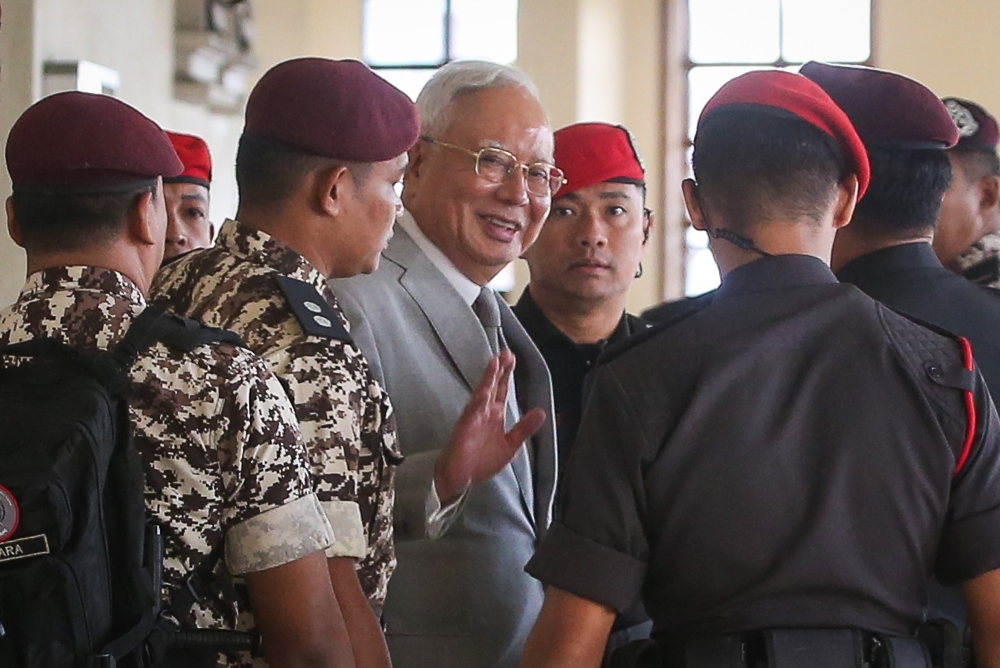
Former Prime Minister Datuk Seri Najib Razak is scheduled to receive a heart procedure at Serdang Hospital in Selangor next week, his office confirmed on Wednesday. The announcement adds to the public record of the Pekan MP's ongoing health management, which has been occasionally disclosed during his tenure in office and in the years following his departure from the highest political post.
The procedure represents a routine cardiac intervention, with medical professionals at the major government facility overseeing the treatment. Serdang Hospital, located in the Selangor district, functions as a tertiary care centre and is equipped to handle complex cardiovascular cases. The timing of the announcement demonstrates the customary transparency many Malaysian political figures maintain regarding significant medical appointments, particularly those affecting their public duties and parliamentary responsibilities.
Najib's health trajectory has been a matter of periodic public interest, especially given his prominence in Malaysian politics and his continued active role in parliament. The former premier served as Malaysia's sixth Prime Minister from 2009 to 2015, overseeing a period marked by significant economic and political developments. His subsequent years have involved navigating legal proceedings and maintaining his position as a Member of Parliament, roles that carry substantial public scrutiny and demand sustained physical resilience.
The cardiac intervention scheduled at Serdang represents a proactive approach to health management among senior political figures in Malaysia. Cardiovascular procedures have become increasingly routine in the country's health system, with advances in minimally invasive techniques reducing recovery periods and allowing political figures to resume their duties relatively quickly. The choice of a government hospital underscores the accessibility of quality medical care within Malaysia's public healthcare infrastructure.
For parliamentary observers and political analysts, the timing of such medical procedures often intersects with legislative schedules and political calendars. Najib's temporary absence from parliamentary duties during recovery will be manageable given the structured nature of parliamentary sessions and the availability of paired voting mechanisms that allow MPs to accommodate personal commitments. His continuing parliamentary presence remains significant within the context of Malaysian opposition politics and legislative proceedings.
The announcement reflects broader patterns in how Malaysian political leadership manages transparency around personal health matters. Unlike some international contexts where health information remains strictly private, Malaysian political culture typically permits reasonable disclosure of major medical interventions, balancing constituent interest with personal privacy. This approach has become institutionalised across multiple administrations and political parties, creating an expectation of candid communication regarding significant health developments.
Serdang Hospital's involvement in this case highlights the continued reliance of Malaysia's prominent citizens on public healthcare facilities for specialist treatment. The institution has developed considerable expertise in cardiovascular care and houses state-of-the-art diagnostic and intervention equipment. Its selection for Najib's procedure speaks to the quality standards maintained within Malaysia's government hospital network, even as private healthcare options proliferate across the country.
The former premier's ongoing parliamentary role means his health status carries implications beyond personal welfare. As a serving Member of Parliament and figure within political discourse, his physical capacity to discharge legislative and representative duties remains relevant to constituent interests. The procedural intervention, while medically routine, thus occupies a space between personal medical confidentiality and public accountability that characterises Malaysian political practice.
From a healthcare perspective, the procedure occurs within Malaysia's established protocols for managing cardiovascular conditions among senior citizens. The country has invested substantially in cardiac care infrastructure over recent decades, positioning Serdang and comparable institutions among the region's capable medical centres. The availability of such facilities domestically reduces the need for overseas medical tourism among Malaysia's political elite, a pattern that reflects broader improvements in the nation's healthcare ecosystem.
The recovery trajectory following such procedures typically spans several weeks, during which activity gradually normalises. Parliamentary arrangements will accommodate Najib's medical requirements, with established protocols allowing flexibility for members undergoing significant health interventions. His return to full parliamentary duties can be anticipated within a reasonable timeframe, consistent with contemporary expectations for post-procedural recovery in cardiovascular medicine.
This development arrives amid broader conversations within Malaysian politics regarding the wellbeing and succession planning within established political structures. Senior figures managing health conditions while maintaining active political roles raises questions about sustainability and institutional continuity. The transparency surrounding Najib's procedure contributes to these ongoing discussions about how Malaysian politics addresses the reality of ageing leadership cohorts and medical exigencies affecting political participation.

