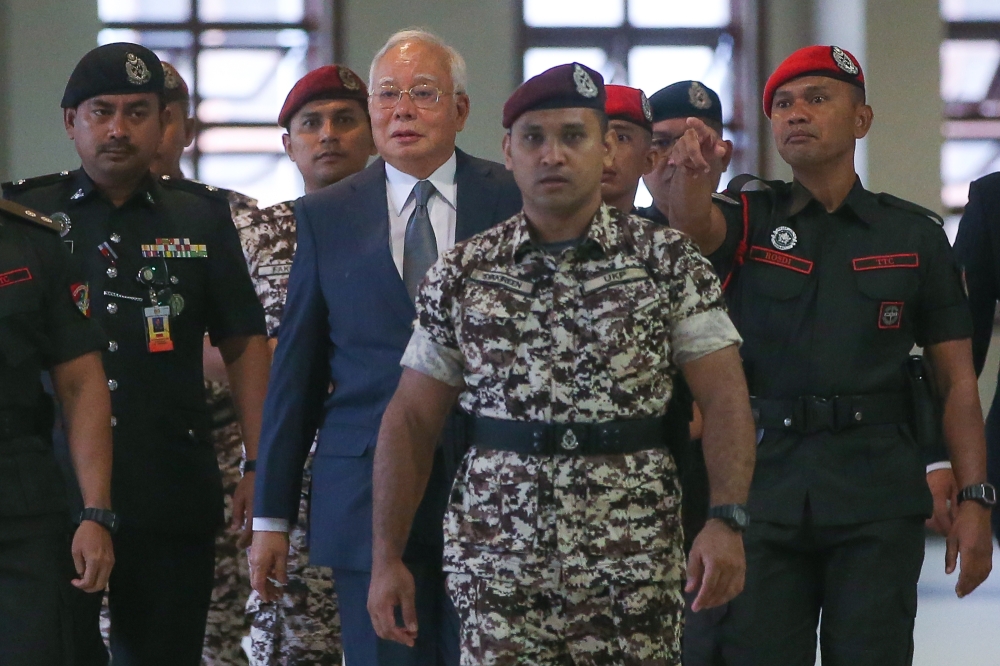
Former Prime Minister Datuk Seri Najib Tun Razak returned a sum of US$620 million to Saudi Arabia after the 2013 general election because he felt uncomfortable holding such a large amount of money, the High Court in Kuala Lumpur was informed during proceedings related to the high-profile 1Malaysia Development Berhad (1MDB) scandal. This explanation emerged during testimony presented in the case, which has remained one of the most significant political developments and financial investigations in Malaysia's recent history.
The funds in question had arrived in Najib's personal accounts in the months leading up to Malaysia's 13th general election, a period that coincided with heightened political activity and campaign preparations by the ruling coalition. According to the account presented to the court, the former premier decided that maintaining possession of such a substantial volume of foreign currency posed discomfort for him personally, though the specific nature of this discomfort was not elaborated upon in detail during the proceedings. The decision to repatriate the money reportedly came shortly after the electoral victory secured by Barisan Nasional in May 2013.
This disclosure provides additional context to the labyrinthine financial flows that have characterised the 1MDB investigation, which has gripped Malaysia for over a decade and resulted in multiple criminal charges against high-ranking officials and associates. The repatriation of these funds represents one attempt by Najib to manage the complex web of international transfers that prosecutors have scrutinised as part of their case. Malaysian authorities and international law enforcement agencies have traced numerous transactions involving 1MDB's coffers, examining how billions of ringgit allegedly disappeared from the sovereign wealth fund.
The testimony underscores the international dimension of the scandal, with funds flowing between Malaysia, the Middle East, and other jurisdictions. Saudi Arabia's involvement in these financial arrangements has been previously documented, though the precise nature of the relationship between Malaysian political leadership and Saudi financing arrangements has remained controversial. The return of such a substantial amount suggests that even within the circles handling these transactions, there were concerns about the visibility or sustainability of maintaining large overseas holdings.
For Malaysian observers of the unfolding legal proceedings, this revelation raises questions about the decision-making processes that governed the use of state resources and international relationships during the administration in question. The discomfort cited as the reason for returning the funds presents an intriguing counterpoint to allegations that substantial sums were diverted for personal benefit or political purposes. It suggests that at least at some juncture, there was recognition that maintaining such accumulations required careful consideration.
The High Court's examination of these financial transactions continues to dissect the mechanisms through which funds moved in and out of Najib's accounts, with forensic accountants and investigators providing detailed testimony about the origins and destinations of the money. Each layer of evidence presented contributes to the broader narrative that prosecutors are constructing regarding misappropriation and abuse of authority. For the defence, such testimony attempts to establish that transactions were conducted with legitimate justification and awareness of propriety.
Southeast Asian readers should note that this case resonates beyond Malaysia's borders, as it has implications for regional perceptions of governance, financial transparency, and the accountability of former leaders. The investigation has drawn international attention and cooperation from jurisdictions including the United States, Singapore, and Switzerland, demonstrating how the effects of alleged financial misconduct transcend national boundaries. The repatriation of funds to Saudi Arabia illustrates the cross-border complications that emerge when substantial sums are moved through international banking systems.
The explanation of discomfort as motivation for returning such a large sum may strike observers as unusual justification for a financial decision, yet it operates within the specific context of Najib's legal defence strategy. His legal team has consistently sought to present alternative narratives to the charges of criminal breach of trust and money laundering that he faces. This particular testimony contributes to that effort by suggesting that rather than attempting to conceal or permanently retain the funds, Najib took action to reduce his exposure to holding them.
As the trial progresses through various stages of evidence presentation, each disclosure provides Malaysian citizens and regional analysts with greater insight into the financial architecture that underpinned political administration during the period in question. The return of the US$620 million represents a transaction that occupies an important place in the chronology of 1MDB's development and eventual unravelling. Whether such testimony persuades the court of Najib's innocence or merely complicates the narrative remains a matter for judicial determination, but it certainly illustrates the scale and complexity of the financial flows under investigation.

