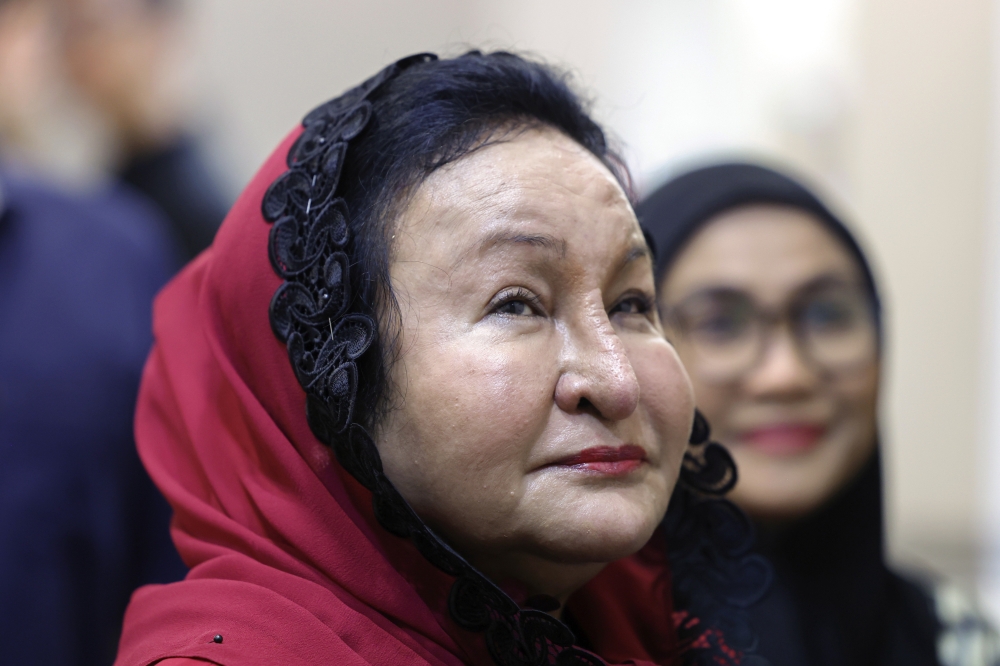
Former Prime Minister Datuk Seri Najib Razak will undergo a scheduled medical intervention to address plaque accumulation adjacent to a major blood vessel, according to an announcement made by his wife Datin Seri Rosmah Mansor. The procedure, which targets a vascular blockage, represents the latest health matter to affect the 71-year-old former leader who remains embroiled in multiple legal proceedings.
The timing of the announcement underscores the ongoing intersection between Najib's personal wellbeing and his high-profile legal battles. The former premier has been managing his health while navigating conviction-related matters that have kept him in the public spotlight for years. The disclosure by Rosmah provides insight into the current state of his medical condition, though specific details regarding the exact location of the blockage and the precise nature of the intervention were not fully elaborated.
Vascular procedures of this nature, commonly performed to clear arterial obstruction, are increasingly routine in modern medical practice. Such interventions aim to restore proper blood flow and reduce the risk of serious cardiovascular events. The choice to publicly announce the procedure suggests an attempt to maintain transparency about Najib's health status, potentially to address speculation or ensure public awareness of his medical obligations during his ongoing legal challenges.
For Malaysian political observers, the announcement arrives amid continued scrutiny of Najib's movements and commitments. His legal situation has required him to maintain regular court appearances and manage travel restrictions, adding complexity to his ability to seek medical treatment outside Malaysia if necessary. The scheduling of the procedure thus carries logistical implications for his legal calendar and public engagements.
Rosmah's role in communicating her husband's health developments reflects the couple's approach to managing their public image during a turbulent period. Since leaving office in 2018, the family has faced considerable judicial and public attention, with various legal matters consuming significant portions of their time and resources. Health-related announcements have occasionally punctuated their public statements, serving as reminders of the personal toll that prolonged legal proceedings can impose.
The broader context of political health disclosures in Malaysia reveals an evolving standard for transparency. Unlike previous eras when leaders' medical conditions remained largely private, contemporary Malaysian politics increasingly involves public health announcements. This shift reflects both changing media dynamics and public expectations for accountability regarding the health status of prominent figures, particularly those with ongoing legal responsibilities.
Vascular health issues carry particular significance for individuals of Najib's age and profile. The prevalence of cardiovascular conditions among senior citizens, coupled with lifestyle and stress factors, makes such procedures increasingly common. The fact that the blockage was detected and addressed proactively suggests regular medical monitoring, an approach befitting someone whose legal situation demands physical and mental stamina for courtroom proceedings.
From a healthcare perspective, the case highlights the importance of preventive medical care and early detection of arterial problems. Plaque buildup, or atherosclerosis, typically develops gradually over years and often remains asymptomatic until significant obstruction occurs. Modern imaging technology allows physicians to identify such blockages before they trigger acute events, enabling elective intervention rather than emergency treatment.
The announcement also underscores the reality that political leaders, regardless of their legal standing, remain entitled to medical care and privacy regarding treatment decisions. While Najib's legal matters remain matters of intense public interest, his health management exists in a separate sphere governed by medical ethics and confidentiality principles. This distinction between public accountability and personal medical privacy represents an ongoing tension in contemporary political discourse.
For the political landscape more broadly, Najib's continued presence and health management signal his intention to remain engaged with his legal defence and political rehabilitation efforts. His ability to maintain an active role in these matters depends partly on his physical capacity to do so. The scheduled procedure, therefore, carries significance beyond mere medical necessity—it represents a commitment to sustaining his involvement in processes that will likely shape his legacy and legal standing for years to come.
Rosmah's disclosure also reflects a family strategy of managing narrative around their circumstances. By announcing the procedure openly rather than allowing speculation, the family seeks to control the information environment surrounding Najib's activities and condition. This approach aligns with broader communication strategies employed by the former premier's camp to maintain public visibility and counter narratives they view as unfavourable.
Looking forward, the successful completion of this procedure would remove one complicating factor from Najib's legal and personal schedule. Assuming a straightforward operation and recovery period, his ability to continue participating fully in court proceedings and other commitments should remain unaffected. The announcement thus represents less a dramatic development and more a routine management of health matters that periodically affect individuals of advancing age, even those occupying the intensely scrutinised position of former national leader.

