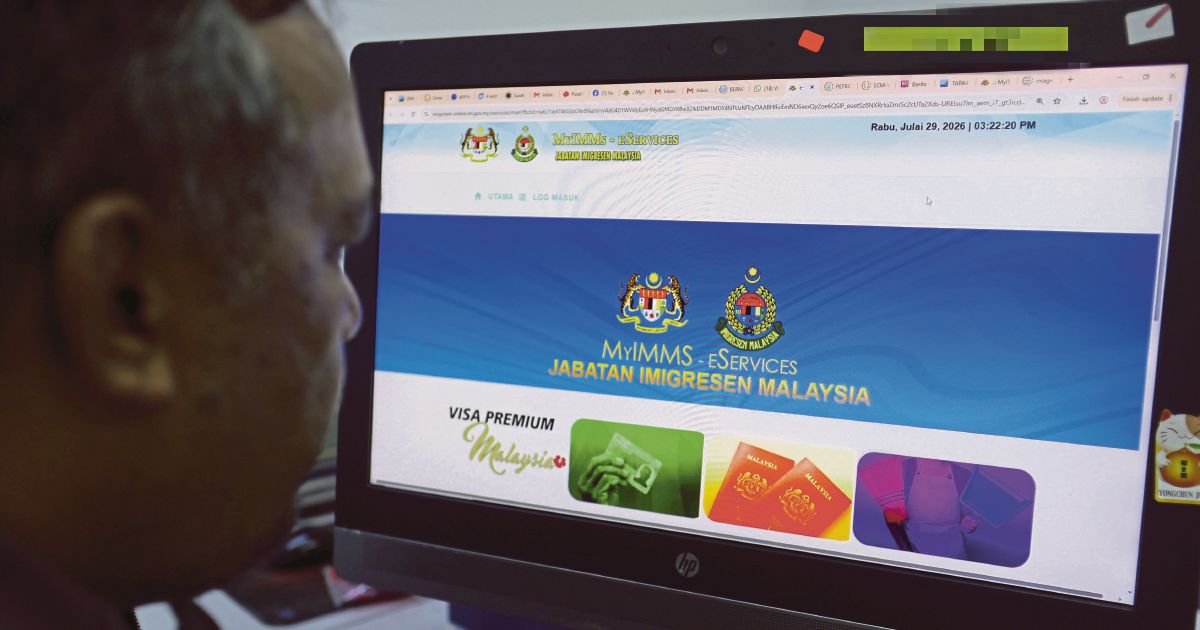
The alleged hacking and data manipulation affecting Malaysia's Immigration System represents a far more serious breach of national security than the conventional framing of cybercrime or corruption suggests, according to criminologists and security analysts examining the incident's implications for the country's institutional integrity.
The MyIMMs system serves as the backbone of Malaysia's immigration apparatus, processing millions of traveller records and managing the critical function of border management that directly impacts national sovereignty. When such a system becomes compromised, the consequences ripple well beyond the typical scope of data theft or financial crime that standard cybersecurity frameworks are designed to address. Instead, experts contend that the breach signals a fundamental vulnerability in how Malaysia protects its core administrative infrastructure from sophisticated attacks that could reshape migration patterns, enable unlawful entry, and undermine governmental control over who crosses national borders.
Understanding the distinction matters significantly for Malaysia's response strategy. Treating the incident primarily as a cybercrime case focuses investigative resources on perpetrators and prosecution within existing law enforcement structures. Addressing it as a national security matter, conversely, demands a comprehensive institutional review examining which foreign actors might benefit from immigration system chaos, how the breach occurred at such a critical juncture, and whether the manipulation extended beyond isolated incidents to represent systematic infiltration of governmental databases. This reframing compels serious consideration of espionage dimensions and geopolitical implications that cybercrime-focused responses might overlook.
The vulnerability exposed by the MyIMMs incident speaks to deeper structural weaknesses in how Malaysia safeguards sensitive administrative systems that directly affect public safety and border integrity. Immigration systems worldwide rank among the highest-value targets for malicious actors because successful manipulation enables human trafficking networks, facilitates entry of individuals with security risks, and can create chaos within a nation's migration control apparatus. For a country like Malaysia with complex labour migration patterns, significant transit traffic, and porous regional borders, the security implications become exponentially more serious.
Regional security experts note that Southeast Asia's strategic position in global shipping lanes and its role as a transit hub for international travel make immigration systems particularly vulnerable to coordinated attacks designed to destabilise multiple nations simultaneously. A breach affecting MyIMMs could theoretically impact not only Malaysia but also the broader regional security architecture, particularly if compromised data becomes accessible to trafficking networks, criminal organisations, or state actors with regional ambitions. The interconnected nature of ASEAN border cooperation means vulnerabilities in one nation's systems create cascading risks throughout the region.
The timing and sophistication of the alleged breach warrants particular scrutiny regarding whether this represents opportunistic cybercriminals exploiting system weaknesses or represents something more calculated. Distinguishing between these scenarios determines whether Malaysia faces a localised technical problem or a targeted operation aimed at undermining immigration controls. The former might suggest inadequate cybersecurity investment and internal negligence; the latter implies hostile intentions from actors who recognised an opportunity to compromise a critical national institution and capitalised on it methodically.
Treating this as a pure cybercrime matter also risks minimising the operational consequences of system manipulation. When immigration records become unreliable, border officials lose confidence in the fundamental tools they depend upon to make security decisions. A single compromised traveller file might generate suspicion across entire categories of records, effectively degrading the entire system's utility. This erosion of system integrity represents a form of institutional damage that extends beyond individual data breaches into the realm of strategic capability degradation.
The revelation also exposes gaps in Malaysia's information security governance, particularly regarding which agencies maintain oversight of critical systems and how effectively they coordinate responses to infrastructure threats. Immigration systems typically involve multiple government entities, from the Immigration Department to customs, intelligence agencies, and border security forces. When a system becomes compromised, determining responsibility, securing cooperation across jurisdictional lines, and implementing coordinated remediation becomes significantly more complex than a standard cybersecurity incident response.
For Malaysian citizens and businesses, understanding the implications matters considerably. Travellers relying on MyIMMs records may find their documentation questioned or status uncertain. Businesses dependent on the system for processing foreign workers face operational uncertainty. The breach undermines confidence in the fundamental governmental systems that facilitate movement across borders and enable economic activity dependent on international migration. This confidence deficit creates real economic and social consequences beyond the immediate security concerns.
Moving forward, Malaysian policymakers face a consequential choice about how to characterise and respond to this incident. A narrow cybercrime focus enables relatively quick containment and prosecution but risks perpetuating the institutional vulnerabilities that enabled the breach initially. A comprehensive national security approach demands sustained investment in system hardening, governance restructuring, and inter-agency coordination that extends well beyond traditional law enforcement responses. The decision between these approaches will shape not only how Malaysia addresses this particular incident but also how seriously it treats the broader challenge of protecting critical infrastructure from future sophisticated threats.
The MyIMMs breach ultimately serves as a wake-up call regarding the vulnerability of Malaysia's administrative infrastructure to determined adversaries. Whether this incident becomes a catalyst for fundamental institutional strengthening or merely a footnote in cybersecurity incident logs depends on how seriously policymakers and security leaders embrace the assessment that immigration system integrity represents a matter of national security requiring elevated attention and resources.

