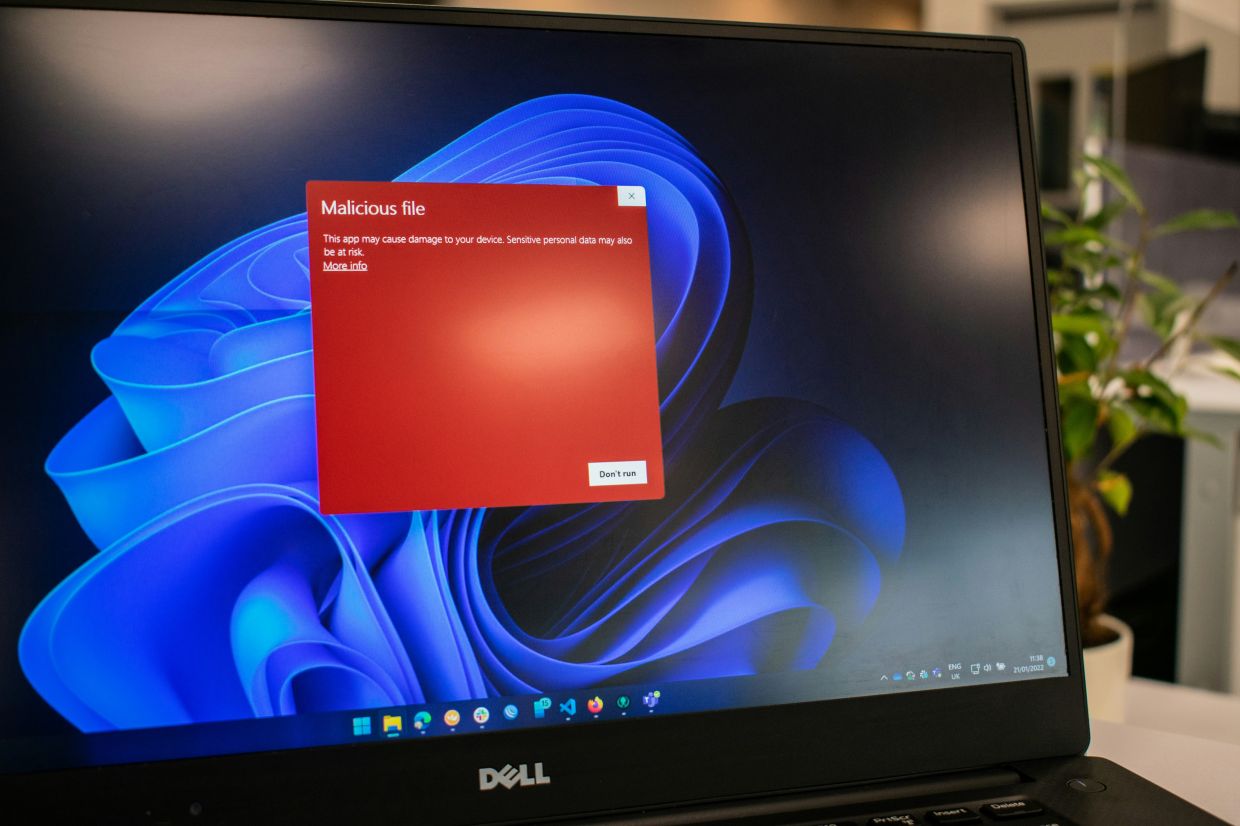
Malaysia's cybersecurity authority MyCert has raised the alarm over an active malware campaign being distributed through WhatsApp Web and Desktop platforms, with attackers specifically targeting Windows-based computers through deceptive social engineering tactics. The threat actors are deploying a sophisticated scheme whereby they contact potential victims with seemingly legitimate messages containing attachments that masquerade as financial or legal paperwork, a tactic designed to exploit user trust and urgency around money matters.
The malicious files employ a deliberate misdirection strategy, bearing names and extensions that suggest they are standard PDF documents, yet they actually function as Visual Basic Script (.vbs) executable files. Examples of filenames currently circulating include "Acknowledgment of Debt.vbs", "Sila semak bil anda.vbs", "December statement of account.vbs", and "Reconciliation.vbs". This naming convention is particularly insidious because it plays on the likelihood that Malaysian recipients will immediately assume these are routine financial statements or debt acknowledgement paperwork requiring their attention.
The mechanics of infection are straightforward but devastating. Once a user opens or executes one of these .vbs files, an automated script launches instantly without any further user interaction, immediately commencing the malware installation process on the compromised system. What makes this attack particularly dangerous is that there is often no visual indication to the user that anything harmful has occurred, allowing the infection to proceed silently while the victim remains unaware.
At the core of the malware's functionality lies a Remote Access Trojan, commonly abbreviated as RAT, which grants attackers comprehensive remote control over the infected computer. Once installed, this RAT persists even after the device is rebooted, meaning the attacker maintains an ongoing foothold on the system and can access it at will. This kind of persistent access is the hallmark of serious cybercrime operations and represents a fundamental compromise of device security.
The RAT's capabilities extend beyond mere remote control—it deliberately disables security prompts and notifications that would normally alert users to suspicious activity. This stealth enhancement allows the malware to operate covertly, conducting its malicious activities without triggering antivirus alarms or generating warnings to the device owner. The trojan can capture everything displayed on the screen or entered by the keyboard, meaning any typing activity, including passwords, banking PINs, and one-time passwords used for online banking, becomes visible to the attacker.
For Malaysian users and businesses relying on online banking and digital financial services, the implications are severe. The loss of banking credentials and OTPs would allow attackers to fraudulently access accounts and transfer funds, potentially causing significant financial losses within minutes. This is particularly concerning given the widespread adoption of online banking across Malaysia and the increasing sophistication of financial fraud operations targeting Southeast Asian markets.
MyCert's guidance emphasizes prevention as the primary defense mechanism. Users should absolutely avoid opening or executing any suspicious files received through WhatsApp, regardless of how legitimate the filename appears. Equally important is the instruction not to reply to suspicious messages, as doing so confirms to the attacker that the phone number is active and monitored, likely leading to further targeted attempts. Users who recognize such messages should report them directly to WhatsApp and to MyCert via the dedicated Cyber999 email address at [email protected], including screenshots, timestamps, and the sender's phone number.
For those who fear they may have already opened such a file, immediate action is critical. The device should be considered fully compromised and disconnected from the internet as quickly as possible to sever the attacker's remote access capability. This is particularly crucial if the device is connected to corporate networks, as the RAT could potentially be used as a stepping stone to infiltrate the entire organization. Corporate users must notify their IT departments immediately so that network-level monitoring and response can commence.
The recovery process is neither simple nor quick. All passwords for accounts that were accessed from the compromised device must be changed, using a separate, uninfected computer to do so. Any sensitive information—passwords, PINs, security questions, authentication codes—entered on the infected system should be considered exposed and treated accordingly. Standard antivirus scans are unlikely to detect or remove a RAT of this sophistication, meaning professional malware removal services will likely be necessary to properly cleanse the device and restore security.
This campaign highlights how effectively cybercriminals exploit cultural and contextual elements in their social engineering attacks. By using language and document types familiar to Malaysian users, and by leveraging the informal trust dynamics of messaging platforms like WhatsApp, attackers significantly increase their success rates. The use of Malay-language filenames in particular demonstrates that these are not generic global attacks but specifically targeted at Malaysian users and businesses.
The threat underscores the ongoing vulnerability of Windows systems to malware when users lack awareness or bypass security protocols. While operating system choices matter, the weakest link in this attack chain remains human judgment. Even the most robust technical defenses become irrelevant if users willingly execute malicious code. Organizations throughout Malaysia should use this alert as an opportunity to conduct security awareness training, emphasizing the dangers of unsolicited file attachments and the importance of verifying senders through alternative channels before opening documents.

