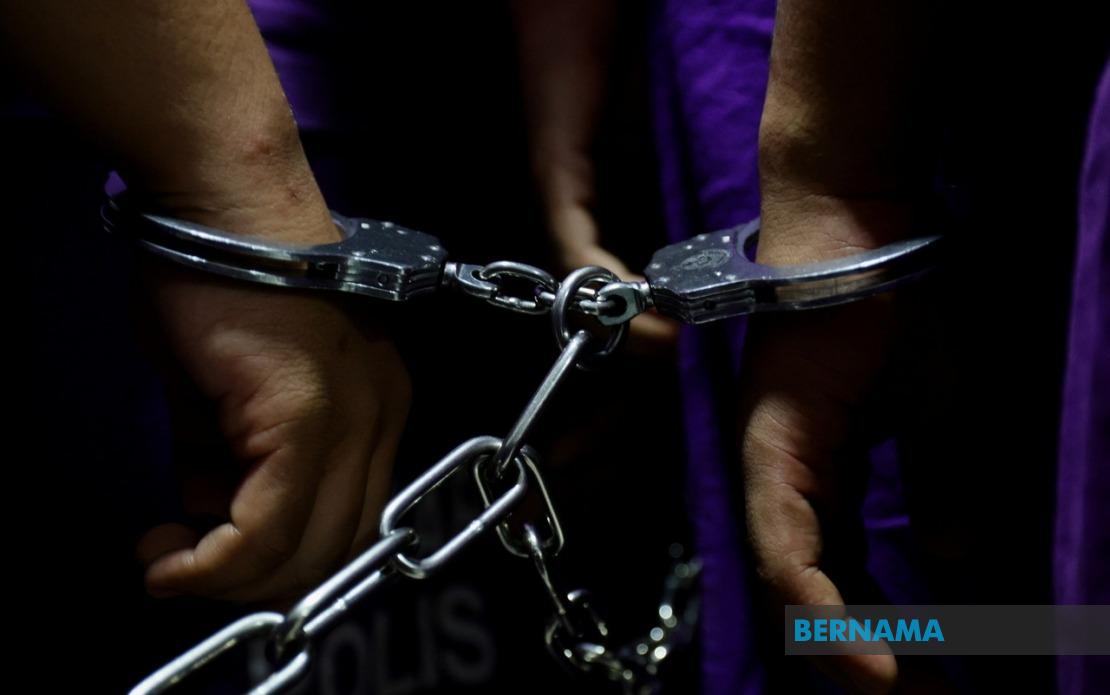
Law enforcement authorities in Myanmar's Mandalay region have concluded a significant investigation into a series of gold shop thefts, resulting in the arrest of 13 individuals comprising ten men and three women. The coordinated operation represents a notable success for security forces tackling organised jewellery theft across central Myanmar, an area known for its thriving precious metals trade.
The first incident under investigation centred on a robbery at the Millionaire Gold Shop located in Chanmyathazi Township on July 20. Six men were apprehended as primary suspects in this case, while a further five individuals were detained for their alleged involvement in planning and executing the heist. The arrests marked an important breakthrough in a crime that had rattled local business communities dependent on the retail jewellery sector.
During the initial raids following the Millionaire Gold Shop robbery, authorities recovered a substantial cache of items suggesting the scope and sophistication of the criminal operation. The seized materials included more than 42 ticals, approximately 0.7 kilogrammes, of gold jewellery and cash, indicating that the suspects had successfully obtained valuables before their capture. Beyond the precious metals themselves, investigators also confiscated a pistol with two magazines and 27 ammunition rounds, four motorcycles used presumably for transportation and escape, a slingshot, and 31 bolts, suggesting these individuals possessed weapons and tactical equipment consistent with organised criminal activity.
A crucial development emerged as investigators delved deeper into the backgrounds and activities of the detained individuals. Three of the six men initially arrested for the Millionaire Gold Shop robbery were discovered to have prior involvement in a separate and unrelated theft. These suspects had allegedly participated in an earlier robbery targeting the Paw Oo Gold Shop in Mahaaungmyay Township, an incident that had occurred considerably earlier on October 30, 2023. This discovery indicated a pattern of repeat offenders operating within the precious metals theft network across Mandalay.
The connection between the two crimes expanded the scope of the investigation substantially and prompted authorities to pursue additional leads. Recognising that the three suspects had likely worked with accomplices on the Paw Oo Gold Shop operation, investigators intensified their efforts to identify and apprehend these collaborators. The investigative work culminated in the arrest of two further suspects who were confirmed to have assisted in that earlier 2023 robbery, bringing the total number of detained individuals to thirteen.
The discovery of cross-linked crimes highlights how criminal networks in Myanmar operate across multiple incidents and timeframes, suggesting a level of coordination and repeat activity that extends well beyond isolated opportunistic theft. The recovery of weapons, ammunition, and vehicles underscores the organised and potentially dangerous nature of these operations, raising concerns about armed crime connected to precious metals trafficking in the region. For local businesses in the jewellery sector, the arrests may provide temporary relief, though investigators acknowledged that additional suspects remain at large.
Myanmars law enforcement has proceeded with formal legal action against all 13 detained suspects, initiating the prosecution process through the appropriate judicial channels. However, authorities have made clear that their work remains incomplete. The statement that officials continue efforts to apprehend remaining suspects indicates that investigators have identified other individuals allegedly involved in these robberies who have not yet been captured. This suggests that the full criminal network extends beyond the thirteen individuals currently in custody, and that the investigation remains active with further arrests potentially forthcoming.
The significance of this case extends beyond the immediate recovery of stolen goods. The seizure of firearms and ammunition linked to what appear to be robbery crews raises questions about how easily such weapons circulate within criminal networks in Myanmar and the potential for armed violence during heists. For Malaysia and other Southeast Asian nations, the case serves as a reminder that organised precious metals theft often transcends borders and requires regional cooperation in law enforcement, particularly given the valuable trade routes and smuggling networks that connect Myanmar to its neighbours.
The investigation demonstrates the capacity of Myanmar's security forces to conduct multi-faceted police work, including the linking of separate incidents through investigative analysis and the follow-up apprehension of accomplices. Success in dismantling portions of criminal networks depends on sustained effort, intelligence gathering, and the willingness to pursue leads that extend investigations beyond initial crime scenes. For the business communities in Mandalay dependent on gold and jewellery sales, the ongoing investigation offers some assurance that authorities are prioritising organised theft, though vigilance and enhanced security measures at retail locations remain advisable pending the resolution of the case.

