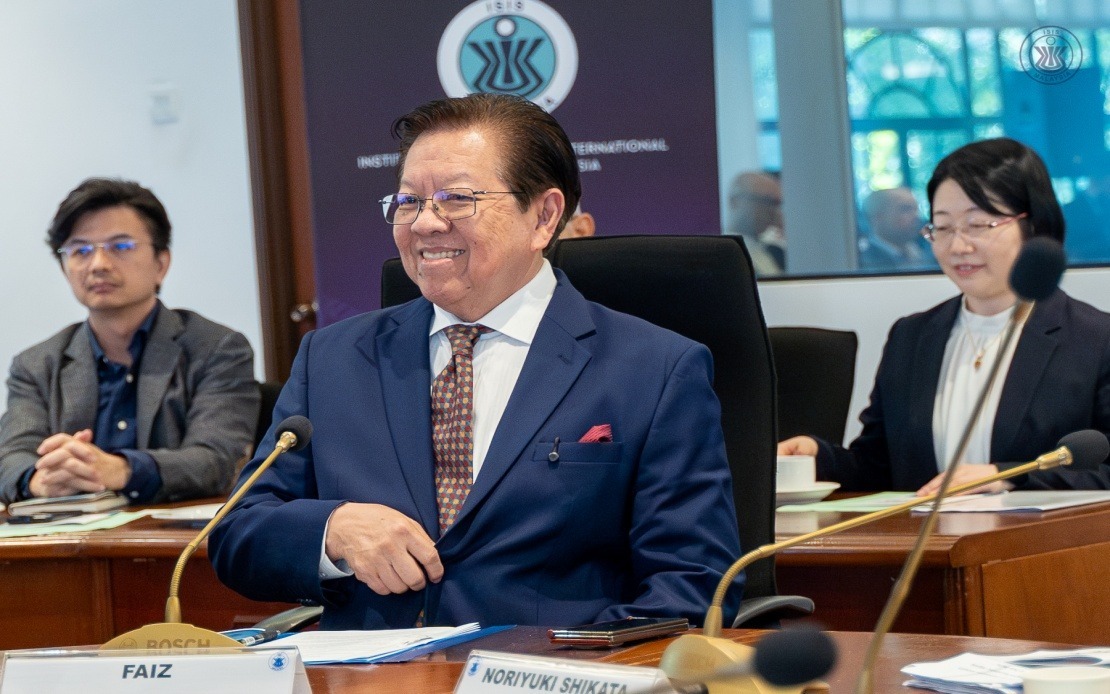
The 39th Asia-Pacific Roundtable, opening on Tuesday, will shine a spotlight on Myanmar's deepening political turmoil through a dedicated discussion caucus, according to the Institute of Strategic and International Studies (ISIS) Malaysia. The three-day conference, running until July 2, represents a significant departure from more muted diplomatic approaches taken during recent regional forums, signalling a recognition among Asia-Pacific policymakers and analysts that the Myanmar situation demands sustained, substantive engagement beyond official channels.
Executive chairman Datuk Prof Dr Mohd Faiz Abdullah explained that the roundtable structure allows for more candid and probing conversations than typical multilateral gatherings afford. He noted that during the recent ASEAN Summit held in Cebu, Philippines, member states largely adhered to carefully calibrated public positions on Myanmar, limiting the depth of discussion. The APR format, by contrast, creates space for practitioners, think-tank researchers, and regional experts to explore the crisis with considerably greater analytical rigour and strategic transparency.
This year's forum, themed "Accelerating agency and action," seeks to identify regional catalysts and leadership responses to the Myanmar situation within the broader context of geopolitical instability across the Asia-Pacific. The roundtable's programming reflects growing anxiety among strategic communities that Myanmar's political breakdown carries implications extending far beyond its borders, potentially destabilising Southeast Asia and complicating regional cooperation on multiple fronts. The dedicated caucus represents institutional acknowledgement that the issue warrants focused, disciplined examination.
Mohd Faiz indicated that discussions will extend beyond Myanmar to encompass other critical regional challenges, including evolving tensions in the South China Sea, the volatile situation in West Asia, emerging trade protectionism and tariff regimes, energy security concerns, and the accelerating trajectory of artificial intelligence development and deployment. These interconnected issues reflect the complexity of the contemporary strategic environment that Asia-Pacific nations must navigate simultaneously.
The conference has grown substantially since its inception four decades ago, drawing approximately 400 participants from 30 countries this year compared with merely 30 to 40 attendees at the inaugural gathering. This expansion underscores the enduring relevance and perceived value of the roundtable as a premier platform for unofficial, track-two diplomacy among regional strategic communities. The forum convenes leading thinkers, policy advisors, academic specialists, and security analysts who operate outside formal government channels, enabling candid exchanges that formal diplomatic settings often constrain.
The Asia-Pacific Roundtable ranks among the world's top 20 strategic and security-focused conferences, establishing itself as a distinctive Southeast Asian contribution to global strategic dialogue. ISIS Malaysia, a leading regional think tank, organises the event on behalf of ASEAN-ISIS, a network comprising the major policy research institutions across Southeast Asia. This institutional arrangement ensures that the roundtable maintains authentic regional perspectives while attracting international participation and expertise.
The forum typically convenes more than 300 strategic thinkers who engage in substantive, frank, and collaborative deliberations on issues affecting Asia-Pacific security, stability, sustainability, and economic prosperity. By bringing together diverse viewpoints and disciplinary perspectives, the roundtable attempts to generate insights applicable to both governmental and business decision-makers confronting an increasingly complex strategic landscape. The goal extends beyond academic exercise; it aims to produce actionable understanding relevant to navigating persistent regional challenges.
Myanmar's inclusion as a dedicated focus area reflects the seriousness with which regional analysts view the ongoing political instability there. The military coup and subsequent civilian resistance have created humanitarian emergencies, displaced populations, and destabilised governance structures across the country. For ASEAN members, Myanmar presents a unique challenge: the bloc's consensus-based decision-making and non-interference principle have constrained collective responses, yet the country's strategic location and population make regional stability contingent upon Myanmar's trajectory.
The roundtable's emphasis on "accelerating agency and action" suggests participants will move beyond merely describing regional problems toward identifying concrete measures that governments, regional organisations, and non-state actors might pursue. This reorientation reflects frustration among strategic communities with the pace of response to established challenges and the reactive posture that characterises much contemporary regional diplomacy. By foregrounding agency and action, the roundtable seeks to generate momentum toward more proactive, coordinated approaches to interlocking regional crises.
For Malaysian stakeholders and the broader Southeast Asian community, the roundtable provides a crucial venue for understanding how peers across the region approach these interconnected challenges. Malaysia's geographic centrality and established diplomatic networks position it well to benefit from the intelligence and analytical insights generated during the forum. The dedicated Myanmar caucus, in particular, offers an opportunity for Malaysian analysts and policymakers to deepen their understanding of options and constraints surrounding the crisis, potentially informing Malaysia's own diplomatic engagement strategies.

