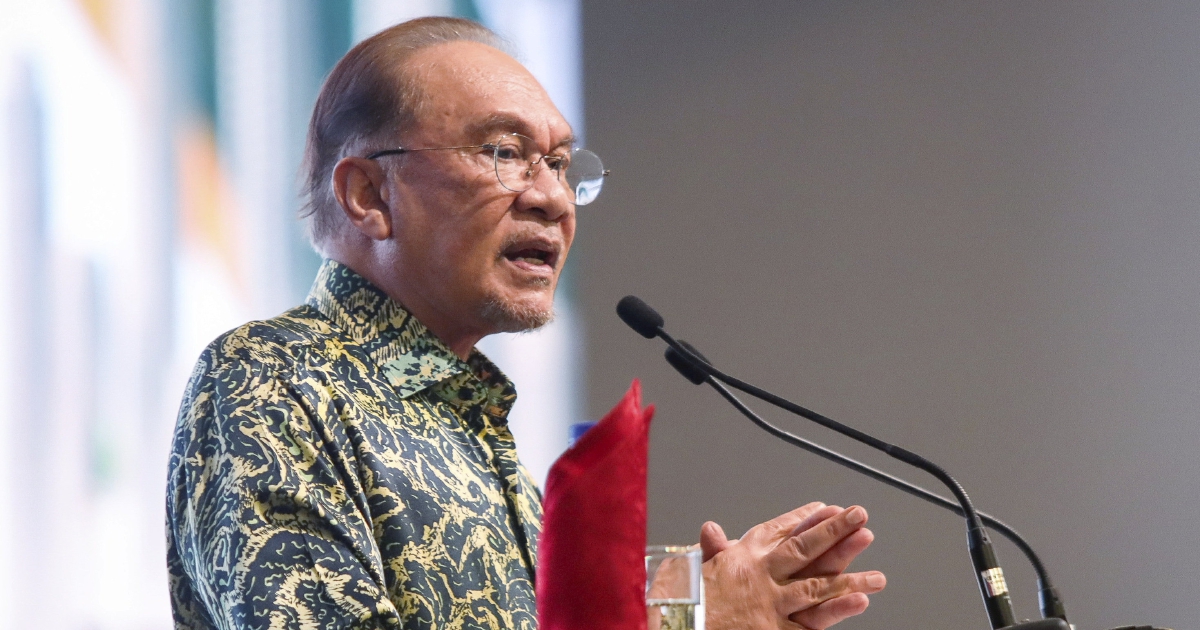
Malaysia has extracted a significant commitment from Myanmar to accept an initial cohort of 5,000 Rohingya refugees, Prime Minister Datuk Seri Anwar Ibrahim announced during a recent engagement in Jelebu. The breakthrough represents the first concrete step in resolving a humanitarian challenge that has strained Malaysia's resources and tested its social fabric over the past several years. The agreement emerged from direct negotiations between Malaysian and Myanmar authorities, signalling a renewed diplomatic effort to tackle one of Southeast Asia's most intractable displacement crises.
The Rohingya presence in Malaysia has been a complex policy issue for Kuala Lumpur. Since 2017, when Myanmar's military campaign against the ethnic Muslim minority in Rakhine State triggered a mass exodus, Malaysia has absorbed over 180,000 Rohingya refugees—a burden that has increasingly weighed on the country's housing, education, and healthcare systems. Unlike Thailand and Indonesia, which serve primarily as transit countries, Malaysia has de facto become a destination for many refugees lacking onward resettlement options. The arrival of Myanmar's latest agreement suggests that both governments recognize the need for burden-sharing and durable solutions.
The repatriation timeline and implementation mechanisms remain unclear at this juncture, but the very fact that Myanmar has consented to accepting returning populations marks a diplomatic turning point. For years, Myanmar's junta has resisted international pressure regarding the Rohingya, denying responsibility for persecution and insisting that any returnees must be verified as Myanmar nationals—a contentious precondition that has complicated previous repatriation efforts. That the military leadership has now agreed to specific numbers indicates either changing calculations within Naypyidaw or intensified behind-the-scenes pressure from Kuala Lumpur and the international community.
For Malaysia, the potential return of 5,000 Rohingya would modestly alleviate demographic strain, though it represents a small fraction of the total population seeking asylum or long-term sanctuary. The country has struggled to balance humanitarian obligations with the domestic concerns of its own citizens, particularly in communities where refugee populations have been concentrated. Schools, hospitals, and informal housing in urban areas have absorbed much of the refugee load, creating occasional tension with local Malaysian populations. Any successful repatriation initiative could relieve some of this pressure while demonstrating to the international community that Malaysia takes both refugee welfare and orderly population management seriously.
Myanmar's willingness to receive returnees, however tentative, hinges partly on conditions within Rakhine State itself. Infrastructure damage from years of conflict, limited livelihood opportunities, and the ongoing presence of displacement camps create genuine obstacles for repatriates. International observers have raised concerns about the safety and dignity of returning Rohingya, particularly women and minorities who may face discrimination or exploitation in Myanmar. Any repatriation process will require rigorous safeguards, including third-party monitoring and the establishment of secure, adequate housing and economic opportunities for returnees.
The announcement also reflects broader regional diplomacy. Malaysia, as chair of ASEAN or a prominent voice within the bloc, carries significant weight in regional affairs. Its ability to negotiate directly with Myanmar—despite the junta's international isolation—positions Kuala Lumpur as a pragmatic mediator rather than a purely adversarial critic. This diplomatic stance may explain Myanmar's receptiveness; the country's leadership may value Malaysia's measured approach as a counterweight to more stringent international sanctions and rhetoric from Western governments.
International humanitarian organizations will likely scrutinize the agreement's details closely. Voluntary repatriation, protection mechanisms, and transparent criteria for identifying eligible returnees are essential components that must be negotiated before any mass movement occurs. UN agencies and NGOs operating in both countries have extensive experience with Rohingya populations and will play crucial roles in monitoring implementation and ensuring international standards are maintained.
The initial 5,000-person commitment leaves open the possibility of subsequent tranches, suggesting that both governments are approaching repatriation as a phased undertaking rather than an immediate, large-scale transfer. This gradualist approach could allow for testing of systems, adjustment of procedures, and evaluation of returnee outcomes before expanding the scheme. It also provides time for improvements to Rakhine State's reception capacity and for Myanmar to develop credible frameworks for reintegration and citizenship documentation.
For Malaysia's refugee communities, the news carries mixed implications. While some Rohingya may wish to return home and rebuild lives, others have invested years in Malaysia, established families and livelihoods, and harbour legitimate fears about safety in Myanmar. The government will need to ensure that repatriation is genuinely voluntary and that those choosing to remain receive continued protection and access to services. This balance between facilitating return and maintaining sanctuary for vulnerable populations remains one of the most sensitive aspects of any repatriation framework.
Regionally, the agreement demonstrates that even amid geopolitical tensions and ASEAN's traditional non-interference doctrine, bilateral negotiations can yield practical progress on humanitarian concerns. Other Southeast Asian nations hosting Rohingya populations may view Malaysia's success as a template or as validation that direct engagement with Myanmar can produce results. The outcome could influence the trajectory of refugee-related diplomacy across the region and set expectations for Myanmar's future cooperation on humanitarian matters.

