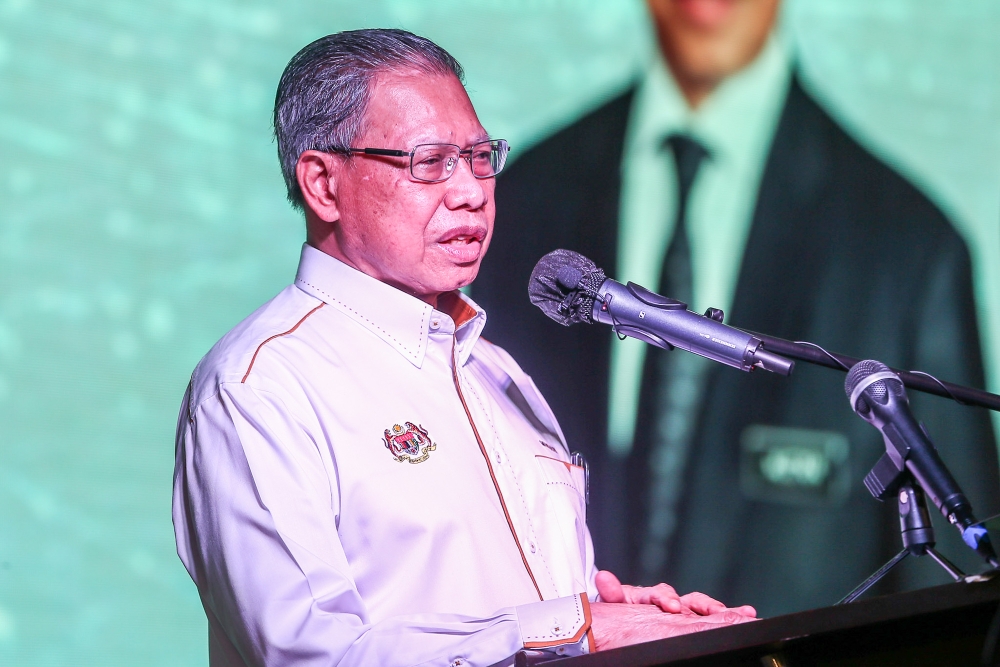
Datuk Seri Mustapa Mohamed, the 76-year-old former Member of Parliament for Jeli, has made clear his intention to step away from electoral politics, signalling the end of what has been a lengthy career in public service. Speaking in his constituency of Pasir Mas, the veteran politician reaffirmed his position that he will not be returning to contest in the upcoming general election, formally closing a chapter in Malaysian parliamentary representation that has spanned multiple decades.
The decision reflects a broader generational shift taking place within Malaysia's political establishment. Mustapa Mohamed's withdrawal represents not merely an individual's choice but a symbolic moment in which seasoned figures are consciously ceding space for emerging talents. His public declaration carries particular weight given the prominent roles he has held throughout his career, including positions in various ministerial portfolios and his standing within the United Malays National Organisation (UMNO) party machinery.
Mustapa Mohamed's emphasis on the necessity for younger leaders to assume command of the nation's political direction addresses long-standing concerns about demographic stagnation in high-level positions. Malaysia's political landscape has historically been dominated by individuals from an earlier generation, and the former MP's explicit call for youth involvement signals recognition that renewal is essential for sustained political vitality. This sentiment aligns with similar discussions occurring across Southeast Asia, where ageing leadership structures have prompted questions about succession planning and institutional continuity.
The timing of this announcement carries significance within Malaysia's current political context. With the nation operating under a Fixed Term Parliament Act framework and the previous general election having taken place in 2022, calculations regarding the next election timeline remain subject to constitutional provisions and political dynamics. Mustapa Mohamed's withdrawal removes from consideration a figure who had previously maintained electoral viability, potentially opening opportunities for new candidates in traditionally represented constituencies.
Within UMNO specifically, the succession conversation has intensified as the party navigates complex coalition arrangements and strives to maintain relevance in an evolving political environment. Veteran MPs stepping aside creates both practical opportunities for fresh candidates and serves as a leadership signal about embracing renewal. The party's capacity to develop and promote younger talent while maintaining cohesion during transition periods will likely prove consequential for its electoral fortunes in coming contests.
Mustapa Mohamed's framing of his decision emphasises not abandonment but rather stewardship of a transition process. By articulating that younger politicians should now take primary responsibility for charting Malaysia's course, he positions his retirement within a constructive narrative rather than one of mere withdrawal. This rhetorical approach may influence how other senior figures perceive their own roles and contributions as the political environment shifts toward generational change.
The imperative for youth leadership that Mustapa Mohamed identifies resonates with broader developmental challenges facing the nation. Younger politicians bringing contemporary perspectives to governance structures could potentially address policy areas that reflect current demographic realities and technological transformation. Issues ranging from digital infrastructure to employment patterns for younger cohorts, environmental sustainability, and education system modernisation may benefit from leadership cohorts more closely aligned with populations experiencing these challenges directly.
Beyond individual constituencies, the generational transition carries implications for how Malaysian political parties structure themselves institutionally. Mentoring frameworks, succession planning processes, and mechanisms for identifying emerging leaders become increasingly important as senior figures transition. Parties that manage this evolution deliberately tend to maintain organisational stability, whereas those experiencing chaotic transitions risk internal friction and electoral vulnerability. Mustapa Mohamed's measured approach to his own retirement potentially sets a constructive example for how such transitions might occur.
The former Jeli MP's comments also implicitly acknowledge that electoral politics requires considerable stamina and engagement with constituents. At 76, physical demands of campaigning and constituency work represent genuine considerations. However, his framing emphasises not incapacity but rather the appropriateness of allowing others to bear these responsibilities. This distinction matters for how leadership transitions are perceived and whether they catalyse positive or merely reactive changes within party structures.
For Malaysian voters and the broader electorate, Mustapa Mohamed's decision removes a familiar name from future electoral considerations whilst simultaneously raising questions about which younger figures might emerge as successors within their respective parties and constituencies. In constituencies like Pasir Mas and Jeli, the leadership transition will likely generate interest regarding which candidates command the grassroots support and party endorsement necessary for electoral viability.
The implications extend to how Malaysia's parliament may evolve in composition following the next general election. Each retiring senior MP represents potential shifts in the institutional knowledge, networks, and established procedures within the legislative body. New members typically require orientation periods before achieving full effectiveness, suggesting that wave retirements could momentarily affect parliamentary functioning. However, such transitions also create opportunities for parliamentary reform and the introduction of fresh procedural approaches that might enhance legislative effectiveness.
Mustapa Mohamed's pronouncement ultimately reflects a pragmatic assessment of individual circumstances intersecting with perceived political necessities. His explicit call for younger leaders to assume prominence suggests he recognises that sustainable political systems require generational renewal and fresh talent infusion. Whether his example catalyses broader leadership transitions within Malaysian politics remains to be observed, though his intervention in this conversation likely influences how other senior figures contemplate their own futures and responsibilities to the political institutions they have long served.

