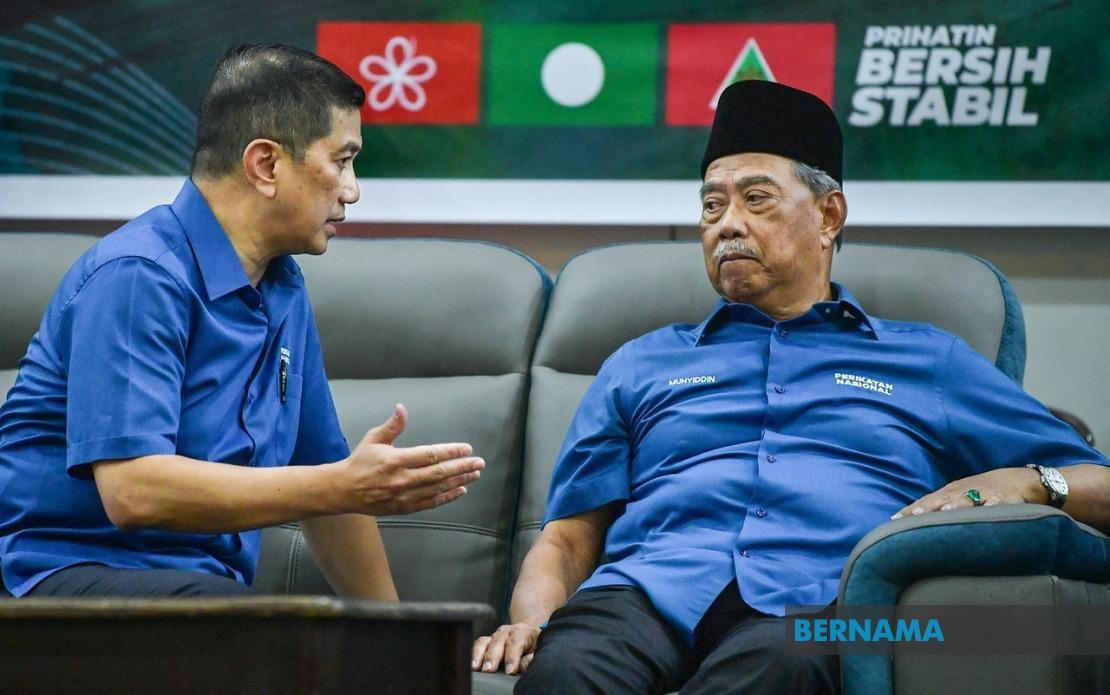
Former Prime Minister Tan Sri Muhyiddin Yassin has expressed support for a comprehensive package of relief measures unveiled by the government to address the mounting financial pressures facing Malaysians and the business community. The Bersatu party leader's public endorsement signals cross-political backing for initiatives aimed at cushioning households and enterprises from persistent inflation, at a time when economic sentiment remains fragile across the nation.
Among the centrepiece reforms announced by Prime Minister Datuk Seri Anwar Ibrahim on Sunday, the restoration of the RON95 fuel subsidy eligibility threshold to 300 litres per month stands out as a direct intervention in household budgets. The increase from the previous 200-litre cap effectively expands the number of motorists qualifying for subsidised fuel, addressing a key grievance in public discourse surrounding transport costs. Muhyiddin characterised this adjustment as instrumental in helping ordinary citizens and firms manage their operational expenses as commodity prices remain elevated.
Equally significant for the private sector is the raising of the e-Invoicing exemption threshold to include businesses with annual sales up to RM3 million. This measure reduces bureaucratic compliance burdens on Malaysia's substantial population of small and medium enterprises, many of which operate on tight margins and view administrative costs as a drag on profitability. By raising this threshold, the government acknowledges the need to support labour-intensive businesses that drive employment in local communities.
Muhyiddin emphasised the critical importance of efficient implementation, cautioning that the announcements must translate into tangible assistance reaching the intended recipients without delay. He called on relevant government ministries and agencies to disburse allocated funds promptly, reflecting broader public frustration with bureaucratic bottlenecks that sometimes impede the delivery of promised support. This pragmatic observation underscores that policy announcements alone do not automatically generate economic relief; execution remains the determining factor in whether such measures truly improve citizens' circumstances.
Beyond immediate cost-of-living relief, the broader package encompasses investments in human capital and digital infrastructure. An additional RM500 million directed toward school maintenance addresses longstanding complaints about the physical condition of educational facilities, while initiatives to digitalise healthcare services and provide youth access to artificial intelligence software subscriptions signal an attempt to modernise public service delivery. These investments reflect recognition that sustainable economic progress requires foundation-building in education and technological capacity alongside short-term relief.
The micro-credit and grant components of the initiative target the grassroots entrepreneurial ecosystem. An additional RM1 billion in micro-credit facilities for petty traders, combined with RM200 million in direct grants for night market vendors and women operating home-based businesses, represent targeted support for informal and semi-formal economic actors who typically lack access to conventional banking channels. These segments of the economy represent vital employment sources and community anchors, particularly in smaller towns and rural areas where formal employment opportunities remain limited.
Muhyiddin's call for broader policy reviews, particularly regarding taxation and subsidy frameworks, suggests recognition that piecemeal interventions may prove insufficient without structural reforms. His reference to policies contributing to public financial strain indicates that even well-intentioned relief measures operate within a constrained fiscal environment where trade-offs remain inevitable. The underlying tension revolves around whether adjustments to fuel subsidies and business thresholds constitute genuine structural reforms or merely tactical adjustments to manage immediate political pressures.
The timing of these measures, scheduled to take effect on September 1, positions the government to demonstrate tangible action as it approaches the mid-point of its electoral cycle. For a coalition government dependent on maintaining coalition cohesion and public confidence, delivering visible benefits before sentiment deteriorates further carries both political and economic logic. The measures reflect acknowledgment that without interventions, household purchasing power may erode further, dampening consumer spending that remains critical to the Malaysian economy's growth trajectory.
From a regional perspective, Malaysia's cost-of-living challenges mirror pressures affecting other Southeast Asian nations. However, the government's approach—combining targeted subsidies with support for informal enterprises and digital transformation—reflects a particular domestic context where informal sector workers and petty traders constitute a significant political constituency. The package demonstrates an attempt to navigate competing demands for fiscal discipline with political expectations for relief.
Muhyiddin's public support carries particular resonance given his prior experience as Prime Minister during the early COVID-19 crisis when cost-of-living pressures first intensified. His endorsement lends cross-party credibility to the measures and suggests broad political consensus that government intervention remains necessary. This alignment contrasts with potential opposition criticism and reflects a pragmatic acceptance among senior opposition figures that such relief measures command public backing regardless of partisan considerations.
The efficacy of this package will ultimately depend on execution quality, fiscal sustainability, and whether accompanying macroeconomic policies—particularly concerning inflation management and currency stability—remain coherent. Muhyiddin's caveat regarding "further comprehensive measures" hints at recognition that current initiatives, while welcome, may prove insufficient without complementary reforms addressing structural economic challenges.

