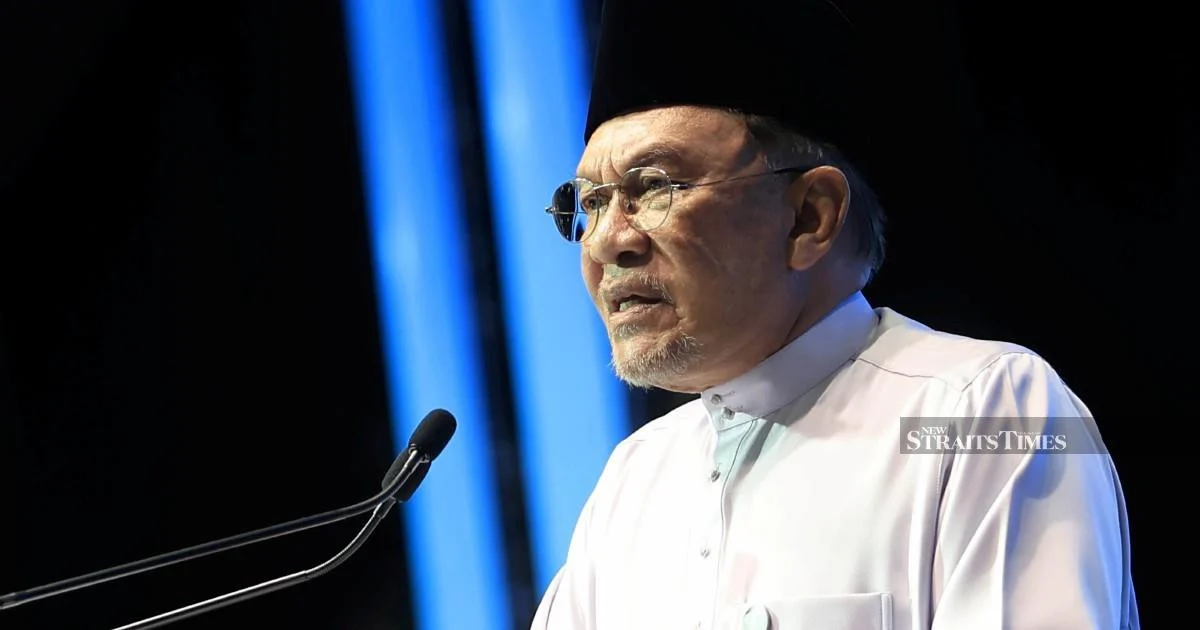
The Muar district office has moved to dispel claims that Prime Minister Datuk Seri Anwar Ibrahim faced restrictions in accessing the Penghulu Mukim Sungai Balang Complex for a scheduled community engagement initiative last month, describing the allegations as inaccurate.
This denial comes as the district navigates scrutiny following the Johor state elections, a politically sensitive period when accusations of administrative bias and unequal access to government facilities often draw intense public attention. Such disputes over facility access can carry broader implications for perceptions of administrative impartiality, particularly when senior federal officials are involved during election campaigns or transition periods.
The incident, should it have occurred as alleged, would have raised significant questions about the institutional independence of district-level administration and whether government infrastructure was being deployed for partisan purposes. In Malaysia's federal structure, district offices maintain a delicate balance between serving local communities and upholding the principle that public facilities should remain accessible regardless of political affiliation or status. Any suggestion that access was conditional on political considerations would have contradicted official protocols governing the use of government complexes.
During election periods, scrutiny of government facility usage intensifies across Malaysia. Opposition parties and civil society observers routinely monitor whether administrative machinery favours incumbent politicians, and allegations of restricted access to public venues form part of broader concerns about election-time conduct. The timing of this incident—preceding or during the Johor elections—likely amplified concerns about administrative neutrality at a moment when public confidence in institutional fairness carries particular weight.
The Penghulu Mukim Sungai Balang Complex serves as an important community gathering space within Muar's administrative landscape. Such facilities typically host government programmes, town halls, and civic events designed to facilitate direct engagement between officials and residents. Restrictions on their use for authorized government functions would represent an operational concern extending beyond the immediate controversy, potentially affecting the district administration's capacity to deliver community services.
Prime Minister Anwar Ibrahim's relationship with state-level administrations can sometimes reflect broader political dynamics within Malaysia's federal system, particularly in states governed by different political coalitions. Access to government facilities for federal officials conducting community engagement work generally falls under clearly defined administrative guidelines, and disputes over such access often reflect underlying tensions in federal-state coordination rather than representing isolated incidents.
The district office's denial suggests that the account circulating regarding the blocked access may have been incomplete, misunderstood, or misrepresented. Administrative explanations for facility unavailability can range from prior bookings and maintenance schedules to security protocols or scheduling conflicts—circumstances that might create appearances of restriction without reflecting deliberate obstruction. The district office's specific rebuttal indicates an effort to clarify the operational realities behind what may have been perceived as institutional resistance.
The broader context of Johor's political landscape adds significance to this incident. As a state where coalition politics and electoral competition remain vigorous, interpretations of administrative conduct often become politicized. Both ruling and opposition formations monitor government operations for evidence of bias, and allegations of facility access being withheld to senior federal figures can rapidly gain traction in such environments if not promptly addressed. The district office's swift response reflects recognition of the potential political implications of allowing such claims to circulate unchallenged.
This incident highlights ongoing tensions in Malaysia regarding the relationship between administrative impartiality and political expectations during election cycles. While government machinery is constitutionally expected to remain neutral, perceptions of fairness can suffer when high-profile figures encounter logistical obstacles or facility access challenges. The distinction between genuine administrative reasons for restrictions and politically motivated obstruction often proves difficult for public audiences to discern, particularly in charged political moments.
Moving forward, the resolution of this specific controversy carries implications beyond Muar. How district-level administrators manage facility access during politically sensitive periods sets precedents affecting public trust in institutional conduct. Clear communication regarding the factors influencing facility availability—whether scheduling, maintenance, security, or genuine administrative limitations—helps distinguish between legitimate operational constraints and more problematic forms of administrative discretion. The Muar district office's clarification represents an attempt to maintain this distinction and preserve confidence in administrative neutrality at a critical juncture in Johor's political calendar.
The incident underscores the continuing challenge facing Malaysian administrators at all levels: operating transparently within clearly defined rules while navigating legitimate expectations that government facilities serve public purposes fairly. As community engagement remains central to contemporary political practice across the region, access to neutral government spaces becomes increasingly important for all political actors, regardless of affiliation or status.

