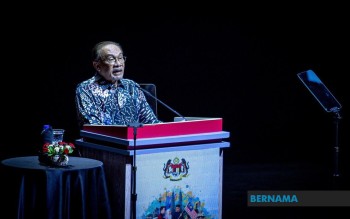
The Malaysian government has substantially eased compliance requirements for small and medium-sized businesses by raising the e-invoicing implementation threshold to RM3 million, a move that will exclude more than 1.1 million enterprises from mandatory participation in the digital system. Prime Minister Datuk Seri Anwar Ibrahim announced the policy shift during the 2026 National Day Prime Minister's Address, with the threshold increase taking effect from September 1. The original RM1 million ceiling, which came into force in August 2024, had imposed significant administrative burdens on Malaysia's substantial MSME sector, which forms the backbone of the domestic economy and employment.
The Inland Revenue Board (LHDN) framed the decision as part of the MADANI government's broader commitment to reducing red tape and operational costs for small enterprises. By doubling the revenue threshold, policymakers acknowledge the resource constraints facing smaller operators, who often lack dedicated compliance departments and struggle to integrate new systems alongside day-to-day business activities. The exemption recognises that businesses operating below the RM3 million annual turnover mark frequently operate with minimal administrative infrastructure, making mandatory e-invoicing adoption a disproportionate burden relative to their transaction volumes and regulatory risk profiles.
The exemption directly benefits the vast majority of Malaysia's MSME population, which collectively drives economic growth, innovation, and employment creation across urban and rural areas alike. Many of these enterprises operate in labour-intensive sectors such as retail, food service, construction, and personal services, where owners and managers juggle multiple operational responsibilities without dedicated finance or IT personnel. The policy adjustment acknowledges that compliance costs, including system implementation, staff training, and ongoing maintenance, can consume a significant percentage of already-thin profit margins for businesses in these segments. For many MSMEs, the removal of this regulatory obligation allows capital and attention to be redirected toward expansion, product development, and workforce investment.
Despite the exemption, the LHDN has maintained that it actively encourages voluntary participation in e-invoicing among businesses below the threshold. This dual approach balances the government's digitisation agenda with practical recognition of implementation constraints. Businesses that adopt e-invoicing voluntarily can benefit from improved record-keeping, reduced clerical errors, and enhanced integration with accounting software, positioning themselves advantageously as they grow and eventually cross the compliance threshold. The LHDN's emphasis on voluntary uptake reflects confidence that many MSMEs will recognise the operational benefits of digital invoicing, particularly as the technology becomes more embedded in commercial practice and user interfaces improve.
Since the e-invoicing system launched on August 1, 2024, the take-up rate has exceeded initial projections, with 265,379 taxpayers submitting more than 1.84 billion e-invoices in the initial months of operation. This performance demonstrates considerable acceptance among both large enterprises and smaller participants, suggesting that technical barriers have largely been overcome and user familiarity is growing steadily. The strong adoption figures provide evidence that the digital transformation is gaining traction organically, even among businesses not yet mandated to participate. This positive trajectory suggests that the voluntary approach for MSMEs below the new threshold could yield substantial additional participation without the friction of legal compulsion.
The LHDN has invested substantially in support infrastructure to facilitate smooth implementation and encourage voluntary adoption. The agency operates the MyInvois Portal, the MyInvois mobile application, and the MyInvois e-POS system, all designed with small business users in mind. Complementing these technical tools, the revenue authority conducts regular education initiatives, hand-holding programmes, and engagement sessions targeted at MSMEs seeking to understand the system's requirements and benefits. Comprehensive guides and tutorials address common questions about functionality and best practices, lowering the barrier to entry for businesses considering voluntary adoption.
Access to technical support has been prioritised to ensure businesses can resolve implementation challenges without excessive delay. The dedicated e-Invoice Helpdesk operates at 03-8682 8000, while the MyInvois Live Chat provides real-time assistance for users encountering specific problems. Additionally, businesses can visit LHDN offices for in-person guidance, arrange consultations with staff members, or submit enquiries via email at [email protected]. The MyInvois Customer Feedback Form enables businesses to report issues and contribute suggestions for system improvements, creating a feedback loop that helps the LHDN continuously refine the user experience.
For Malaysian MSMEs, the threshold adjustment arrives at a critical juncture as businesses navigate post-pandemic recovery and navigate evolving consumer preferences toward digital commerce. By deferring mandatory compliance for the smallest operators, the government creates breathing room for businesses to stabilise operations and build internal capacity before confronting fresh regulatory obligations. This phased approach acknowledges that business maturity, financial stability, and administrative capacity typically correlate with revenue scale, and that imposing system requirements disproportionately strains enterprises still rebuilding after disruptions. The timing reflects pragmatic policymaking that balances digitalisation ambitions with economic realities on the ground.
The exemption also has broader implications for Malaysia's competitive positioning within the regional economy. By protecting smaller enterprises from aggressive compliance timelines, policymakers reduce friction that might otherwise drive business migration or informality. Regional competitors that impose lighter regulatory burdens on small businesses can potentially attract entrepreneurs and investment, and Malaysia's recalibration helps maintain the country's appeal as a business-friendly environment. The policy signals that the government recognises the diverse needs within the business ecosystem and tailors regulatory approaches accordingly, rather than applying one-size-fits-all standards that often impose outsized costs on smaller operators.
Looking ahead, the RM3 million threshold provides a natural inflection point as MSMEs grow and develop greater administrative sophistication. Businesses crossing this revenue benchmark will typically have achieved sufficient scale to justify dedicated compliance resources, whether through hiring personnel or engaging external service providers. The two-year period since the original August 2024 implementation launch provides a window for businesses approaching the threshold to prepare for eventual mandatory participation, with support systems already operational and user familiarity widespread. This gradual transition approach contrasts with abrupt, all-or-nothing regulatory implementation and reflects learning from the initial rollout experience.
The broader digitalisation initiative extends beyond invoicing systems to encompass the transformation of Malaysian business practices toward greater transparency, efficiency, and integration with modern financial infrastructure. E-invoicing serves as both a practical tool and a symbolic step in this direction, normalising digital record-keeping and reducing reliance on paper-based processes that create administrative drag and audit vulnerability. By extending voluntary access to MSMEs while protecting the smallest enterprises from compliance costs, the LHDN pursues a pragmatic strategy that advances long-term digitalisation goals without sacrificing near-term business viability or regulatory proportionality.

