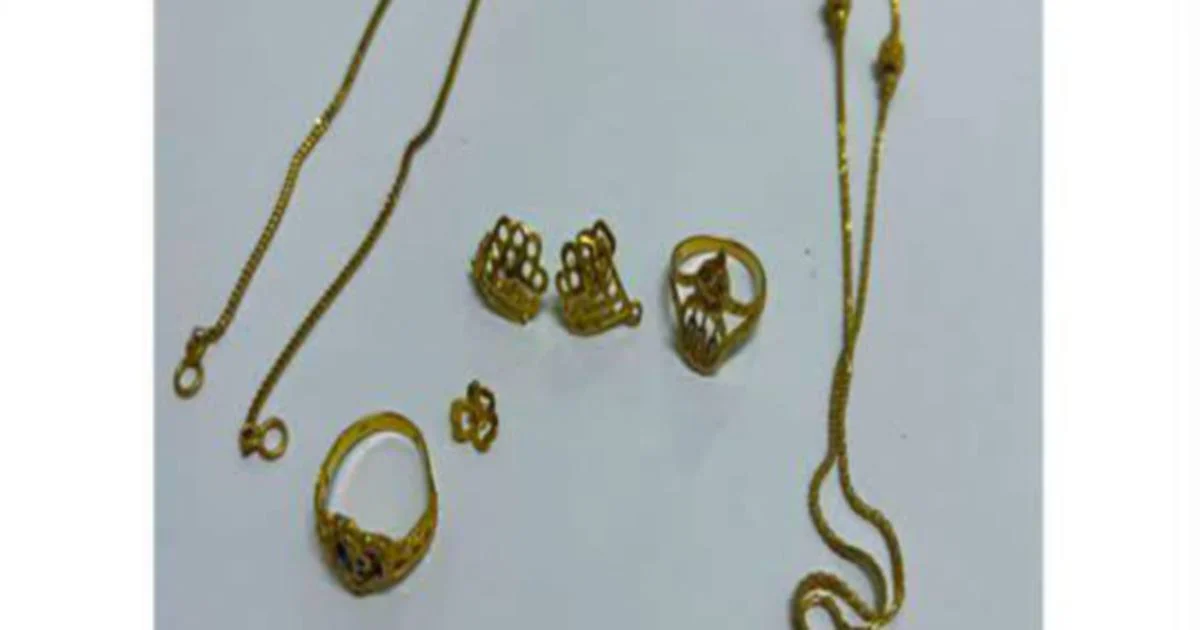
Law enforcement authorities in Ipoh have arrested a mother along with her two children on suspicion of swindling an elderly woman through an elaborate impersonation scheme targeting her valuables. The suspects allegedly masqueraded as welfare officers when they approached the 67-year-old victim, managing to convince her to hand over jewellery subsequently valued at about RM8,000.
This case underscores a troubling pattern of deception that has become increasingly prevalent across Malaysia, where criminals exploit the trust that vulnerable populations place in government representatives. By assuming the identities of legitimate welfare officers—figures typically viewed as trustworthy authority figures—the perpetrators exploited the psychological vulnerability that many elderly citizens experience when confronted by official-seeming authority.
The modus operandi employed in this scheme reveals the sophistication that some fraudsters have developed. Scammers posing as government officials enjoy a significant advantage in gaining access to victims and establishing credibility quickly. For elderly individuals who have limited exposure to digital scams and may rely more heavily on face-to-face interactions, such impersonations prove particularly effective at circumventing natural skepticism.
The Perak region, where Ipoh is located, has witnessed multiple cases of similar fraud in recent years. Elderly residents in the state have become targets for various scams ranging from fake lottery schemes to property fraud. This latest incident demonstrates that criminal networks continue to innovate their tactics while maintaining core strategies rooted in impersonation and social engineering.
Family-based criminal operations such as this one present particular investigative challenges for police. The involvement of adult children alongside the mother suggests a coordinated effort rather than isolated criminal action, potentially indicating that fraud methods may have been transmitted and refined across generations within the household. Understanding these family dynamics becomes crucial for law enforcement attempting to dismantle organised scam networks.
For Malaysia's substantial elderly population—increasingly significant as the nation's demographics shift towards an aging society—such incidents carry profound implications. Many seniors depend on modest savings and valuables accumulated over decades of work, making jewellery theft particularly devastating to their financial security and emotional wellbeing. The psychological impact extends beyond mere monetary loss, as victims may subsequently distrust legitimate government services.
Government welfare agencies have intensified awareness campaigns to help senior citizens distinguish legitimate officers from imposters. Authorities consistently advise residents that genuine welfare officers carry proper identification, typically provide advance notice of visits, and never demand valuables or financial information during home calls. Yet despite these educational efforts, determined scammers continue developing persuasive approaches that overcome this basic skepticism.
The arrest of this family unit provides an opportunity for police to investigate whether the suspects operated independently or formed part of a larger criminal syndicate. Authorities will likely examine communications between the suspects, financial transactions, and whether similar complaints from other individuals exist. Such investigations frequently uncover networks substantially more extensive than initially apparent from a single case.
This incident also highlights gaps in community vigilance. Neighbours, family members, and social workers can play vital roles in identifying potential scams before they materialise. Establishing neighbourhood watch programmes and involving community leaders in fraud prevention represents an underutilised approach that could significantly reduce the vulnerability of isolated elderly residents.
The case carries broader implications for how Malaysia addresses elder fraud comprehensively. Beyond individual arrests, the authorities must consider systemic solutions including technology-based identity verification systems for government officers, standardised protocols for welfare officer visits, and mandatory reporting mechanisms that encourage residents to verify credentials independently.
Further investigation will determine whether the suspects acted on a purely opportunistic basis or had targeted the victim specifically. Understanding victim selection helps authorities develop more precise warnings for at-risk populations. The recovered jewellery value and the precise methods employed during the deception will inform the charges eventually laid against the suspects.
As this case moves through the criminal justice system, it serves as a reminder that scams targeting elderly Malaysians remain a persistent law enforcement priority. The arrests demonstrate police commitment to pursuing such cases, yet the broader challenge requires comprehensive community engagement, improved institutional safeguards, and sustained public awareness about the tactics criminals employ when impersonating officials.

