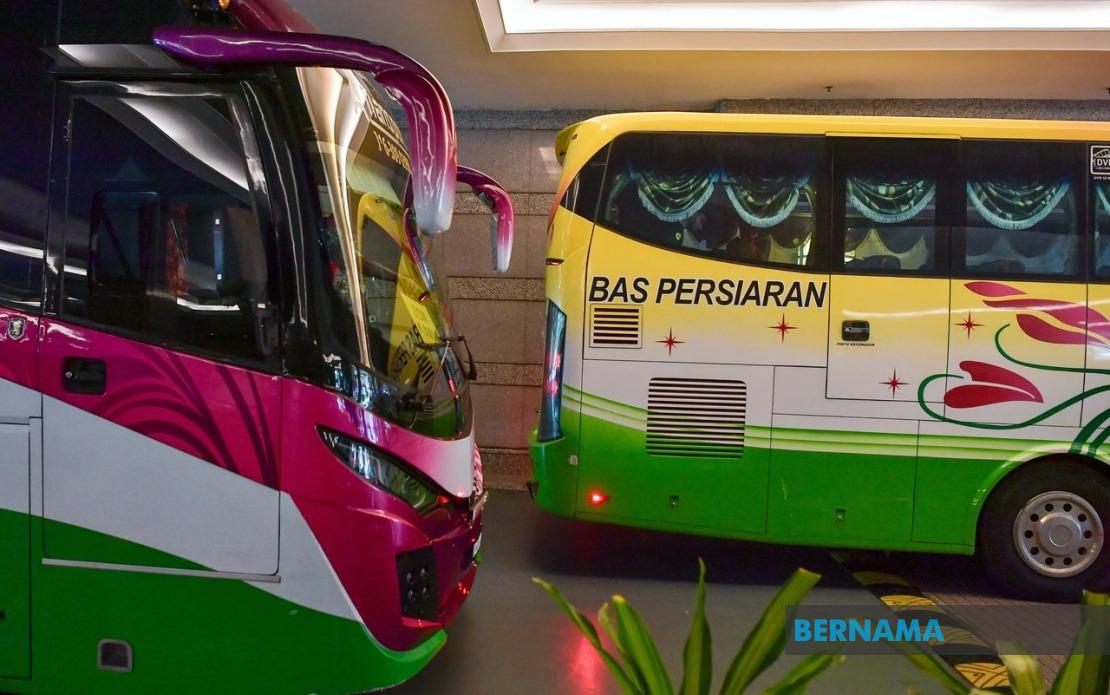
The Ministry of Tourism, Arts and Culture has issued an urgent call for tour bus operators and tourism industry associations to promptly submit comprehensive diesel usage documentation and related records, as the government prepares to evaluate potential assistance packages to offset mounting operational costs triggered by diesel price increases. Without complete and verifiable data, MOTAC warned that the government cannot move forward with structured relief measures, regardless of preliminary support signals already received from the Ministry of Finance.
The underlying tension driving this administrative push reflects a fundamental disconnect between industry complaints and government capacity to respond. Nine tourism associations had lodged formal complaints highlighting the severe impact of diesel cost escalation on their bottom lines, yet months have elapsed with minimal data submission from affected operators. This communication gap has created a bottleneck that prevents policymakers from quantifying the actual financial burden experienced across the sector, making it impossible to design proportionate interventions that would satisfy both industry demands and fiscal constraints.
The Ministry of Finance has signalled its openness to considering targeted tax incentives and other forms of assistance, but this conditional approval hinges entirely on receiving accurate, comprehensive information about sector-wide cost pressures. Without granular data on fuel consumption patterns and before-and-after cost comparisons, the government risks either under-allocating resources that leave operators still struggling, or over-committing public funds in ways that may not directly address the core problems. This requirement for evidence-based policymaking reflects global best practice, though it frustrates operators eager for immediate relief.
The diesel price surge appears linked to geopolitical tensions in the Middle East, which have rippled through global energy markets and affected Malaysia's fuel prices accordingly. For tour operators running large fleets across highways and rural tourism routes, diesel expenses represent a significant variable cost that directly impacts profitability and customer pricing. The tourism sector's vulnerability to fuel cost volatility puts it in a precarious position during global energy crises, requiring government intervention to maintain industry viability and preserve Malaysia's competitive position in regional tourism markets.
MOTAC has already engaged directly with industry representatives through consultation sessions, signalling administrative acknowledgment of genuine hardship within the sector. However, these engagement meetings appear to have surfaced complaints without generating the systematic documentation needed for financial analysis. The ministry's frustration seems justified: qualitative feedback about difficulties is valuable for political context, but quantitative data on fuel consumption, cost inflation percentages, and operational impact is essential for designing relief packages that target resources effectively and maintain public accountability for government spending.
The submission process MOTAC is demanding includes detailed diesel usage records spanning the period before and after the Middle East crisis erupted, allowing economists to calculate precise cost increases attributable to external price shocks rather than operational inefficiencies. This distinction matters considerably, as it separates legitimate claims for assistance based on uncontrollable external factors from requests that might reflect poor cost management or competitive disadvantages unrelated to fuel prices. Such granular analysis protects public resources while ensuring that assistance reaches those genuinely disadvantaged by circumstances beyond their control.
For Malaysia's tourism industry, timely government support carries strategic importance beyond immediate relief. International competition for tourists—particularly from regional rivals like Thailand, Indonesia, and Vietnam—requires that Malaysian operators maintain competitive pricing and service standards. If diesel costs squeeze profit margins to unsustainable levels without relief, operators may reduce service quality, cut routes, or exit the market entirely, ultimately diminishing Malaysia's tourism infrastructure and reputation. This sector-wide deterioration would damage long-term economic competitiveness and employment in communities dependent on tourism revenue.
The administrative delay in processing relief measures also risks undermining industry confidence in government responsiveness. Operators facing genuine hardship who have complained through formal channels may grow resentful if bureaucratic information-gathering extends indefinitely without delivering tangible support. This perception of institutional sluggishness could erode the cooperative relationship between industry and government that is essential for coordinated sectoral development and policy implementation. The ministry's emphasis on urgency suggests internal awareness of this reputational risk.
MOTAC has committed to implementing relief measures in phases following comprehensive assessment, explicitly acknowledging that any assistance package must be calibrated against broader fiscal constraints and macroeconomic sustainability. This measured approach reflects the government's responsibility to balance sector-specific support against competing budgetary demands across healthcare, education, infrastructure, and other priorities. Malaysia's fiscal situation, while manageable, does not permit unlimited sectoral subsidies, necessitating careful prioritization of government spending.
The ministry's insistence that assistance measures be "truly targeted, fair and effective" suggests an intention to avoid blanket subsidies that might benefit well-performing operators alongside struggling ones. Targeted assistance based on verifiable data can distinguish between operators facing genuine hardship and those weathering cost increases adequately through existing margins or through legitimate business adjustments. This differentiated approach maximizes assistance value for those most affected while minimizing public expenditure and potential market distortions.
Looking forward, the submission deadline appears to function as a critical juncture for the sector. Operators who cooperate fully and promptly with data requests position themselves advantageously within government deliberations, potentially securing assistance faster and potentially more generous than those who delay. Conversely, continued non-compliance risks the government moving forward without comprehensive data, potentially resulting in assistance packages that fail to address actual operator needs or that are deemed inadequate by industry stakeholders.
The broader lesson extends beyond immediate diesel relief. Malaysia's tourism operators, associations, and related industries operate within an increasingly complex regulatory and economic environment where government support—when available—requires systematic evidence gathering and administrative coordination. Building institutional capacity within industry associations to rapidly compile and submit required documentation during crises would strengthen operators' negotiating position with government during future challenges, whether related to fuel prices, pandemic restrictions, or other shocks affecting tourism viability.

