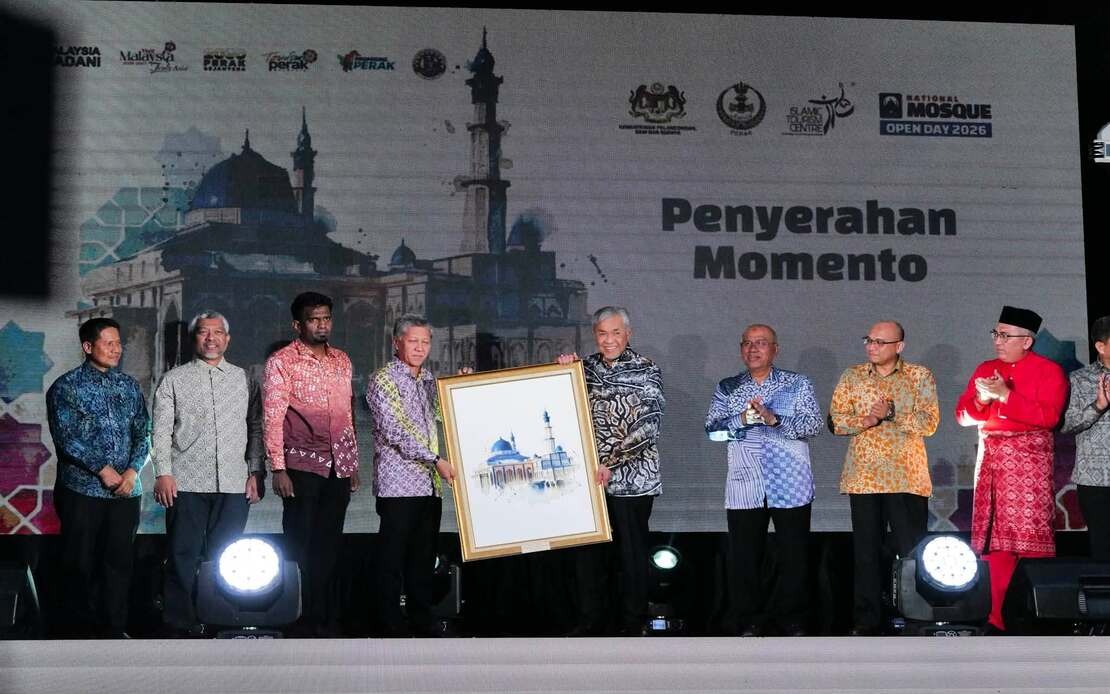
Malaysia's mosques should transition into integral components of the nation's tourism infrastructure without compromising their spiritual and community missions, according to Deputy Prime Minister Datuk Seri Dr Ahmad Zahid Hamidi. Speaking at the National Mosque Open Day in Bagan Datuk on August 15, Ahmad Zahid emphasised that these religious institutions represent far more than places of prayer—they embody the country's rich Islamic heritage, cultural identity, and values of hospitality that deserve greater prominence in attracting international visitors.
The integration of mosques into tourism frameworks presents a dual opportunity for Malaysia: showcasing architectural and cultural excellence while simultaneously deepening foreign visitors' understanding of Islam beyond stereotypes. Ahmad Zahid stressed that when tourists visit Malaysian mosques, they should depart with not merely photographic souvenirs of impressive buildings, but rather immersive experiences rooted in authentic human interaction and exposure to Islamic principles centred on compassion and benevolence. This approach transforms mosques from isolated religious spaces into living showcases of Malaysia's multicultural identity and Islamic civilisation.
For Malaysian policymakers, this vision addresses a strategic gap in the nation's tourism marketing. While Malaysia has successfully positioned itself as a Muslim-friendly destination, few deliberate efforts have systematised mosque visitation as a tourism product. Ahmad Zahid's advocacy signals government intent to bridge this gap systematically, encouraging mosques nationwide to develop visitor engagement programmes. Events such as the National Mosque Open Day serve as proven templates, creating structured environments where diverse visitors—regardless of religious background—interact respectfully with mosque institutions and their communities.
The significance of such initiatives extends beyond economic considerations. By facilitating cross-religious dialogue within mosque spaces, these programmes actively combat misconceptions and foster mutual respect. Ahmad Zahid highlighted how transparent hospitality and genuine Islamic values demonstrated through community interaction could reshape perceptions of Islam globally. This soft power dimension carries particular relevance in the Southeast Asian context, where religious sensitivities and interfaith relations directly influence regional stability and cohesion.
Recognising this potential, the Islamic Tourism Centre has designated Masjid Tuminah Hamidi in Bagan Datuk as Malaysia's 98th Tourism Mosque. The facility, completed in 2023 as a waqf honouring Ahmad Zahid's parents, features distinctive architectural elements and an Islamic knowledge gallery that justifies its tourism classification. This designation reflects growing official acknowledgment that mosques possessing unique historical narratives and physical features merit promotion as cultural tourism attractions.
The broader statistical context reveals considerable untapped potential. With 6,851 mosques operating across Malaysia, the current tourism classification of merely 98 institutions indicates that the vast majority remain invisible to tourism development frameworks. Islamic Tourism Centre Director-General Mohammad Faisal Abu Suaib Khan expressed optimism that expanding the programme would unlock this latent asset base. He stressed that mosques distinguished by distinctive architectural styles, historical significance, or community contributions should transition from local-only spaces into documented tourism products that international visitors can systematically discover and experience.
To operationalise this vision, multiple government bodies have begun coordinating efforts. The Islamic Tourism Centre collaborates with the Department of Islamic Development Malaysia and state religious departments to establish coherent guidelines and encourage mosque participation. This institutional alignment addresses practical challenges related to visitor management, cultural sensitivity protocols, and resource allocation—factors essential for sustainable tourism integration without disrupting worship schedules or compromising sanctity.
Complementary initiatives strengthen the ecosystem further. The Muslim-Friendly Tourism and Hospitality Assurance and Recognition programme establishes quality benchmarks for Muslim-centric tourism experiences, while the Muslim-Friendly Tourist Guides initiative trains personnel to facilitate meaningful interactions between visitors and Islamic institutions. These frameworks operationalise the conceptual principle of "Muslim-Friendly, not Muslim-Only"—ensuring that tourism development benefits domestic populations and non-Muslim citizens alongside international guests.
For Malaysia's tourism industry, mosque integration offers distinct competitive advantages within the Muslim travel market, which represents billions in annual expenditure globally. Destinations successfully combining religious authenticity with hospitality attract premium-spending visitors seeking meaningful cultural immersion rather than superficial tourism experiences. Malaysian mosques positioned as educational and cultural destinations can capture this demographic, differentiating Malaysia from competitors and extending visitor stay duration through expanded activity portfolios.
The National Mosque Open Day 2026, held across three days in Bagan Datuk, exemplified this integrated approach by combining spiritual components, cultural performances, recreational activities, and family-oriented programming. Such multifaceted events transcend typical tourist attractions by creating comprehensive experiences that simultaneously serve community development objectives. Local residents benefit from cultural programming and economic activity, while visitors gain authentic engagement unavailable in conventional tourism settings.
Implementing this vision nationwide requires negotiating sensitivities around sacred space accessibility and ensuring that commercial tourism development doesn't overshadow religious functionality. Successful models must establish clear boundaries distinguishing tourist visiting hours from prayer times, designate appropriate visitor zones within mosque complexes, and develop training programmes for staff managing secular-sacred space integration. The willingness of institutions like Masjid Tuminah Hamidi to undertake this positioning suggests feasibility, though scaled replication demands careful planning.
From a regional perspective, Malaysia's mosque tourism framework could establish templates for other Southeast Asian nations with significant Muslim populations seeking to formalise religious tourism integration. As Indonesia, Brunei, and southern Thailand explore similar approaches, successful Malaysian implementation provides demonstrated best practices and cautionary lessons regarding implementation challenges. This potential regional leadership dimension elevates Ahmad Zahid's initiative beyond domestic tourism policy into broader strategic significance for Muslim-majority nations balancing economic imperatives with religious preservation.
Looking forward, Ahmad Zahid's advocacy represents recognition that mosques constitute underutilised assets within Malaysia's tourism economy. By systematically integrating these institutions into visitor experiences while maintaining religious integrity, Malaysia can strengthen both its tourism competitiveness and intercultural dialogue capacity—objectives increasingly inseparable in contemporary geopolitics.

