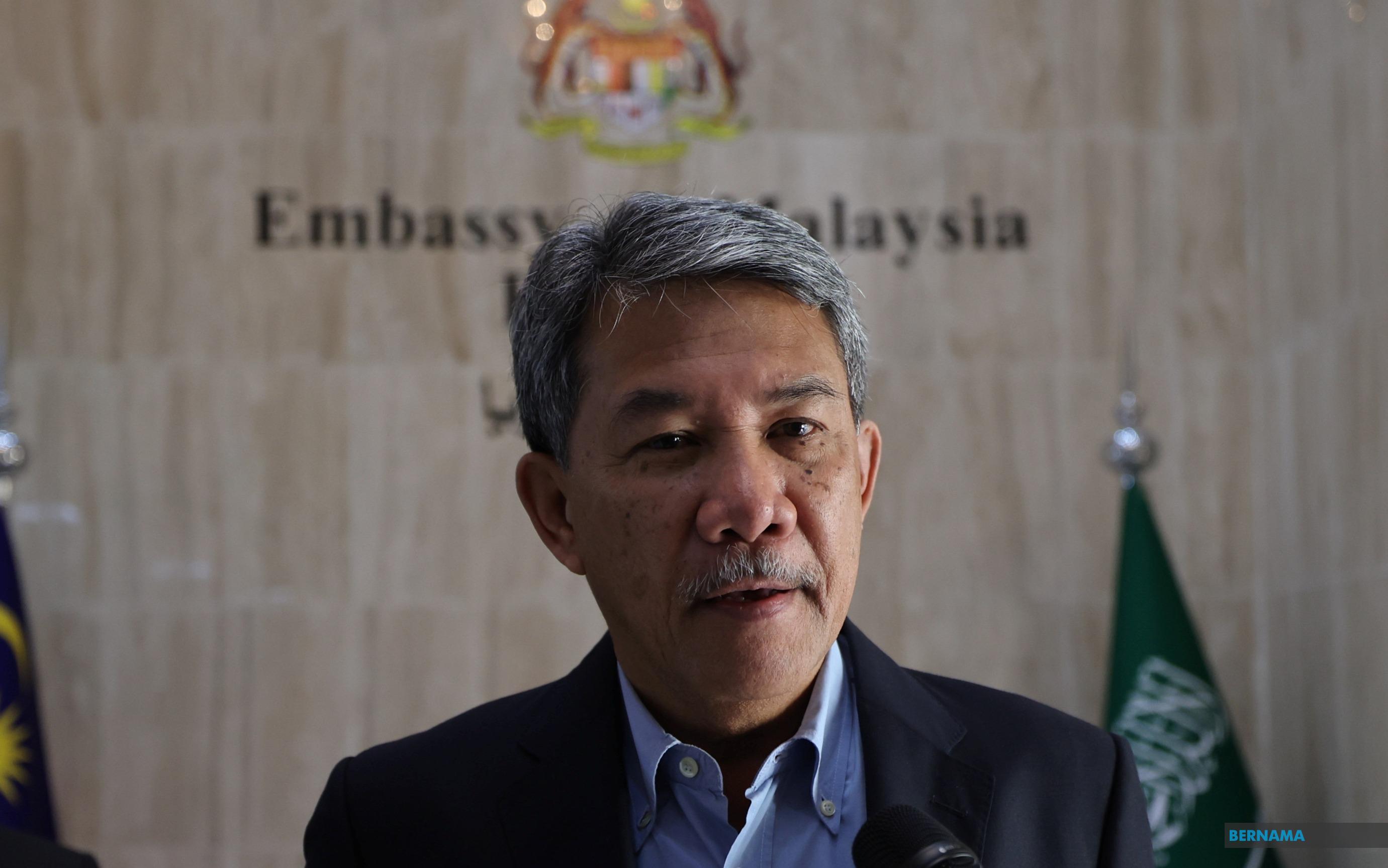
Foreign Minister Datuk Seri Mohamad Hasan has arrived in Jeddah to lead Malaysia's participation in an extraordinary meeting of the Council of Foreign Ministers of the Organisation of Islamic Cooperation, scheduled for the following day. The minister touched down at King Abdulaziz International Airport on the evening of August 26, where he received a formal reception from Malaysian Ambassador to Saudi Arabia Datuk Syed Bakri Syed Abdul Rahman, underscoring the diplomatic significance of the gathering.
The one-day summit represents a focused effort by the OIC to address urgent developments affecting Palestinian territories, with particular emphasis on the humanitarian and political implications of the situation in Gaza and the West Bank. The agenda also encompasses discussion of ongoing Israeli settlement expansion in occupied Palestinian lands, matters that have consistently drawn international concern and condemnation from member states of the Islamic bloc.
Malaysia's engagement at this diplomatic platform carries particular weight given the country's longstanding advocacy for Palestinian rights and its role as a vocal member of the Non-Aligned Movement. Ambassador Syed Bakri stressed that Malaysia's attendance represents more than ceremonial participation, characterising it as an essential opportunity for the nation to articulate its principled stance on Israeli actions and military operations against Palestinian populations. The government views such forums as vital channels for translating domestic policy commitments into multilateral advocacy.
During the meeting, Mohamad will present Malaysia's formal national statement, which is expected to reiterate the country's consistent position on Palestinian self-determination. The statement will emphasise Malaysia's unwavering commitment to the Palestinian people's legitimate right to struggle for independence and to establish a sovereign nation based on the internationally recognised borders that existed before the 1967 war. This formulation, rooted in UN resolutions and international law, remains central to Malaysia's diplomatic framework on Middle Eastern affairs.
For Malaysian policymakers and observers, the meeting carries implications extending beyond symbolic solidarity. The gathering provides an opportunity to assess the coherence and coordination of the OIC's collective response to Palestinian issues at a moment when international attention to the conflict fluctuates with media cycles. Malaysia's participation allows it to influence the messaging that emerges from the bloc and ensures that Southeast Asian Muslim-majority voices are represented in discussions that shape Islamic world consensus.
Beyond the formal agenda, Mohamad's presence in Jeddah is anticipated to facilitate bilateral engagements with counterparts from various nations. These side meetings typically address opportunities for deepening cooperation across multiple domains, including commercial partnerships, trade arrangements, and investment initiatives. Such diplomatic encounters serve dual purposes, combining substantive discussion of regional issues with practical advancement of national economic interests, a balance that reflects contemporary foreign ministry operations across the developing world.
Malaysia's approach to Palestinian advocacy has historically combined principled statements with tangible support through multilateral organisations and development assistance. The country's OIC membership provides institutional mechanisms for this engagement, though Malaysia also participates through other forums such as the United Nations and the Non-Aligned Movement, creating multiple channels for advancing its position on this longstanding regional conflict.
The timing of this extraordinary meeting reflects ongoing international concern about escalations in the Middle East. Convening at the ministerial level rather than through permanent representatives or technical committees signals the gravity with which member states view current developments. For Malaysia, attendance demonstrates its serious commitment to these issues and positions the nation as an active participant in shaping responses rather than a silent observer.
The delegation's composition and the ministerial-level attendance also serve domestic political purposes within Malaysia. The country's Muslim-majority population maintains strong emotional and religious connections to Palestinian causes, and government responses to Middle Eastern developments carry significance for domestic political constituencies. By ensuring high-level participation and coordinated messaging, the government demonstrates responsiveness to these concerns while channelling them through established diplomatic mechanisms.
As Malaysia continues to develop its role in international affairs, meetings such as this OIC gathering provide opportunities to calibrate the nation's positioning between principled advocacy for developing world causes and pragmatic engagement with multiple international partners. The balance between vocal support for Palestinian rights and maintenance of diplomatic relationships with other nations remains a consistent feature of Malaysian foreign policy, tested regularly through forums like this gathering.

