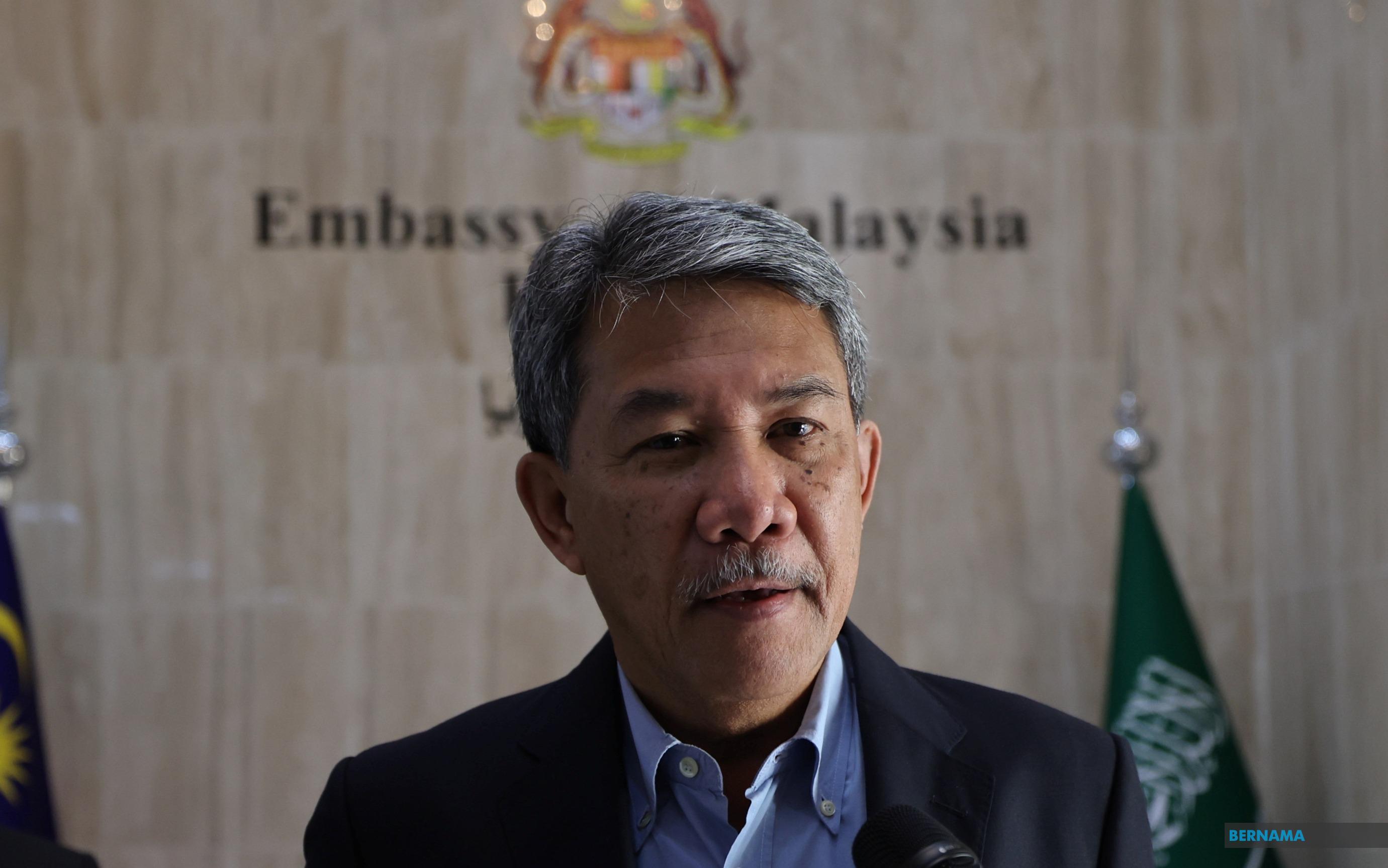
Malaysia's Foreign Minister Datuk Seri Mohamad Hasan is undertaking a three-day working visit to Brunei beginning August 20 and concluding on August 22, with the Ministry of Foreign Affairs confirming the trip focuses on two significant bilateral engagements between the neighbouring countries. The visit carries considerable strategic importance as it encompasses both the 27th Malaysia-Brunei Exchange of Letters (EOL-27) Implementation Meeting scheduled for August 21 and the 27th Malaysia-Brunei Annual Leaders' Consultation (ALC-27) set for August 22, marking key milestones in the diplomatic calendar of the two sultanates.
The EOL-27 meeting will be jointly directed by Mohamad Hasan alongside Brunei's Second Minister of Foreign Affairs, Datuk Seri Setia Erywan Mohd Yusof, positioning both officials as key architects of the discussions. This co-chairmanship arrangement underscores the balanced and collaborative nature of the bilateral relationship, with both nations contributing equally to the agenda-setting process. The structure reflects the diplomatic maturity characterising Malaysia-Brunei relations, where institutional mechanisms are designed to ensure sustained dialogue and mutual respect between the two governments.
The annual Exchange of Letters meeting serves as a crucial institutional framework for addressing outstanding matters between Malaysia and Brunei. Beyond merely resolving existing issues, the forum provides a structured platform for identifying and pursuing fresh avenues of cooperation. The mechanism also enables both countries to assess the implementation status of agreements and commitments made during the previous year's Annual Leaders' Consultation, ensuring that high-level diplomatic promises translate into concrete bilateral action. This institutional continuity demonstrates how Malaysia and Brunei have institutionalised their relationship beyond ceremonial exchanges.
Significantly, the agenda encompasses sensitive matters involving territorial boundaries in both terrestrial and maritime domains. Land and maritime boundary discussions represent longstanding elements of Malaysia-Brunei diplomacy, requiring sustained technical and political engagement. These conversations are conducted within a broader framework of regional stability and international maritime law, positioning the dialogue as part of Southeast Asia's broader governance architecture. The willingness to address boundary matters through established bilateral mechanisms reflects confidence in conflict resolution mechanisms and shared commitment to peaceful settlement of differences.
Economic cooperation forms another pillar of the discussions, reflecting the two countries' recognition that prosperity and trade are mutually reinforcing. Malaysia and Brunei have sustained commercial ties that demonstrate the resilience of economic partnerships between ASEAN members despite geographical constraints and market size differences. The explicit commitment to strengthening economic frameworks suggests both nations see untapped potential in deepening trade relations and exploring new sectors for investment and collaboration.
Trade data illustrates the significance of the commercial relationship between the two nations. During 2025, bilateral trade reached RM5.86 billion, equivalent to approximately USD 1.37 billion, establishing a meaningful volume of commerce that justifies dedicated focus on trade enhancement. The subsequent performance during the first half of 2026 recorded RM2.38 billion in bilateral trade, valued at USD 0.6 billion, indicating continued momentum in economic exchanges despite the midyear timeframe. These figures demonstrate that despite Brunei's smaller economy relative to Malaysia, the relationship warrants strategic investment in deepening commercial ties.
The timing of this working visit reflects Malaysia's broader commitment to ASEAN solidarity and bilateral partnership maintenance across Southeast Asia. By maintaining regular high-level engagements with Brunei, Malaysia demonstrates that commitment to regional partnerships extends beyond larger economies to include all member states. This approach reinforces ASEAN's principle of mutual respect and equal treatment, ensuring smaller nations like Brunei receive proportionate diplomatic attention.
For Malaysian readers, this visit signifies the government's sustained engagement in regional diplomacy and boundary management. Transparent dialogue on maritime and terrestrial boundaries through established mechanisms reduces misunderstandings and contributes to regional stability. The emphasis on economic cooperation suggests Malaysian policymakers view Brunei as a valuable partner for exploring new trade opportunities, potentially benefiting Malaysian exporters and investors seeking to diversify their regional portfolios.
The Annual Leaders' Consultation scheduled for August 22 represents the apex of bilateral engagement, where the highest political authorities from both nations assess the state of the relationship comprehensively. This gathering synthesises discussions from the technical and working levels, allowing leaders to provide strategic direction and approve framework agreements. The sequence of meetings, progressing from technical exchanges to senior ministerial discussions and culminating in leaders' consultation, reflects sophisticated diplomatic choreography designed to maximise productive outcomes.
Looking forward, the outcomes from these meetings will likely shape Malaysia-Brunei cooperation throughout the remainder of 2026 and beyond. Successful navigation of boundary discussions and identification of new economic collaboration areas could set the tone for the next cycle of bilateral engagement. The working visit thus represents not merely a ceremonial obligation but a substantive opportunity to advance mutual interests while reinforcing the institutional pillars upon which Malaysia-Brunei relations rest.

