The leadership of Asia's two most populous democracies came together in Jakarta this week for discussions that underscore growing coordination between major Global South powers navigating an increasingly contested geopolitical landscape. Indian Prime Minister Narendra Modi's meeting with Indonesia's President Prabowo Subianto on Tuesday reflected the strategic importance both nations now assign to their bilateral relationship, particularly as economic protectionism rises and regional competition intensifies across the Indo-Pacific.
The discussions between Modi and Prabowo covered an expansive agenda reflecting the depth of their strategic partnership. Defence and security matters are expected to feature prominently, alongside concrete measures to boost bilateral trade and investment. Both countries have identified shared vulnerabilities in food and energy security—critical concerns for nations supporting over 800 million people combined—while cooperation on critical mineral supplies represents a growing focus as global supply chains restructure away from traditional arrangements. The two governments are also exploring joint capacity-building initiatives in sectors ranging from healthcare to education, areas where Indian expertise could complement Indonesia's development priorities.
Formal codification of this expanded cooperation is expected through eight bilateral agreements and multiple memoranda of understanding to be signed during Modi's three-day visit. This substantial number of formal instruments indicates the comprehensive nature of the relationship upgrade both nations are pursuing. The announcement of these agreements will likely signal to regional partners and global stakeholders that New Delhi and Jakarta see their partnership as foundational to Indo-Pacific stability and prosperity.
Modi's arrival in Jakarta on Monday evening was marked by ceremonial flourishes that conveyed Indonesia's esteem for the Indian leader. Three Indonesian fighter jets escorted his aircraft into national airspace, while President Prabowo personally greeted him on the tarmac at Halim Perdanakusuma Air Force Base—an unusually high honour that demonstrated Jakarta's desire to cement ties with New Delhi. This visit marks Modi's second trip to Indonesia as Prime Minister since taking office, with his previous visit occurring in 2018. The reciprocal high-level engagement extends to Prabowo's participation as chief guest at India's Republic Day celebrations last year, illustrating a pattern of mutual respect and strategic prioritisation.
Defence cooperation is poised to become a defining feature of this partnership. Indian Ambassador to Indonesia Sandeep Chakravorty has indicated that discussions regarding Indonesia's acquisition of India's BrahMos supersonic cruise missile system are at an advanced stage. This potential procurement would represent a significant technological transfer and mark Indonesia's growing comfort in deepening military ties with India. Beyond specific weapons systems, both nations share overlapping maritime security interests along the vital shipping corridors connecting the Indian Ocean and Pacific Ocean regions, where freedom of navigation has become increasingly contested. Expanded maritime security cooperation would allow both countries to better protect their economic interests and contribute to regional stability.
A digital commerce initiative is expected to launch during Modi's stay, reflecting the two nations' commitment to technological cooperation. The Indonesia Open Network platform, modelled on India's pioneering digital public infrastructure architecture, represents an effort to create alternative digital governance systems that do not rely on Western-dominated platforms. This initiative carries broader implications for Southeast Asia, potentially offering a template for other regional nations seeking indigenous digital infrastructure solutions that prioritise national autonomy and data sovereignty.
Modi's scheduled address to Indonesia's Parliament on Tuesday carries symbolic weight, allowing him to articulate India's vision for regional partnership directly to Jakarta's lawmakers. His subsequent engagement with Indonesia's Indian diaspora community—estimated at several hundred thousand—will reinforce grassroots connections between the two societies. Indian communities in Southeast Asia have historically served as bridges for cultural and commercial exchange, and strengthening these ties complements official governmental cooperation.
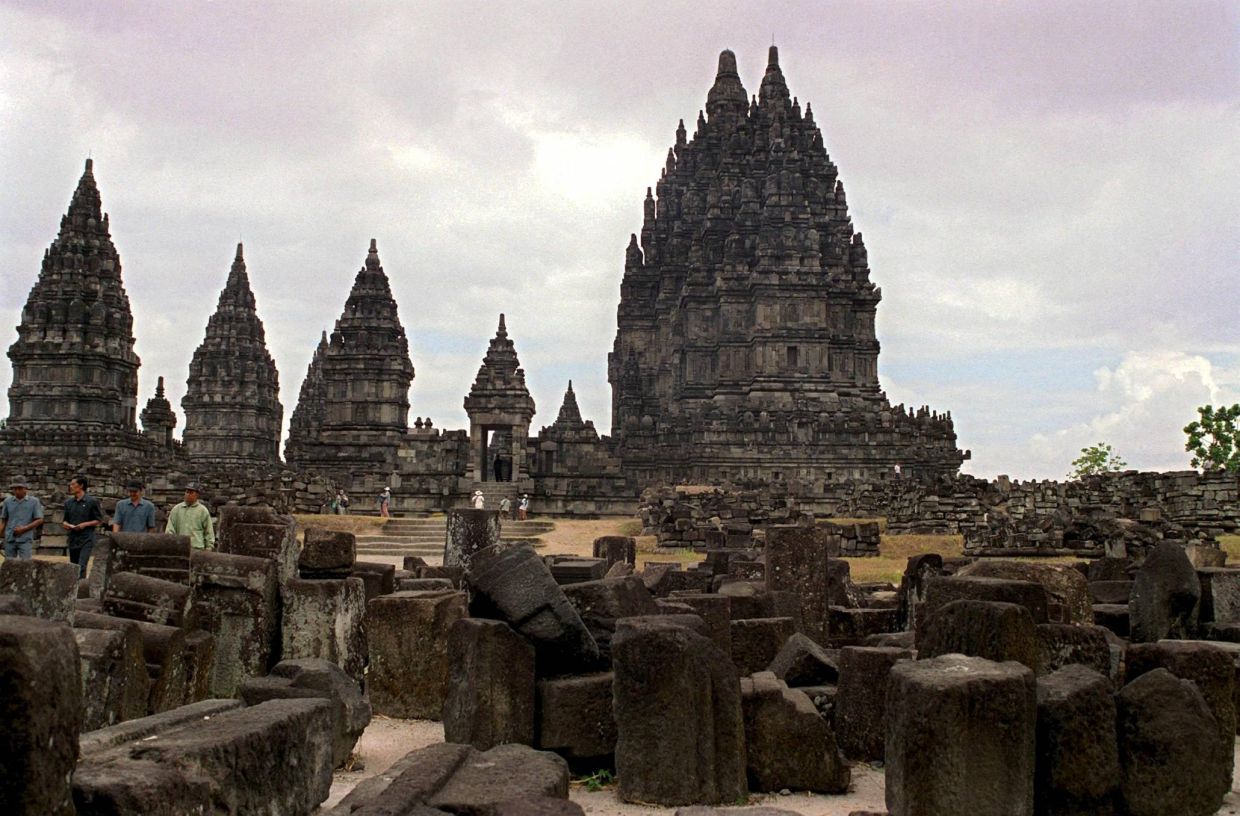
The visit extends beyond Jakarta's confines. Modi is expected to travel to Yogyakarta on Wednesday to announce the commencement of an Indian-supported restoration project at the Prambanan Temple, one of Indonesia's most significant Hindu cultural heritage sites. This cultural dimension to the strategic partnership is not merely ceremonial but carries substantive meaning, signalling Indian commitment to preserving shared Hindu-Buddhist heritage across Asia and deepening people-to-people connections. The restoration project emerged from commitments made during Prabowo's earlier visit to India, demonstrating follow-through on bilateral agreements.
The timing of this engagement reflects broader strategic calculations by both New Delhi and Jakarta. As a member of both the Group of 20 and BRICS, Indonesia represents a critical voice in global forums where developing nations increasingly challenge Western-dominated international order. India similarly occupies an influential position in these multilateral frameworks. By coordinating their positions and deepening bilateral ties, both nations enhance their collective leverage in international negotiations while building a stable regional foundation.
Indian Ambassador Chakravorty's assertion that closer ties between two Global South leaders are essential for projecting unified strength carries particular resonance in the current geopolitical environment. As major democratic powers in Asia, India and Indonesia face pressures to align with competing strategic blocs. Their emphasis on autonomous cooperation grounded in mutual interest rather than Cold War-style alliance dynamics offers an alternative model for regional partnership. This approach particularly resonates across Southeast Asia, where nations value strategic flexibility and non-alignment.
Modi's broader Indo-Pacific tour—extending from Indonesia to Australia and New Zealand—represents a comprehensive engagement strategy with democratic partners across the region. Australia's inclusion in this itinerary reflects the deepening Australia-India relationship, while New Zealand participation underscores shared democratic values. However, Indonesia's positioning as the first stop demonstrates India's prioritisation of Southeast Asia and the centrality of Indonesia to any coherent Indo-Pacific strategy.
The outcomes of this visit will likely reverberate beyond bilateral relations. ASEAN nations will closely monitor India-Indonesia cooperation developments, particularly on maritime security and digital infrastructure initiatives that could extend regionally. The BrahMos missile discussions may prompt other regional players to explore comparable acquisitions, potentially reshaping Southeast Asian military capabilities. Similarly, the Indonesia Open Network model could inspire regional alternatives to centralised digital platforms, contributing to Asia's technological diversification.
For Malaysia and other Southeast Asian nations, this India-Indonesia partnership represents both opportunity and challenge. Deeper India-Indonesia ties strengthen ASEAN's position as a balancing power in regional affairs, yet Malaysia must navigate carefully to maintain its own equitable relationships with all major powers. The success of this partnership in economic and security domains offers templates for other regional bilaterals while reinforcing Southeast Asia's centrality to Indo-Pacific strategic competition.

