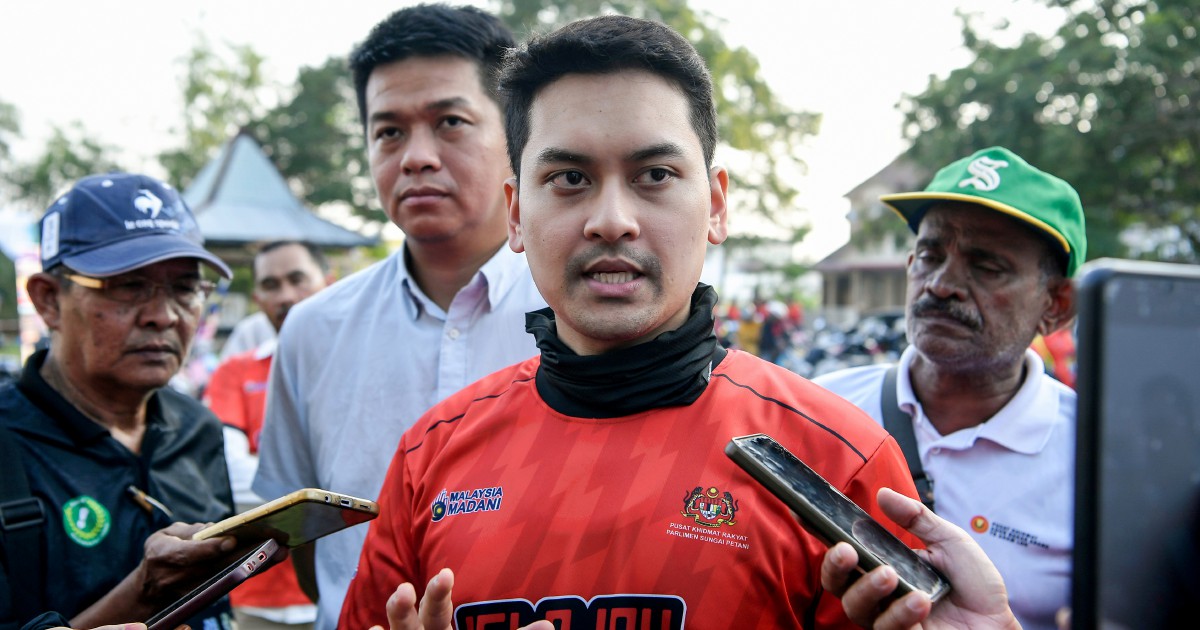
Dr Mohammed Taufiq Johari, Malaysia's Minister for Youth and Sports, has called for an exhaustive probe into the circumstances surrounding the death of an 11-year-old student in Alor Star, who allegedly collapsed during or immediately following a teacher-directed sporting activity at school. The minister's intervention signals the gravity with which authorities are treating the incident and reflects growing public concern about student safety during physical education and extracurricular athletic programmes in Malaysian schools.
The girl's death has been attributed to an underlying heart condition, though the exact sequence of events leading to the fatal episode remains unclear. What has prompted particular scrutiny is the allegation that she was instructed by a teacher to participate in the sporting activity despite potential warning signs or health considerations that should have been identified beforehand. This aspect of the case has become the focal point of the investigation, as it touches on fundamental questions about institutional responsibility and the duty of care that schools owe to their students.
The incident underscores a persistent tension in Malaysian educational practice between promoting physical fitness and athletic participation among young people and ensuring that participation is conducted safely, with appropriate medical screening and supervision. Schools regularly encourage or require students to engage in sports and physical activities, yet the infrastructure for identifying students with underlying cardiac or other health vulnerabilities is often inconsistent across different institutions. Many primary and secondary schools lack access to adequate health screening facilities or trained medical personnel who can assess students' fitness for strenuous physical exertion before they participate in organised sporting events.
The minister's demand for a comprehensive investigation suggests that government-level scrutiny will examine not only the immediate circumstances of the girl's death but also the broader context of how the school managed student participation in the activity. This would likely include questions about whether proper parental consent and health disclosure forms were completed, whether the teacher conducting the activity had received training in first aid or recognising signs of cardiac distress, and whether the school had emergency medical procedures in place to respond to sudden health crises during sporting activities.
For Malaysian parents and educators, this incident serves as a stark reminder of the potential risks associated with physical activities in schools. While the death of a young person from a pre-existing heart condition can occur regardless of the circumstances, the allegation that the girl was instructed to participate despite her condition raises the question of whether warning signs were overlooked or dismissed. This is particularly concerning given that some cardiac conditions in children can be asymptomatic until triggered by exertion, meaning that a child and even their parents might be unaware of the risk until a catastrophic event occurs.
The investigation by Dr Mohammed Taufiq Johari's ministry will likely produce recommendations for policy changes at both the school and potentially the national level. These could include revised protocols for pre-participation health screening, enhanced training requirements for teachers and coaches who supervise sporting activities, and clearer guidelines about when students should be exempted from participation based on medical concerns. Such measures would bring Malaysia more in line with international best practices, particularly in developed nations where comprehensive pre-participation medical evaluations are standard in schools and youth sports programmes.
Parallel to the sports ministry's investigation, other agencies are likely to be involved in determining the exact cause of death and establishing whether any liability existed. Educational authorities and possibly the police will examine whether there were any breaches of duty or negligence in how the school managed the student's participation. The family's access to justice will partly depend on the thoroughness and findings of these various inquiries, as will the potential for civil claims if it is determined that the school failed in its duty of care.
This case arrives amid broader conversations in Malaysia about student wellness and the pressures placed on young people to perform academically and athletically. The competitive culture in some Malaysian schools can inadvertently discourage students from disclosing health concerns or opting out of activities, fearing they might fall behind their peers or disappoint teachers and parents. Creating an environment where students feel empowered to report health concerns without fear of social or academic consequences is essential to preventing similar tragedies.
The incident also highlights gaps in communication between schools, parents, and medical professionals. Many parents may not fully understand their child's cardiac status or may not have disclosed relevant family history of heart conditions to the school. Conversely, schools may lack systematic methods for identifying students whose family or personal medical history suggests heightened risk. Establishing clearer communication pathways and requiring more comprehensive health disclosures from parents could help schools make more informed decisions about student participation in strenuous activities.
Looking forward, the findings from Dr Mohammed Taufiq Johari's investigation will be closely watched by school administrators throughout Malaysia, as well as by parents concerned about their own children's safety during school sporting events. The investigation has the potential to catalyse meaningful change in how Malaysian schools approach student health and safety, but only if its recommendations are rigorously implemented and monitored. The death of this young student, while tragic and perhaps preventable in some respects, could ultimately lead to systemic improvements that protect future generations from similar harm.

