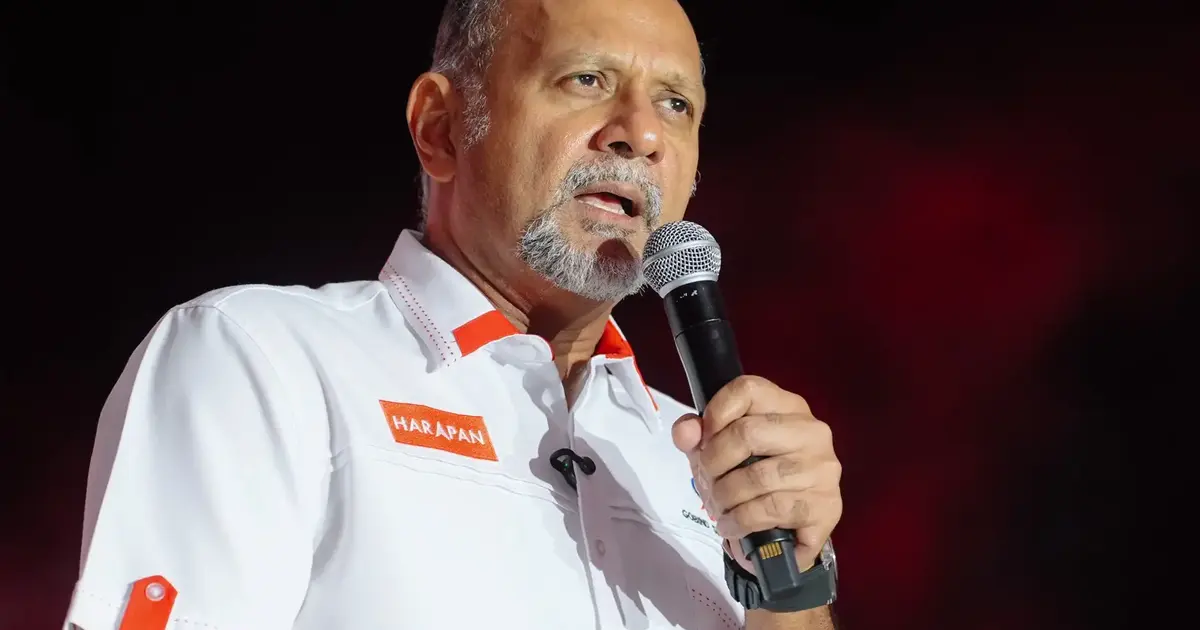
Digital Minister Gobind Singh has publicly demanded clarity from the Attorney-General regarding the pace of investigations into the Durian Tunggal shooting incident, signalling mounting frustration within the government coalition over what he characterizes as undue slowness in pursuing the case. As chairman of the Democratic Action Party, Singh has positioned the inquiry as a matter of institutional accountability, indicating his intention to bring the issue before the full Cabinet at its next scheduled meeting to ensure broader political oversight and expedited action.
The Durian Tunggal shooting represents a significant law enforcement matter that has drawn political attention across Malaysian governance circles. The case's progression has apparently fallen short of expectations set by government figures, prompting Singh to formally challenge the Attorney-General's office on the reasons for investigative delays. This intervention reflects a broader pattern within Malaysia's executive branch where Cabinet ministers increasingly engage directly with the legal establishment on matters of public concern, blending ministerial responsibility with judicial oversight.
Gobind Singh's decision to escalate the matter to Cabinet level demonstrates the gravity with which the DAP views the situation and suggests internal government concern that standard investigative procedures may not be delivering results with sufficient urgency. By announcing his Cabinet intervention publicly, Singh is also signalling to constituents and party supporters that the government is committed to pursuing accountability in the case, while simultaneously placing pressure on the Attorney-General's office to demonstrate progress and justify any operational constraints affecting the investigation's timeline.
The involvement of Malaysia's digital minister in a shooting investigation underscores how security matters increasingly cross portfolio boundaries within contemporary governance structures. Singh's dual role as a senior Cabinet figure and party chairman gives him considerable leverage to influence both executive and parliamentary discussions around law enforcement priorities and resource allocation. His public comments serve to elevate the case beyond routine investigative channels, framing it as an issue of ministerial concern and political will.
The timing of Singh's intervention, coupled with his explicit mention of tomorrow's Cabinet discussion, indicates that the government intends to make this a formal agenda item rather than allowing it to remain a behind-the-scenes diplomatic matter between the Attorney-General and individual ministers. This approach reflects a deliberate strategy to create accountability mechanisms and public visibility around the investigation's progress, which may serve both to expedite proceedings and to manage public expectations regarding case resolution.
For Malaysian observers, the episode illustrates the complex interplay between Malaysia's political executive and its law enforcement apparatus. While the Attorney-General's office technically operates with substantial autonomy in investigative and prosecutorial matters, political pressure from Cabinet members represents a reality of governance that can either facilitate more efficient resource deployment or, conversely, raise questions about political interference in judicial processes. Singh's measured approach—demanding explanation rather than directing action—occupies a middle ground that preserves institutional separation while asserting executive interest.
The public nature of Singh's complaint also signals to the broader Malaysian legal community and law enforcement establishment that ministerial patience on high-profile cases has limits. By bringing the matter to Cabinet, Singh ensures that the Attorney-General's office will receive formal government inquiries and potentially pressure to provide detailed justifications for investigative timelines. This creates a documentation trail and establishes political accountability for progress, or lack thereof, in the coming weeks.
Regionally, Malaysia's handling of high-profile security incidents reflects the country's ongoing efforts to demonstrate effective governance and rule of law to domestic and international audiences. Delays in significant investigations can undermine public confidence in institutional capacity and may invite scrutiny from international observers monitoring judicial independence and law enforcement standards. Singh's intervention thus serves a broader institutional interest in demonstrating that Malaysia's political system possesses mechanisms for oversight and accountability when concerns arise.
The Cabinet discussion planned for tomorrow will likely involve the Attorney-General providing a formal briefing on investigative status, identified obstacles, resource constraints, and projected timelines for the Durian Tunggal case. This structured engagement creates an opportunity for government-wide coordination on priorities and may result in additional resources or administrative support being mobilized to accelerate proceedings. Singh's advance announcement of the Cabinet discussion also prevents the Attorney-General from controlling the narrative unilaterally, ensuring that multiple perspectives on the case's importance and urgency will be represented at the highest governance level.

