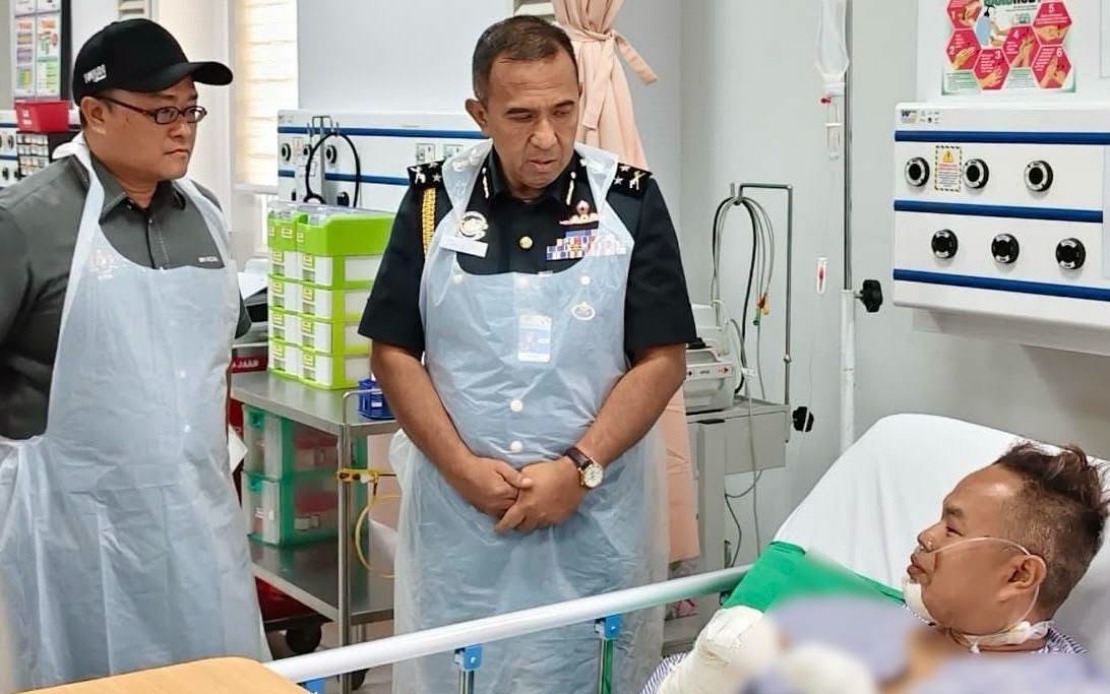
Two enforcement officers from the Domestic Trade and Cost of Living Ministry (KPDN) sustained injuries while conducting fieldwork in Selangor as part of Ops Tiris 4.0, a crackdown targeting the unauthorised transfer of subsidised liquefied petroleum gas through illicit decanting practices. The incident has drawn attention to the occupational hazards that enforcement personnel encounter when investigating breaches of Malaysia's subsidy regulations and consumer protection frameworks.
Assistant Enforcement Officer Mohammad Fauzi Baharuddin received what the ministry characterised as fairly serious injuries and remains under medical care, while Enforcement Assistant R. Yoghanath sustained minor injuries and was discharged after treatment. The circumstances surrounding the incident have not been detailed publicly, though the nature of the operation—which typically involves inspections and raids on facilities suspected of illegally repackaging subsidised LPG for sale at inflated prices—suggests encounters with operators determined to protect their unlawful activities.
Minister Datuk Armizan Mohd Ali addressed the incident through a Facebook statement, extending prayers for Mohammad Fauzi's complete recovery and expressing confidence in his resilience through the treatment process. The minister's remarks signalled official acknowledgment of the personal toll such incidents exact on officers and their families, who must contend with anxiety and uncertainty during recovery periods. His recognition of the emotional burden on Yoghanath and his family members reflected a broader ministerial concern for workplace safety within the enforcement division.
The minister's statement went beyond individual sympathy to articulate a systemic challenge: enforcement operations require officers to leave their families and enter situations with unpredictable outcomes and genuine physical danger. This framing positions the injured personnel within a larger context of public service, where individuals sacrifice personal security to protect community interests and national economic objectives. The acknowledgment of such risks carries particular weight given Malaysia's ongoing struggles with subsidy leakage and the black market for price-controlled commodities.
Ops Tiris 4.0 represents the government's intensified response to LPG subsidy fraud, a persistent problem that diverts government resources and distorts market conditions. The operation targets decanting activities—the illegal practice of transferring subsidised LPG from domestic canisters into larger containers for commercial resale—which undermines the government's assistance to lower-income households and small businesses. By cracking down on such practices, enforcement personnel directly protect the integrity of the subsidy system and ensure that intended beneficiaries actually receive the economic benefits of government support.
The vulnerability of enforcement staff conducting these operations reflects broader challenges in Malaysia's regulatory environment. Unlike desk-based administrative roles, field enforcement exposes officers to confrontation with individuals economically motivated to resist inspection and seizure of their inventory. The fact that injuries occurred during routine duties underscores that such risks are not hypothetical but present during ordinary operational activities. The ministry's public acknowledgment of these dangers represents an implicit commitment to officer welfare and safety protocols.
Armizan's remarks explicitly thanked all KPDN enforcement personnel for their courage and willingness to accept occupational hazards. This messaging serves multiple purposes: it recognises the contributions of the broader enforcement cohort, potentially boosting morale within an agency that operates under demanding conditions; it signals to the public that enforcement personnel are making genuine sacrifices; and it frames subsidy protection as a collective responsibility worthy of public appreciation. In a context where enforcement agencies sometimes face criticism over operational effectiveness, such ministerial support can reinforce institutional confidence.
The timing and content of the minister's statement also carry political implications. By publicly addressing the incident and extending prayers, Armizan demonstrates responsive leadership and emotional connection to personnel under his ministry's purview. Such gestures matter in the Malaysian administrative context, where ministers are expected to show concern for civil servants' wellbeing. The emphasis on the officers' dedication and the risks they accept also advances the narrative that subsidy protection requires ongoing commitment and resource allocation.
From a Southeast Asian perspective, Malaysia's struggle with subsidy fraud reflects patterns seen across the region. Governments throughout Southeast Asia have implemented price controls on essential commodities to protect lower-income populations, yet these mechanisms consistently create black markets and incentivise illegal activity. The fact that enforcement requires officers to face physical danger suggests that the economic incentives driving subsidy abuse are substantial enough to warrant aggressive risk-taking by violators. This dynamic highlights the structural challenges embedded in commodity subsidy regimes.
The incident also raises questions about whether enforcement personnel receive adequate training, protective equipment, and support when conducting high-risk operations. While the minister's statement focuses on individual recovery and broader recognition of service, sustained operational effectiveness depends on systemic investments in officer safety and operational planning. The varying severity of injuries—one officer remaining hospitalised while another was discharged—may reflect differences in the specific circumstances or in the luck of the particular encounter.
Looking forward, this incident will likely influence how the KPDN calibrates its enforcement approach. Agencies conducting subsidy protection operations must balance aggressive enforcement against officer safety, a tension that becomes acute when personnel are injured. The ministry may reassess operational procedures, consider enhanced protective measures, or adjust deployment strategies to mitigate risks. The political visibility of this incident—achieved through the minister's public statement—may also generate internal pressure to prioritise officer welfare more explicitly in operational planning.
The broader implication for Malaysia's subsidy system is that protecting it from fraud requires an enforcement apparatus willing to accept occupational risks. Whether the current commitment and investment levels are adequate to address the scale of subsidy leakage remains an ongoing policy question. What is clear is that without enforcement personnel willing to enter risky situations, subsidy protections become merely symbolic rather than functionally effective. The injuries sustained by Mohammad Fauzi and Yoghanath represent the human dimension of this administrative reality.

