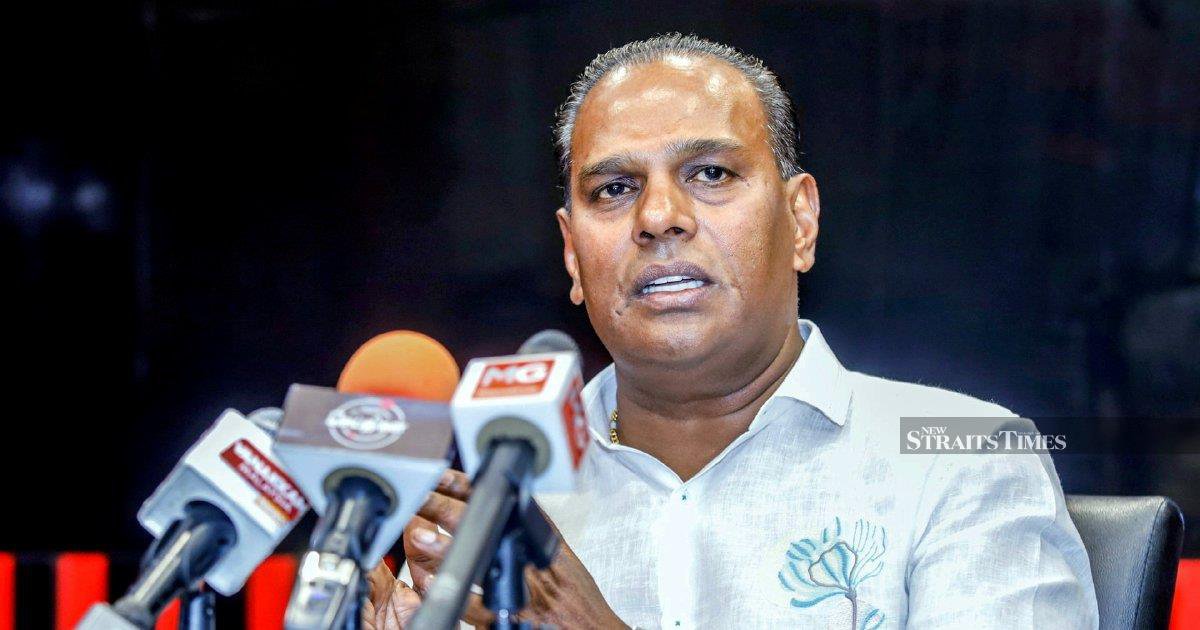
Datuk Seri M. Saravanan, the deputy president of the Malaysian Indian Congress, has publicly confirmed that he will present himself before the KL Sessions Court tomorrow to face charges. The development represents a significant juncture for the senior politician and the MIC, one of Malaysia's oldest political organisations and a longtime component party within the Barisan Nasional coalition.
The confirmation from Saravanan comes as the legal matter moves into its formal courtroom phase, with the accused expected to make his appearance before the judicial authorities. This marks a transition from investigative proceedings to the actual charging phase, a critical milestone in the Malaysian legal process that typically signals the prosecution's readiness to proceed with formal allegations.
Saravanan's role as deputy president of the MIC places him among the party's highest-ranking leadership cadre. The MIC has historically served as the principal representative of Malaysian Indian interests within the broader political framework, and developments involving its senior officials often carry implications for the party's standing and internal dynamics. The situation underscores the scrutiny that senior political figures face in Malaysia's evolving governance landscape.
The decision to publicly confirm his court appearance demonstrates a measure of transparency from Saravanan, allowing stakeholders and the media to prepare for the legal proceedings. Political figures in Malaysia have taken varied approaches to such situations, with some opting for quiet handling while others choose public acknowledgment. Saravanan's forthright confirmation suggests a deliberate strategy to address the matter head-on rather than allow speculation to dominate the narrative.
For the MIC specifically, this development occurs against the backdrop of the party's broader efforts to maintain relevance and influence within Malaysian politics. As the Indian-Malaysian community weighs in on political issues affecting their interests, the conduct and legal standing of senior party officials inevitably shapes perceptions of the organisation's credibility and leadership quality. The party will likely need to navigate how this matter is communicated both internally and to its supporter base.
The KL Sessions Court represents the appropriate jurisdiction for such proceedings, and the formal setting ensures that the legal process will unfold according to established Malaysian jurisprudential standards. The Sessions Court handles a range of civil and criminal matters, and cases involving political figures have occasionally drawn considerable public and media attention. The court's proceedings will be open to observation, allowing the public to monitor how the justice system handles allegations involving prominent political personalities.
This development also reflects the current operating environment for Malaysian politics, where legal scrutiny of political figures appears to be a regular feature of the national landscape. Whether this reflects enhanced enforcement efforts, greater accountability mechanisms, or other systemic factors remains a subject of ongoing public discourse. Nonetheless, the pattern of political figures facing legal challenges has become sufficiently commonplace to warrant serious consideration as a defining characteristic of contemporary Malaysian governance.
The implications for Saravanan personally extend beyond his immediate legal jeopardy to potentially encompass his future political trajectory. Depending on the nature and outcome of the charges, his capacity to continue serving as MIC deputy president may be affected either temporarily through suspension or more permanently through removal from office. Political parties typically have internal mechanisms for addressing members facing serious legal allegations, though specific party constitutions and regulations determine the precise procedures and timelines.
For Malaysian voters and observers, particularly those concerned with Indian-Malaysian representation and community issues, this situation may prompt reflection on the calibre and integrity of political leadership. The MIC's ability to demonstrate strong governance and ethical standards among its leadership will be crucial to maintaining public confidence, especially as the party navigates an increasingly competitive political landscape where multiple organisations vie for Indian-Malaysian support.
The court appearance scheduled for tomorrow will mark the opening of a judicial phase that could span weeks, months, or longer depending on case complexity and trial duration. Legal observers and political commentators will likely scrutinise both the charges and the court's handling of the matter, contributing to broader discussions about judicial independence and the treatment of politically-connected defendants within Malaysia's legal system.

