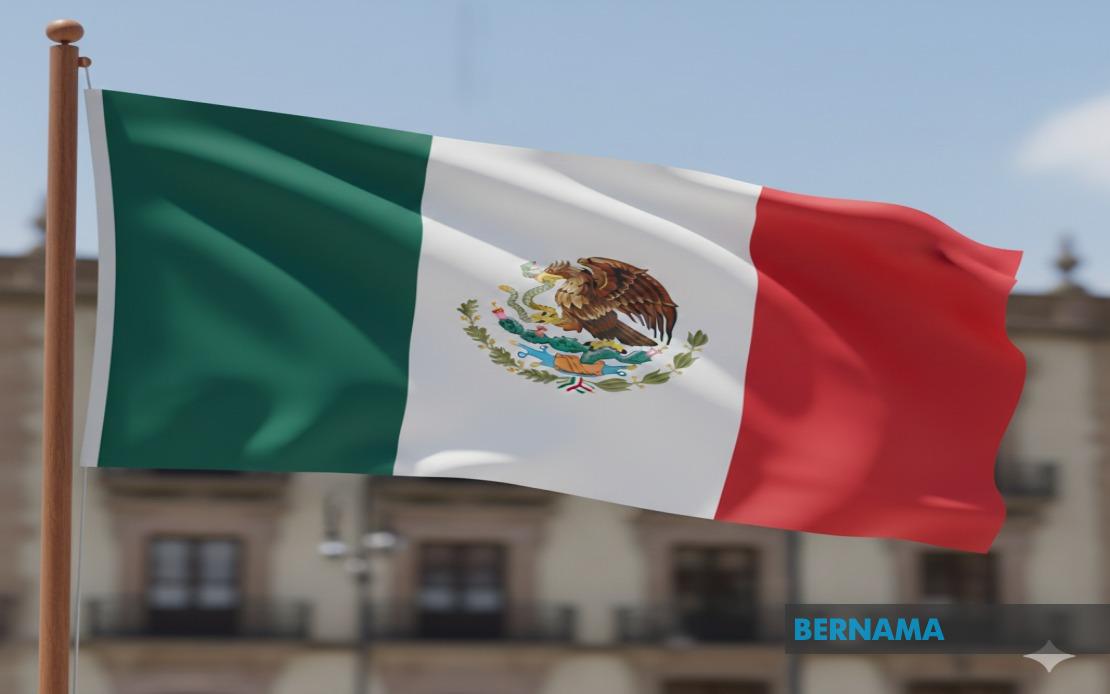
Mexico has elevated its response to a troubling pattern of Mexican citizen deaths linked to US Immigration and Customs Enforcement operations by formally requesting UN intervention. Foreign Minister Roberto Velasco submitted a letter to UN High Commissioner Volker Türk seeking comprehensive review of these incidents, signalling that Mexico City is moving beyond conventional diplomatic protest toward international legal accountability mechanisms that could carry significant political weight.
The request represents a notable escalation in Mexico's handling of what has become an increasingly sensitive bilateral irritant. Rather than limiting itself to quiet representations through standard diplomatic channels, the Mexican government is leveraging the UN's human rights machinery to pressure Washington on an issue that resonates deeply with Mexican public opinion and touches on fundamental questions of migrant protection and state accountability.
According to Mexican government documentation, the scope of the problem extends beyond headline-grabbing incidents. Three Mexican nationals have lost their lives during active ICE enforcement operations, while an additional fourteen have died whilst confined in deportation detention facilities. These figures underscore a systemic pattern that transcends isolated incidents, suggesting structural issues within US immigration enforcement and detention systems that warrant international scrutiny.
The High Commissioner's office has been asked to undertake several specific investigative and analytical tasks. Beyond examining the circumstances surrounding each death, the UN body will assess whether these incidents represent violations of America's international human rights commitments and obligations. The process may culminate in formal recommendations and potential referral to specialised UN mechanisms, creating international pressure through multilateral institutions that Washington cannot easily dismiss as one-sided advocacy.
President Claudia Sheinbaum signalled this tougher stance in public remarks last week, announcing that Mexico would pursue judicial remedies rather than relying exclusively on diplomatic overtures. This strategic pivot reflects frustration with the pace and effectiveness of traditional channels in securing accountability. The Mexican government, working through the Attorney General's Office, is preparing formal complaints for submission to the US Justice Department via the Mexican embassy in Washington, establishing an official legal record in American courts.
Simultaneously, Mexican diplomatic missions are filing complaints with state-level prosecutors in jurisdictions where deaths occurred. This multi-track approach targets both federal and state accountability mechanisms, recognising that American federalism creates multiple access points for legal pressure. The embassies and consulates are essentially building a comprehensive legal dossier that could support future claims or negotiations.
Mexico's decision to issue cease-and-desist letters to detention facilities marks a preliminary step toward potential civil litigation. The Adelanto detention centre in California, located in the Mojave Desert east of Los Angeles, received the first such formal notice. These letters establish legal grounds for future lawsuits by documenting that Mexican authorities explicitly warned facilities of problematic conditions or procedures before subsequent incidents occurred, potentially strengthening negligence claims.
The death of Lorenzo Salgado Araujo epitomises the disputes surrounding ICE enforcement practices. The Mexican construction business owner, who had resided in Houston for over thirty years and maintained deep community roots, was fatally shot on July 7 during an ICE operation. While the US Department of Homeland Security contends that Salgado Araujo disobeyed officer commands, rammed a law enforcement vehicle, and attempted to strike an officer with his automobile—actions that precipitated the fatal response—this official narrative faces significant challenge from alternative perspectives.
Family members, civil rights organisations, and Democratic politicians have rejected the government's account and called for independent investigation unconstrained by agency influence. This controversy exemplifies a broader credibility gap in ICE-related incident reporting, where official US accounts frequently diverge sharply from witness testimony and civil society documentation. The absence of independent investigation mechanisms creates space for international pressure through institutions like the UN.
For Malaysia and the broader Southeast Asian region, Mexico's strategy offers instructive lessons about leveraging multilateral human rights mechanisms when bilateral pressure proves insufficient. Countries throughout ASEAN grappling with labour migration issues, trafficking concerns, and protection of citizens abroad frequently confront similar impasses where national governments deflect responsibility or resist accountability. Mexico's approach demonstrates how UN human rights mechanisms can be mobilised to create diplomatic and reputational costs.
The case also reflects Mexico's growing sophistication in human rights advocacy at international forums. Rather than accepting US assurances or relying on intermittent negotiation, Mexico is systematically building international legal pressure through multiple channels simultaneously. This diversified approach complicates Washington's ability to manage the narrative or compartmentalise the issue, forcing it onto the agenda of UN bodies, US courts, and international media.
The broader implications extend to how smaller or middle-power nations engage with stronger neighbours on sensitive transnational issues. Mexico's escalation from diplomatic channels to UN involvement to domestic US litigation demonstrates that patient, systematic use of available international and domestic legal frameworks can generate meaningful pressure even against formidable power asymmetries. The strategy acknowledges that individual cases matter, but systemic change requires mobilising multiple institutional levers simultaneously to create cumulative pressure that cannot be easily ignored.

