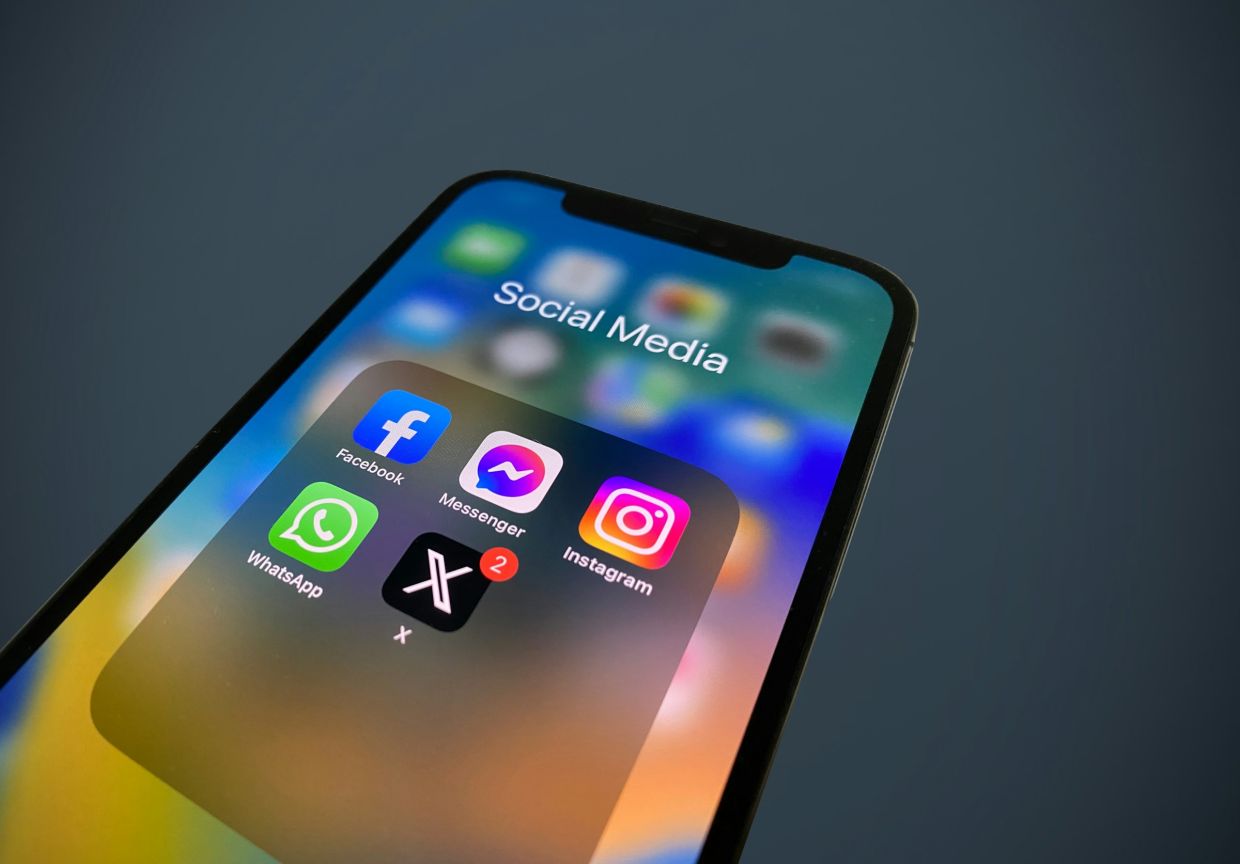
Mexico is moving toward regulating how children and adolescents use social media platforms, joining a growing global movement to protect young users from the documented harms of digital platforms. President Claudia Sheinbaum has been systematically addressing the issue through public forums, inviting academics and experts to participate in her regular press conferences to examine the mounting evidence of social media's negative effects on developing minds. This initiative reflects broader international concern about platforms such as Instagram and TikTok, which are designed with engagement algorithms that critics argue exploit adolescent psychology and can trigger mental health challenges.
The Mexican government's approach emphasises inclusive dialogue rather than top-down regulation. Sheinbaum has been deliberate in framing this as a societal conversation rather than executive action, explicitly stating that she wants all political parties and civil society organisations to contribute to shaping any future policy. By August 17, she articulated her vision that discussions should focus on how social media content and algorithmic design might be regulated to protect minors, while ensuring the government itself does not become the arbiter of what constitutes acceptable online speech. This distinction between government regulation and private-sector responsibility has become critical in democracies worldwide as they grapple with censorship concerns.
One of the most concrete proposals involves banning mobile phones from classrooms nationwide by the end of the month. Several Mexican states have already implemented such measures, demonstrating that phased implementation is feasible. Sheinbaum plans to engage elementary and secondary school teachers in consultations about the practical implications and best approaches for such restrictions. Educators occupy a unique vantage point in this debate, as they witness firsthand how device distraction affects student concentration and classroom dynamics. Their input could prove valuable in shaping policies that are both educationally sound and enforceable across Mexico's diverse school systems.
The conversation around social media regulation has intensified globally as evidence mounts about the cognitive and emotional toll on young users. Platforms are under scrutiny for employing addictive design patterns, exposing minors to cyberbullying, enabling contact with predators, and contributing to rising rates of anxiety and depression among teenagers. Unlike traditional media, social media algorithms are opaque to users and parents alike, creating asymmetric information where platform companies possess detailed knowledge of persuasion techniques while families remain largely unaware of how their children are being targeted. This information imbalance has become a central concern driving regulatory efforts.
Several countries have already moved forward with binding restrictions. Australia implemented legislation in December 2025 prohibiting users under 16 from maintaining accounts on major platforms including Instagram, TikTok, Facebook, YouTube and X. France pursued a similar approach with a ban for users under 15, though its constitutional council struck down the law last week, raising questions about whether age-restriction measures can survive legal challenges in democracies with strong free speech protections. Brazil has adopted a different regulatory framework, requiring platforms to implement age verification systems, establish safer default settings that limit algorithmic amplification, and provide robust parental monitoring tools. These varying approaches reflect the tension between protection and liberty that lawmakers must navigate.
Mexico's deliberative process may ultimately prove more durable than unilateral executive action. By building consensus among educators, parents, politicians across the spectrum, and civil society organisations, any resulting framework would carry greater legitimacy and public support. Sheinbaum's emphasis on preventing government censorship while still addressing algorithmic harms suggests Mexico may pursue approaches similar to Brazil's, focused on transparency requirements and user protections rather than blanket age bans. Such measures could include mandatory labelling of addictive design features, algorithmic transparency reports, and tools enabling parental oversight.
The implications for Southeast Asia are significant. Malaysia, Indonesia, the Philippines and other regional nations face similar challenges with high social media penetration among youth populations. The region's younger demographic means millions of children are exposed to platforms designed to maximise engagement regardless of developmental impact. If Mexico establishes a workable model through its consultative process, it could provide a template for other democracies in the region seeking to balance innovation, free expression and child protection. The regulatory approaches being tested globally will likely inform future policymaking across the developing world.
Parent advocacy groups and mental health organisations have generally supported stronger regulation, citing research linking heavy social media use to increased rates of depression, anxiety, sleep disorders and body image concerns among adolescents. However, technology companies argue that age restrictions are ineffective without robust identity verification, which raises privacy concerns. They contend that education about responsible use is more appropriate than outright bans. This disagreement reflects a fundamental debate about whether regulation should focus on prevention or mitigation of harms.
Mexico's engagement of experts like Jonathan Haidt, a social psychologist whose research documents social media's psychological effects on developing brains, signals a commitment to evidence-based policymaking. Haidt's work emphasises that adolescence is a critical developmental window when exposure to social comparison, cyberbullying and addictive stimuli may cause disproportionate harm. His presence in these discussions suggests Mexico is grounding its regulatory exploration in peer-reviewed science rather than moral panic.
The timeline for Mexico's regulatory decisions remains fluid. Sheinbaum has been explicit that this will not become law simply because the president favours it, reflecting awareness that sustainable policy requires broader buy-in. Discussions with teachers by month's end represent the next milestone in a process that could take months or years to yield concrete proposals. Whether Mexico ultimately adopts age restrictions, algorithmic transparency requirements, classroom phone bans, or some combination depends on the outcomes of these ongoing consultations. What is clear is that the question is no longer whether democracies should regulate social media's impact on youth, but how to do so in ways that protect children while respecting free expression and innovation.

