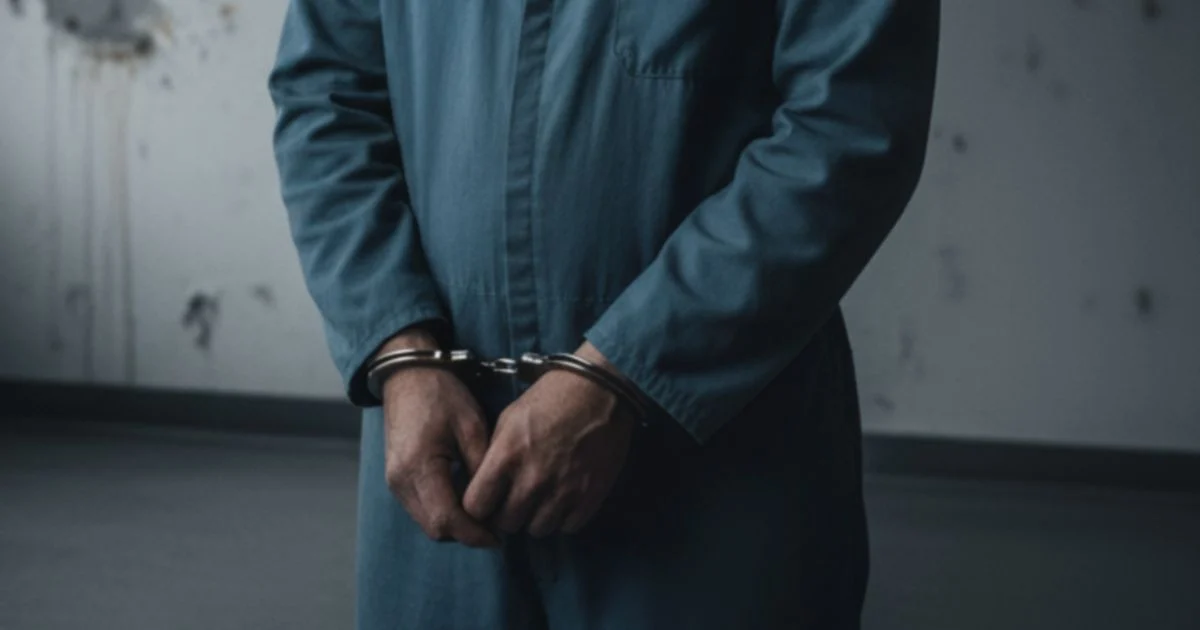
Authorities in Mexico have taken a suspect into custody following an investigation into the disappearance of valuable bronze sculptures from a church courtyard in Mexico City's heritage quarter. The arrest, made on Wednesday, represents progress in a case involving artworks of significant cultural importance, including pieces attributed to the acclaimed surrealist Leonora Carrington.
The theft targeted a collection of bronze sculptures displayed in the open courtyard of a religious institution located within one of Mexico City's most historically significant neighborhoods. The inclusion of Carrington's work in the stolen items has drawn considerable attention, given her standing as a pivotal figure in twentieth-century surrealist art. Carrington, a British-Mexican artist who spent much of her creative life in Mexico, is celebrated internationally for her distinctive visual language and profound influence on contemporary art movements.
Leonora Carrington's connection to Mexican cultural heritage remains strong, particularly through her artistic legacy and her chosen residence in the country during her later years. Her works command significant attention from collectors and cultural institutions worldwide, making any theft of her creations a matter of considerable concern for the art world and heritage preservation communities. The recovery of her stolen pieces therefore carries weight beyond mere monetary value, touching on questions of cultural stewardship and artistic patrimony.
The location of the theft in a church setting within a historic district underscores vulnerabilities in how public and semi-public spaces protect valuable artworks, particularly in urban centers where security infrastructure may be uneven. Many churches and religious institutions throughout Latin America face ongoing challenges in safeguarding their artistic collections against theft, particularly when pieces are displayed in accessible outdoor locations. This case illustrates the tension between making art publicly visible and creating appropriate security measures to prevent loss.
Mexico City's historic districts contain numerous cultural treasures that draw both legitimate visitors and those seeking to exploit inadequate security systems. The capital's prominence as a global art market hub means that stolen pieces may enter illicit trading networks with surprising efficiency. The apprehension of a suspect suggests that investigators were able to trace either the theft itself or subsequent attempts to move or sell the stolen artworks through networks monitored by authorities.
The investigation into this theft carries implications for art institutions throughout Mexico and the broader region. Southeast Asian countries, including Malaysia, maintain extensive collections of valuable artworks in public and private institutions, many facing comparable security challenges. The Mexican case provides a cautionary example of how criminal networks exploit vulnerabilities in heritage site protection, a concern that resonates across borders and cultural contexts.
Authorities have not yet disclosed whether all stolen sculptures have been recovered or remain missing. The recovery of cultural artifacts depends significantly on swift police action following a theft, as items may be transported across jurisdictions or enter underground markets where recovery becomes exponentially more difficult. The timeliness of this arrest may prove crucial in determining whether the full collection can be restored to its rightful location.
Leonora Carrington's artistic legacy extends beyond individual pieces to encompass broader conversations about surrealism's influence on Latin American culture and the role of immigrant artists in shaping national artistic traditions. Her bronzework, in particular, demonstrates how her distinctive imaginative vision translated across different media and dimensional forms. The loss of such pieces, even temporarily, diminishes public access to this important cultural heritage.
The case raises broader questions about institutional responsibility for artworks in public spaces. Religious institutions, many of which operate with limited resources, must balance their missions of openness and community access with the practical necessities of security. Museums and cultural organizations throughout the region have increasingly invested in enhanced security protocols, closed-circuit monitoring, and strategic placement of collections to minimize theft risk while maintaining public engagement.
As investigations continue, authorities will likely examine whether the stolen pieces were targeted specifically or represented opportunistic theft. The presence of work by an internationally renowned artist among the stolen items suggests either sophisticated knowledge of the collection's contents or fortunate timing for thieves seeking any valuable bronze sculptures. Understanding the motivation behind the theft helps authorities anticipate whether recovery is likely and whether organized networks were involved.
The broader context of art theft in Mexico reflects both the country's rich cultural heritage and the persistent challenges of protecting that heritage amid economic pressures that sometimes incentivize criminal activity. International cooperation between law enforcement agencies, combined with coordinated efforts by museums and collectors to document and track stolen artworks, has proven increasingly effective in recent years at preventing lost cultural treasures from disappearing permanently into private collections or melting pots.
For the art world and heritage preservation communities, successful resolution of this case—ideally with full recovery of stolen pieces—would represent an important victory in the ongoing struggle to protect cultural patrimony. The arrest announced this week suggests that Mexican authorities are pursuing the matter with appropriate seriousness and investigative resources.

