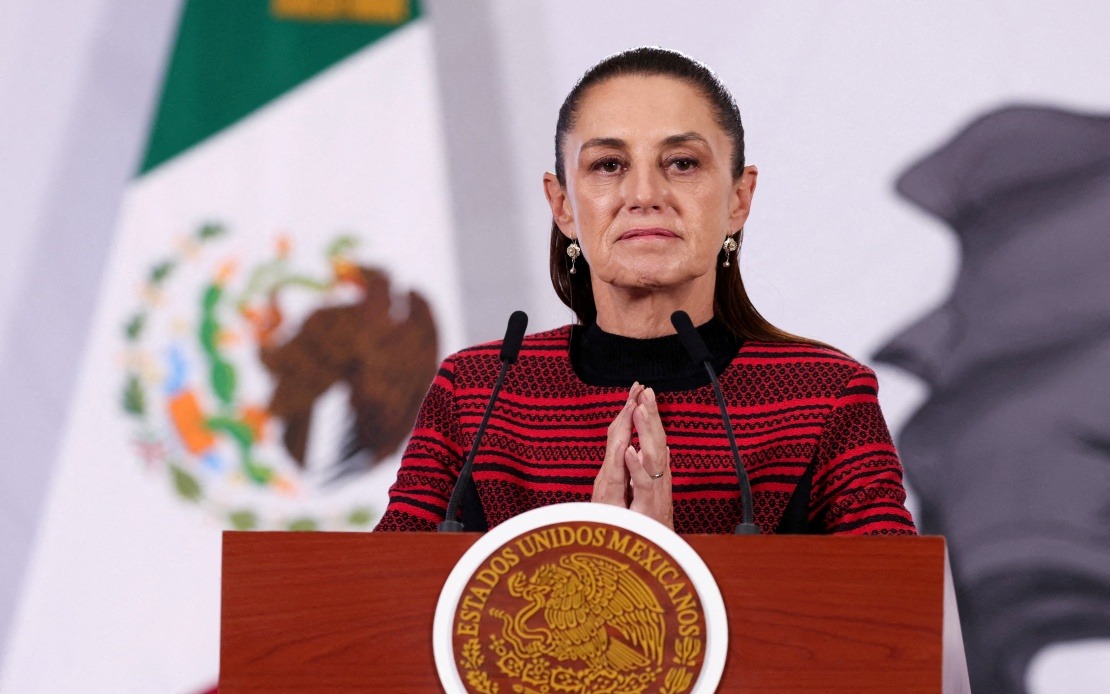
In an unexpected diplomatic development, Mexican President Claudia Sheinbaum has accepted a personal invitation from United States President Donald Trump to attend Sunday's World Cup final between Argentina and Spain at East Rutherford in New Jersey. The invitation marks a notable moment in bilateral relations at a time when Mexico and the US face significant disagreements on trade and security matters. Sheinbaum disclosed the arrangement to journalists on Friday, emphasising that the invitation came directly from Trump himself, underscoring the personal nature of the outreach.
The Mexican leader's decision to travel to the final represents a careful diplomatic gesture during a period of strain between the neighbouring nations. Relations have been fraught with tensions centred on contentious trade policies and cross-border security concerns that have dominated the bilateral agenda. By accepting Trump's invitation, Sheinbaum appears willing to engage in high-level engagement despite these underlying disagreements, suggesting a recognition that maintaining diplomatic channels remains important even amid substantive policy disputes.
Canada's involvement in the gesture adds another layer to the diplomatic significance of the World Cup final gathering. Canadian Prime Minister Mark Carney will also attend the match, making the occasion a summit of sorts among the three nations co-hosting the tournament. This convergence of leadership from all three host countries at the final suggests a coordinated effort to demonstrate unity and cooperation on the world's grandest sporting stage, regardless of their internal differences.
Sheinbaum's attendance at the final carries particular symbolic weight given her earlier decision to skip the World Cup opening ceremony at Mexico's Azteca Stadium in June. Rather than occupying the seat herself, she gifted her ticket to an indigenous woman passionate about football, a gesture that reflected her priorities and values. The contrast between her initial disengagement from the tournament's opening and her last-minute acceptance to attend the climactic match illustrates the fluid nature of diplomatic calculations and the importance Trump places on securing her presence.
This represents only the second in-person meeting between Sheinbaum and Trump since her presidency began. Their sole previous encounter took place in December at the World Cup draw ceremony held in Washington, indicating that opportunities for direct engagement between the two leaders remain relatively limited. The World Cup final attendance provides another valuable occasion for the two executives to interact, potentially addressing some of the contentious issues that have strained bilateral relations in recent months.
To facilitate her attendance at the final, Sheinbaum had to rearrange her official schedule significantly. She had been conducting meetings and activities in Quintana Roo, a state in Mexico's southeast, but modified these plans to permit travel to New Jersey for the match. Such schedule changes underscore the importance she attaches to the invitation and suggest that both the Mexican and American administrations view this meeting as diplomatically worthwhile despite the logistical disruption.
The tournament itself has become something of a family affair for participating nations' leadership. Spain's royal family is expected to make a strong showing at the final, with King Felipe VI, Queen Letizia, Crown Princess Leonor, and Infanta Sofía all planning to attend. Their presence demonstrates the World Cup's capacity to draw the highest levels of government and state figures, transforming a sporting event into a venue for international diplomacy and ceremonial engagement.
Argentina's President Javier Milei has taken a notably different approach to attending the final, choosing to remain away from the stadium due to personal superstitious beliefs. These ritualistic practices, known colloquially in Argentine culture, reflect deeply held cultural and personal convictions that supersede the diplomatic implications of non-attendance. Milei's decision illustrates how individual leadership perspectives can diverge significantly on matters of international engagement, even when their nation has reached football's ultimate championship.
For Malaysian and Southeast Asian observers, the episode demonstrates how major sporting events like the World Cup transcend their athletic dimensions to become platforms for bilateral diplomacy and international relations. The convergence of North American leadership at the final in East Rutherford exemplifies how governments strategically leverage such high-profile occasions to engage with peers, manage relationships, and signal priorities to domestic and international audiences. The calculated nature of Sheinbaum's attendance—despite earlier skipping the opening ceremony—reflects the complex calculations that national leaders must navigate between symbolic gestures, diplomatic necessity, and competing commitments. Understanding these dynamics provides insight into how international relations function beyond formal state visits and bilateral agreements, often materialising through seemingly casual encounters at world-class sporting events.

