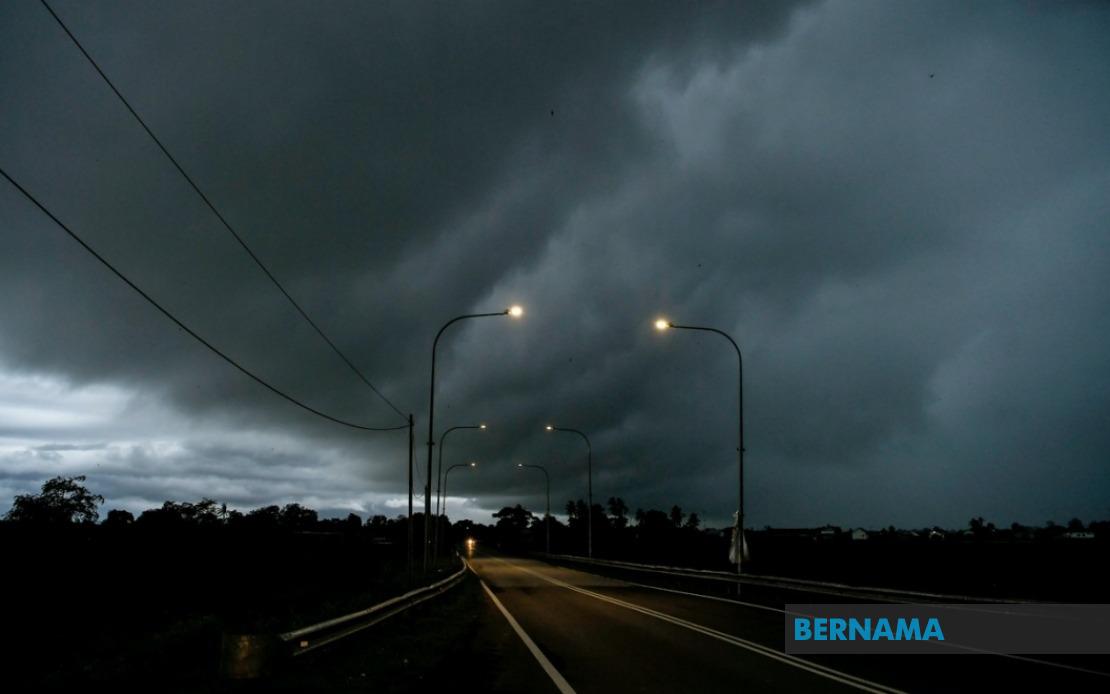
The Malaysian Meteorological Department has alerted residents across multiple regions to prepare for severe weather conditions, issuing a thunderstorm warning that remains in effect until midday. The advisory encompasses a substantial portion of the country, from the northern states down through the central regions and across to the eastern Malaysian states of Sarawak and the Federal Territory of Labuan.
In Peninsular Malaysia's northwest, the warning covers a sprawling area in Kedah that includes the districts of Kuala Muda, Baling, Kulim and Bandar Baharu. The entire state of Penang is also under alert, meaning residents across both the island and mainland portions should expect volatile atmospheric conditions. Given Penang's population density and critical transport infrastructure, including the Penang Bridge and Second Crossing, such weather warnings carry significant implications for daily commuters and supply chains linking the state to the rest of the peninsula.
Peering deeper into the central peninsula, Perak's coastal and interior regions face comparable threats. The meteorological department identified five separate areas requiring heightened vigilance: Kerian, Larut, Matang and Selama, Manjung, and Bagan Datuk. These districts encompass both rural agricultural zones and industrial areas, where sudden heavy rainfall can disrupt operations and pose safety hazards. Pahang's Rompin district, located on the east coast, is similarly prepared for storm conditions during the same window.
The southern peninsula presents another cluster of affected areas. Negeri Sembilan's Jempol and Tampin districts, both historically vulnerable to flash flooding during heavy downpours, feature prominently in the warning. The entire state of Melaka, already prone to water-related disruptions in certain precincts, falls within the alert zone. Johor, Malaysia's southernmost state, faces the broadest exposure, with six districts mentioned: Tangkak, Segamat, Muar, Kulai, Kota Tinggi and Johor Bahru. This geographic spread underscores the extent of atmospheric instability anticipated across the nation's industrial and commercial heartland.
Eastern Malaysia experiences its own share of the warning system's reach. In Sarawak, the Bintulu Division districts of Tatau and Bintulu are expected to face thunderstorms and accompanying hazards. Meanwhile, the Miri Division—which encompasses the divisions of Subis, Miri and Marudi—extends the alert to Sarawak's northern territories. These regions, while more accustomed to equatorial weather patterns, still require public vigilance, particularly in areas where infrastructure and transportation networks may be disrupted by heavy precipitation.
The Federal Territory of Labuan, situated off the coast of Sabah, also appears on the meteorological department's list of affected zones. The island territory, while compact, hosts significant maritime and petrochemical operations that could be impacted by severe weather and strong winds accompanying the thunderstorms. Shipping activities and offshore installations require advance awareness of such conditions to ensure worker safety and operational continuity.
MetMalaysia's advisory specifically mentions three concurrent weather phenomena residents should anticipate: thunderstorms themselves, heavy rainfall, and strong winds. This combination creates a compound hazard profile that extends beyond simple precipitation concerns. Strong gusts can topple temporary structures, damage power lines, and create dangerous conditions for road users, particularly those operating high-sided vehicles or motorcycles. Heavy rain on saturated ground poses flash-flood risks in drainage-prone areas, while thunderstorms themselves present electrocution hazards to those caught outdoors.
The limitation of this warning to the noon period suggests meteorologists believe the atmospheric instability is expected to dissipate after midday, likely as heating patterns shift and the system moves regionally. However, residents should recognize that such forecasts, while increasingly sophisticated, retain inherent uncertainty, and conditions can occasionally persist longer or intensify beyond initial projections.
Public authorities and residents are advised to maintain active monitoring of MetMalaysia's official communication channels throughout the morning hours. The department's recommendations extend beyond passive awareness—the explicit suggestion to remain alert to weather changes implies residents should take proactive precautions such as securing loose outdoor items, ensuring drainage systems are clear, and avoiding flood-prone routes during peak rainfall periods. For those engaged in outdoor work or activities, the warning effectively recommends rescheduling non-essential tasks until conditions stabilize.
This widespread alert demonstrates the meteorological department's commitment to disseminating timely information that affects millions across the country simultaneously. The geographic breadth of the warning reflects the scale and complexity of weather systems affecting tropical Malaysia, where conditions can shift rapidly and impact both urban centers and remote districts with equal force. Businesses, transportation operators, and emergency management agencies typically activate contingency protocols upon receiving such advisories, positioning personnel and resources to respond swiftly should actual hazardous conditions materialize.

