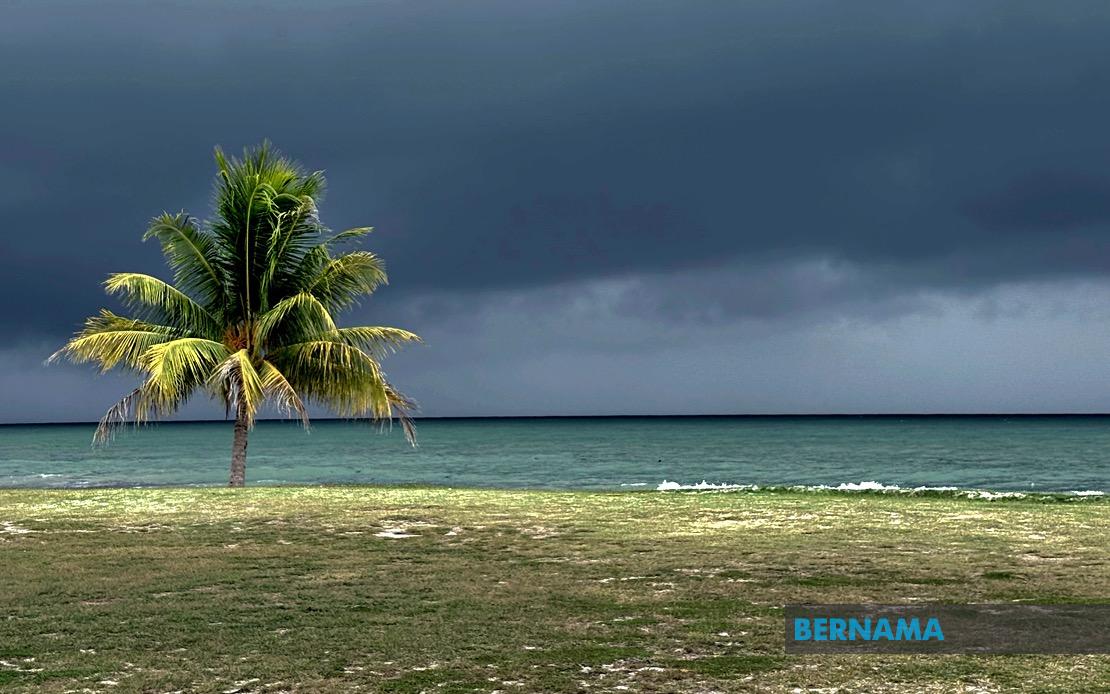
The Malaysian Meteorological Department has warned of dangerous weather conditions expected to sweep across multiple regions of Malaysia, with thunderstorms, heavy downpours, and powerful winds affecting five states through the evening hours. The alert, issued on June 25, remains in effect until 11 pm, requiring residents in affected areas to remain cautious and take necessary precautions during the volatile weather period.
On Peninsular Malaysia, three states are experiencing the worst of the conditions. Kelantan faces the most extensive coverage, with alerts spanning Kota Bharu, Bachok, Machang, and Pasir Puteh. The east coast state, already prone to monsoon effects, faces compounded risks from the sudden atmospheric disturbance. In neighbouring Terengganu, the warning focuses on Kemaman, a district that regularly contends with tropical weather volatility. Pahang, Malaysia's largest state, also falls under the alert zone, with four districts—Jerantut, Temerloh, Maran, and Kuantan—bracing for the severe conditions.
The situation extends beyond the peninsula to East Malaysia, where both Sarawak and Sabah have received similar precautionary notices. In Sarawak, Limbang's Lawas district is under alert, a region that sits strategically along the state's northern border. Sabah faces a broader geographic spread of the warning, affecting multiple zones across the state. The Interior region faces the alert in Nabawan and Keningau, mountainous areas where heavy rain creates particular flashflood risks. The West Coast division is warned for Ranau, while the Sandakan division deals with alerts across Tongod, Telupid, Beluran, and Sandakan town itself.
The meteorological authority's decision to issue separate alerts for multiple districts reflects the precision of modern weather forecasting in Malaysia. Rather than blanket warnings for entire states, MetMalaysia now tailors its advisories to specific geographic zones, allowing residents and authorities to focus preparation efforts efficiently. This targeted approach acknowledges that thunderstorm cells can be highly localized, affecting one district intensely while neighbouring areas remain relatively unscathed.
Thunderstorms accompanied by heavy rain pose multifaceted challenges across Malaysia. Beyond the immediate dangers of lightning strikes and flooding, such conditions disrupt transportation networks, affect business operations, and create hazards for outdoor activities. In commercial fishing communities along coastal districts like Kemaman and Sandakan, sudden severe weather can threaten vessels at sea. Agricultural regions face crop damage risks, particularly during sensitive growing phases.
For residents in the warned areas, the advisory carries practical implications for evening planning. Commuters should consider leaving workplaces earlier to avoid driving through flooded roads or areas of reduced visibility. Outdoor events scheduled for the evening should be postponed or relocated indoors. Construction sites and outdoor maintenance work should halt operations until conditions stabilize. Parents should exercise caution regarding children's outdoor activities, and anyone engaged in maritime pursuits should strictly adhere to coastal warnings.
The geographical dispersion of this warning—affecting East and West coasts simultaneously—suggests a broad atmospheric pressure system rather than isolated thunderstorm activity. This pattern indicates more organized weather formation, potentially from convergence zones where different air masses meet. Such conditions tend to produce more sustained and severe rainfall than random isolated storms, increasing flooding risks in low-lying areas and narrow valleys common across Malaysian terrain.
MetMalaysia's evening deadline for the alert suggests meteorologists expect the system to weaken or move beyond the warned zones after 11 pm. However, residents should remain attentive to updated weather information, as atmospheric conditions can shift suddenly. The department typically updates its alerts every few hours during active weather situations, and those in affected areas should monitor official channels for any extension or intensification of the warning.
Preparedness remains the most effective response to such alerts. Households in warned districts should ensure drainage systems are clear, secure loose outdoor items, keep flashlights and emergency supplies accessible, and charge electronic devices. Those in flood-prone areas should consider moving essential documents and valuables to higher ground preemptively. Drivers should avoid flooded roads—a critical reminder given that many Malaysian flood fatalities occur due to vehicles attempting to cross water-covered passages.
The simultaneous warnings across Peninsular and East Malaysia underscore the complex atmospheric dynamics that affect the region. Tropical monsoon patterns, localized sea breeze convergence, and orographic effects from mountainous terrain create conditions where severe weather can develop with limited warning. MetMalaysia's alert system represents decades of meteorological observation and modern satellite monitoring, providing crucial lead time for public preparation. For Malaysian residents accustomed to tropical weather, such evening thunderstorm alerts are familiar occurrences, yet each warning deserves serious consideration given the potential for sudden, dangerous conditions.

